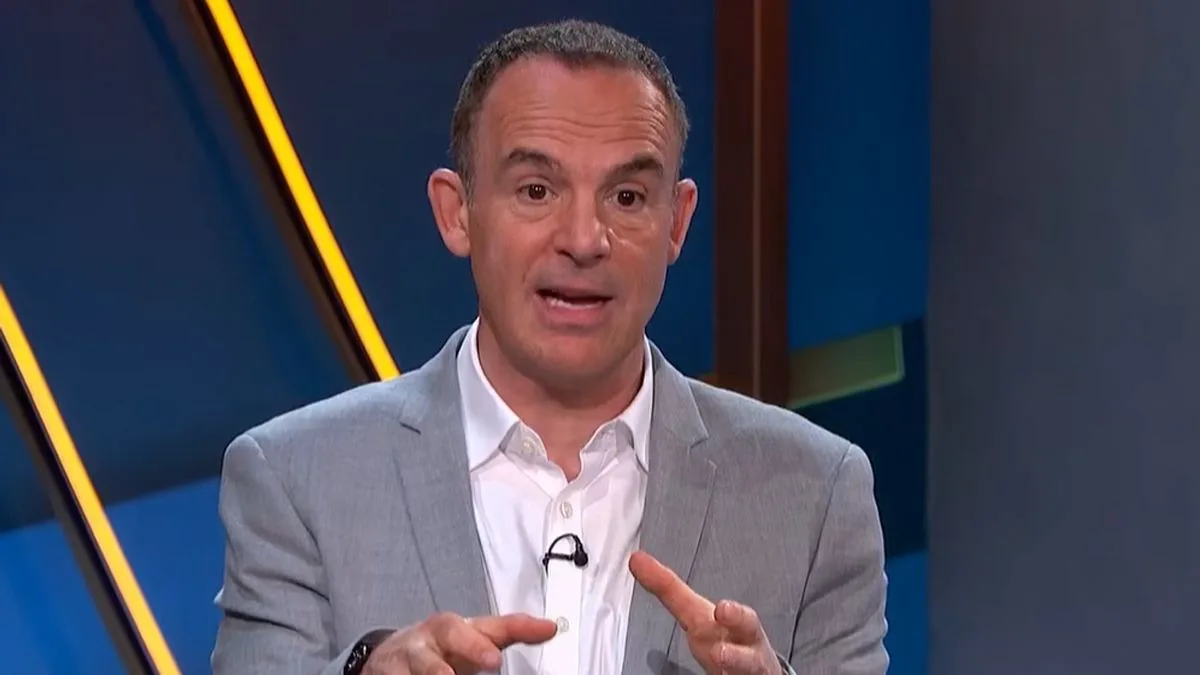
Financial expert Martin Lewis has delivered an urgent caution to individuals who have transitioned from Tax Credits to Universal Credit, emphasizing they must not automatically assume continued eligibility for free NHS prescriptions and dental treatments.
The Critical Income Threshold Change
During a recent broadcast of his Martin Lewis Money Show Live on ITV, the founder of MoneySavingExpert.com detailed how the income limits for qualifying for these vital health benefits have been substantially reduced under the Universal Credit system. This significant alteration has led to a concerning increase in fines being issued to people who mistakenly claim these services without proper entitlement.
Understanding the Financial Parameters
Under the previous Tax Credits regime, the earnings limit for accessing free prescriptions and dental care stood at £15,276 before deductions for tax and National Insurance. According to MoneySavingExpert calculations, this equated to approximately £1,210 per month or £14,520 annually after these mandatory contributions were accounted for.
However, the landscape has dramatically shifted for Universal Credit claimants. The income threshold now rests at just £435 per month for most recipients. For those whose Universal Credit claim includes a child element or a component for limited capability for work, the threshold is slightly higher at £935 monthly. These figures translate to roughly £5,220 or £11,220 per year respectively, representing a stark reduction in the qualifying income level.
A Spike in Unintentional Penalties
Martin Lewis highlighted that the cessation of Tax Credits in April 2025, with all claims being systematically migrated to Universal Credit, has directly resulted in a surge of penalty notices. Individuals are facing fines of up to £100 for incorrectly claiming free NHS prescriptions and dental treatments, often without realizing their eligibility status has changed.
"If you move from Tax Credits to Universal Credit, do not assume you get free prescriptions, in England that is, and dental," Lewis explicitly warned. "The Universal Credit income threshold for these is lower than under Tax Credits."
The Assessment Period Discrepancy
Lewis further explained a crucial administrative difference that compounds the confusion. Universal Credit assessments are conducted on a monthly basis, whereas Tax Credits operated under an annual assessment framework. This fundamental shift in how income is evaluated can unexpectedly alter an individual's benefit entitlements from one month to the next.
"Many who were on Tax Credits, they get to the box at the dentist or prescriptions, and they tick the Tax Credits, Jobseeker’s Allowance or Universal Credit boxes," Lewis described. "Then they get sent a letter saying ‘can you check you’re really eligible’ because they don’t realise the income threshold is different. They don’t do that and so there is an up to £100 fine for those people - but they don’t realise they’re doing anything wrong. There has been a huge increase in fines on this."
Broader Benefit Transition Context
Universal Credit is not merely replacing Tax Credits; it is also superseding several other legacy benefits including Income-based Jobseeker’s Allowance, Income Support, Income-related Employment and Support Allowance, and Housing Benefit. This comprehensive overhaul means millions of claimants are navigating new rules and thresholds.
While most old benefits are being phased out, there are limited exceptions. For instance, individuals residing in supported or temporary accommodation may continue to claim Housing Benefit under specific circumstances. However, for the vast majority, understanding the precise parameters of Universal Credit has become essential to avoid financial penalties and ensure access to necessary healthcare services.
The warning from Martin Lewis serves as a critical reminder for all affected individuals to proactively verify their eligibility status before claiming free NHS prescriptions or dental treatments, as assumptions based on previous benefit systems could prove financially costly.




