
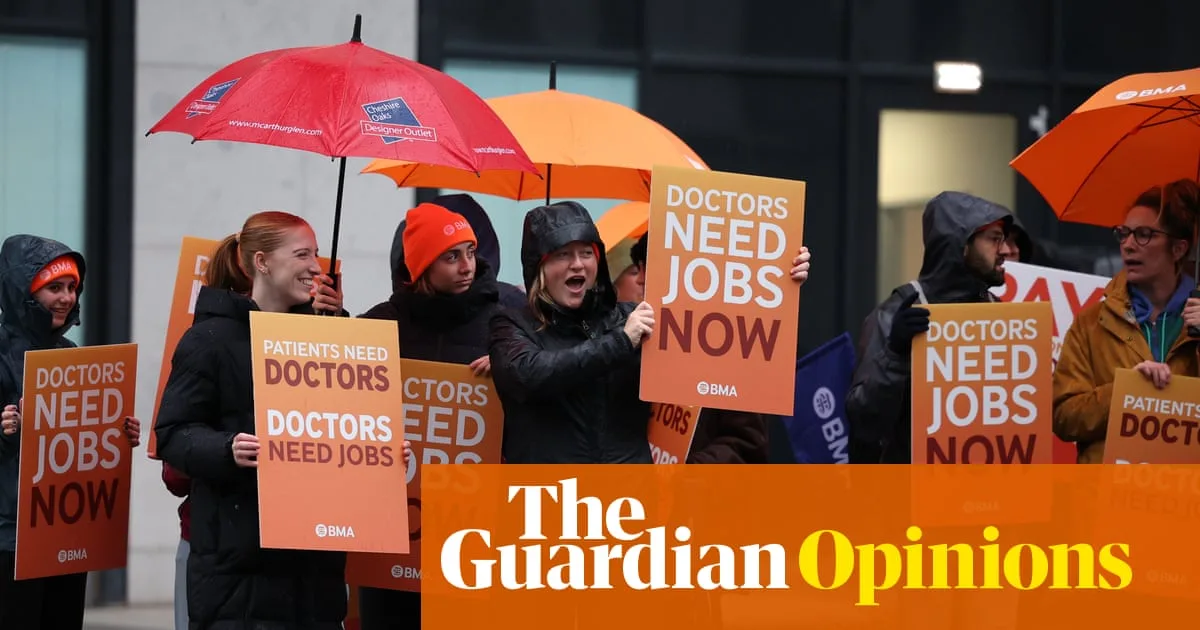
A recent poll commissioned by the Department of Health and conducted by Savanta has sparked controversy after it emerged that only partial results were initially reported. The survey, which asked doctors about their views on the latest strike by resident doctors, found that 69% supported the action, with just 12% opposed. However, these figures were not included in a Times story on 14 November, which instead highlighted a different question about whether the strike should be called off under certain conditions.
The Times reported that most junior doctors did not support the strike, citing the poll. But the full data, published six days later following a complaint to the British Polling Council, revealed a starkly different picture. The Department of Health, which commissioned the poll, had briefed the Times only on the results of question 10, which asked about potential compromises, while withholding the more direct question 9 on support for the strike.
Peter Kellner, a former chairman of YouGov and a founder of the British Polling Council, criticised the department's actions as a distortion of facts. He called for transparency, asking who decided to brief the Times selectively and whether any codes of conduct were broken. The incident raises broader concerns about how government departments handle polling data, especially when it is used to shape public perception.
Kellner noted that while independent agencies like the Office for National Statistics present data comprehensively, private polling firms are often used for government research, with results sometimes kept confidential or selectively released. He argued that such practices undermine democratic accountability and called for a review of how government-commissioned polls are published.




