Understanding Kyphosis: The Medical Term for a Curved Back
As individuals age, it is common to observe alterations in posture, such as rounded shoulders, a forward-leaning head, and a curving back. Often referred to colloquially as a "hunchback" or "roundback," the clinical designation for this spinal curvature is kyphosis. When this curve exceeds the typical range, specifically greater than 40 degrees, it is classified as hyperkyphosis. In more severe instances, this condition can result in discomfort, diminished mobility, impaired physical function, and a reduced quality of life.
Primary Causes of a Curved Back
A healthy spine naturally exhibits an elongated s-shape, making a slight curve in the upper back entirely normal. However, when this curve becomes pronounced and fixed, preventing an individual from standing upright even with effort, it may indicate an underlying issue.
One prevalent cause is poor posture, known as postural kyphosis. This type typically develops gradually due to muscle imbalances, especially in younger people who spend extended periods hunched over desks, slouched in chairs, or looking down at mobile devices. Fortunately, postural kyphosis is often reversible with appropriate exercises, stretches, and heightened posture awareness.

In older adults, age-related kyphosis or hyperkyphosis is frequently observed. This is usually attributable to spinal wear and tear, including vertebral compression fractures—tiny cracks in the vertebrae. These fractures are commonly linked to osteoporosis, a condition that weakens bones with age, leading to structural changes in the spine rather than mere poor posture.
Distinguishing Between Types of Kyphosis
Signs of age-related hyperkyphosis include a persistent back curve despite attempts to stand straight, back pain or stiffness, and a loss of height exceeding 3-4 centimetres compared to peak adult height, which may indicate abnormal ageing.
Other causes encompass Scheuermann's kyphosis, often emerging during adolescence due to uneven spinal bone growth; congenital kyphosis, a rare condition present from birth; scoliosis, characterized by a sideways spinal curve; and lordosis, an excessive inward curve in the lower back. Additionally, arthritis, spinal injuries, or infections can contribute to a curved back.
When to Consult a Doctor
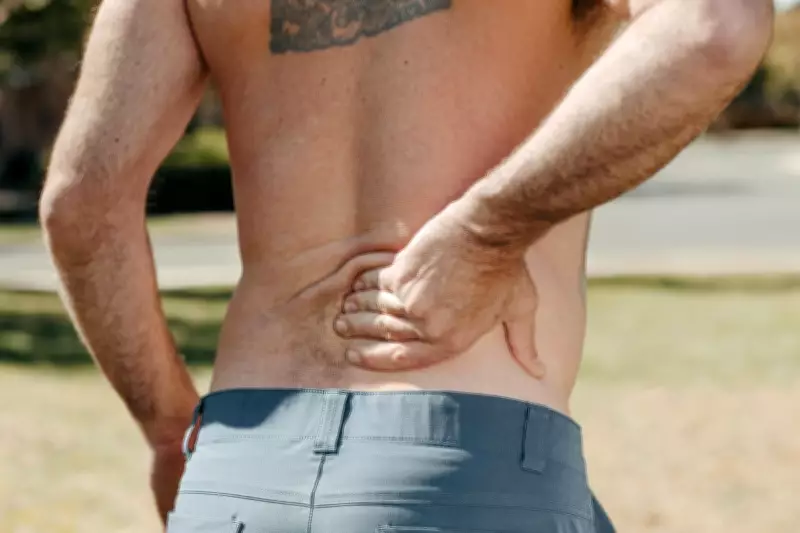
It is advisable to seek medical advice if you notice a developing curve, experience ongoing back pain, or have lost height over time. These symptoms can signal vertebral fractures, which may occur without obvious injury and are often painless. Notably, while one in five older adults has a vertebral fracture, up to two-thirds remain undiagnosed and untreated.
In Australia, guidelines from the Royal Australian College of General Practitioners and Healthy Bones Australia recommend a spine x-ray for individuals with kyphosis, height loss of 3 centimetres or more, or unexplained back pain.
Strategies to Reduce Risk
For younger or middle-aged individuals, establishing healthy habits is crucial. Prevention focuses on maintaining strong bones, active muscles, and proper posture. Key recommendations include:
- Engaging in regular resistance training, particularly targeting upper back muscles.
- Staying physically active with at least 150 minutes of exercise per week.
- Consuming adequate protein, calcium, and vitamin D to support bone and muscle health.
- Avoiding smoking and limiting alcohol intake to protect bone density and overall wellbeing.
Pay attention to posture by aligning your head over your shoulders and shoulders over your hips to minimize spinal strain.
Effective Exercises for Prevention and Management
Focus on exercises that strengthen muscles supporting upright posture, especially in the upper back and core, while enhancing mobility in the chest and shoulders. Prioritize extension-based movements that straighten the spine and pull shoulders back, as repeated forward-bending may exacerbate issues, particularly in those with osteoporosis or fractures.
Beneficial activities include:

- Back extensions, gently lifting the chest off the floor while lying face down.
- Resistance exercises for muscles between the shoulder blades.
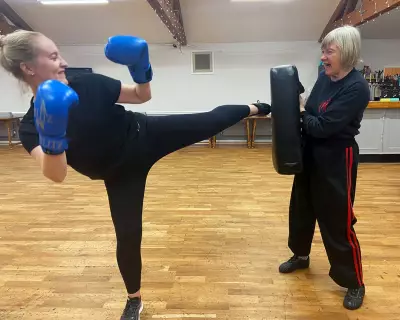
- Weight-bearing activities like brisk walking, jogging, stair climbing, or dancing to bolster bone strength.
- Stretching chest and hip flexors to improve posture and alleviate tightness.
Flexibility and balance training, such as yoga and pilates, can aid posture awareness and mobility, but muscle strengthening through weight lifting or resistance training is increasingly supported as essential for reducing spinal curvature and enhancing muscle and bone mass. Consult a health professional before starting any exercise program if kyphosis, osteoporosis, or vertebral fractures are suspected.
Can a Curved Back Be Reversed?
If kyphosis stems from poor posture and muscle weakness, reversal is possible. However, if caused by bone changes like vertebral fractures, full reversal is unlikely, though treatment can alleviate pain, improve function, and slow progression. Protecting posture is vital not only for appearance but also for maintaining strength, mobility, and independence with age.
This article is based on insights from Jakub Mesinovic, a Research Fellow at the Institute for Physical Activity and Nutrition, Deakin University, and David Scott, an Associate Professor and NHMRC Emerging Leadership Fellow at Deakin University. Originally published by The Conversation under a Creative Commons licence.