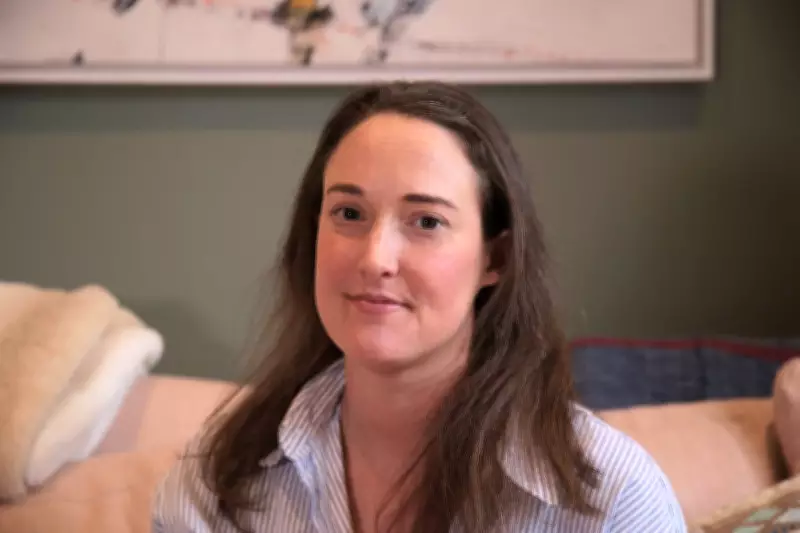
Kate Middleton's Crusade: Unmasking the Silent Crisis of Autoimmune Diseases
Kate Middleton, CEO and founder of The Wren Project, shares her harrowing journey with Victoria Young, highlighting the charity she established to fill the void in support after her diagnosis with a lifelong autoimmune illness. Her story underscores a broader, worrying lack of knowledge about conditions that primarily impact women.
A Life-Altering Diagnosis
Just after completing her A-levels and preparing for a gap year in Ghana, Kate Middleton visited her GP due to knee pain. Alert to potential underlying issues, her doctor referred her for a blood test. Middleton, regrettably going alone, received a shocking diagnosis: lupus, a chronic autoimmune disease where the immune system attacks healthy tissues, causing inflammation and damage to joints, skin, kidneys, heart, and lungs. Her travel plans vanished instantly, replaced by a leaflet as her sole guide. Her mother's research yielded grim predictions, including infertility and a 10-year life expectancy, plunging Middleton into despair.
The psychological toll was immense, she recalls. "I was very depressed and had the sense of 'I don't know who I am any more'. The person I wanted to be completely changed." Steroids managed symptoms but introduced complications, leading to secondary immunodeficiency, osteoporosis, rheumatoid arthritis, myositis, pernicious anaemia, and pericarditis.

Family Support and Medical Challenges
Middleton's family played a crucial role. Her mother researched top clinicians, while her sister intervened when doctors deemed her too unwell for university, securing her a place at Durham University to provide care. Despite these efforts, Middleton acknowledges her privilege. "I was very lucky that my GP referred me to a rheumatologist and so I was diagnosed very quickly," she says. However, she notes that the average diagnosis time is seven years, with many women dismissed due to symptoms like headaches or fatigue being labelled as "women's issues."
The Gender Disparity in Autoimmune Diseases
Autoimmune conditions affect around 7 million people in the UK, with women accounting for 70-80% of cases and being two- to four-times more likely to develop one than men. This gender imbalance contributes to the lack of research and understanding. Middleton explains, "Lots of the characteristics of autoimmune diseases in the early days can be put down to 'women's issues'... and women are being dismissed a lot because GPs know chronically little about this."
Mental Health Struggles and The Wren Project
Middleton's mental health deteriorated post-diagnosis, yet no medical practitioner inquired about it. This gap inspired The Wren Project, a charity offering free mental health support via video calls with trained volunteers. The model focuses on "deep listening" without offering solutions, aiming to reduce grief, loneliness, and helplessness. "We let people feel how they really feel, no gloss or shine without trying to make it better," she says. Shockingly, 62% of their clients report end-of-life thoughts, highlighting the desperate need for such services.
Daily Life and Ongoing Risks
Middleton's life remains dictated by her health, with frequent hospital appointments and constant uncertainty. "Every morning I wake up wondering if I am feeling this bad because I have a virus, or if the lupus is on the rise," she shares. Treatment decisions are fraught, as she balances side effects against disease progression, having faced severe infections like PCP pneumonia. "My approach to risk is very different to others. Covid was just another infection because I have lived that close to being seriously seriously ill for 20 years."
Hereditary Concerns and Research Gaps
With a family history of autoimmune conditions, Middleton worries about passing lupus to her children, aged two and 10 months. "Every day my daughter has a rash I am terrified," she admits. The lack of research leaves her in limbo, as most autoimmune diseases manifest around age 20. "It would be the most devastating moment of my life to realise I have passed it on. But this is why we need more research and understanding."

Through The Wren Project, volunteers continue to provide crucial listening support, addressing a critical need in a healthcare system that often overlooks the mental and emotional dimensions of chronic illness.