

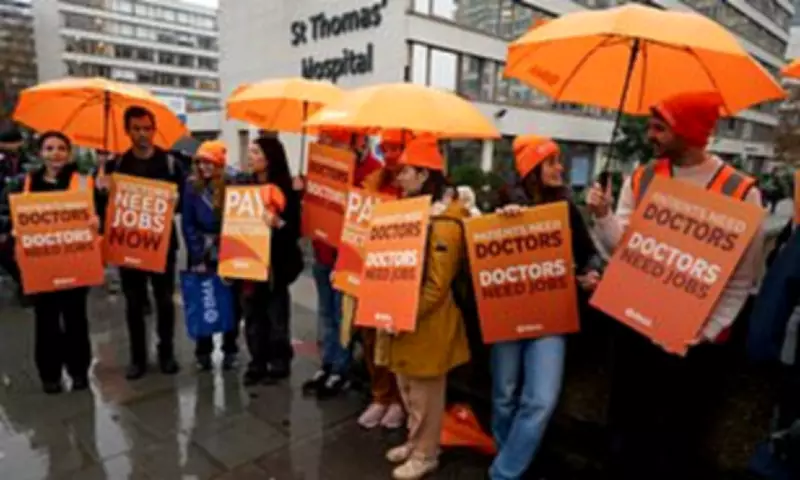
Junior Doctors' Strikes Cost NHS £3 Billion as Six-Day Walkout Begins
Hospitals across the United Kingdom are grappling with a staggering £3 billion financial burden due to ongoing junior doctors' strikes, as a fresh six-day walkout commences on Tuesday. This marks the 15th round of industrial action since 2023, with union members returning to picket lines in pursuit of a 26 per cent pay increase, on top of the 28.9 per cent rise they have already received over the past three years.
Financial Strain and Operational Disruption
Health chiefs are burning through approximately £50 million each day when medics walk out, as they are forced to cancel procedures and pay consultants up to £313 per hour to cover for their junior colleagues, now referred to as resident doctors. The cumulative £3 billion cost could have funded 1.5 million operations, 15 million outpatient appointments, or the salaries of 75,000 nurses for an entire year. Alternatively, this sum could have been allocated to construct three new hospitals from the ground up.
Tuesday's strike action begins at 7am and is scheduled to last for six consecutive days, timed to follow the extended Easter bank holiday weekend. NHS England has warned that this timing will place a significant strain on services, as officials brace for a surge in patients who deferred care during the break. Compounding the issue, many staff have booked annual leave to coincide with school holidays, further reducing the availability of cover.

Political and Union Standoff
Health Secretary Wes Streeting has launched a scathing critique of the British Medical Association (BMA), accusing the union of sapping the health service of vital funds. On Monday, he urged the BMA to call off the strike and prioritise the needs of patients and the country. Streeting emphasised that the walkout has been orchestrated to cause maximum disruption, with costs now spiralling into the billions.
At a time when everyone's feeling the pinch, this latest round of costly industrial action is the last thing the NHS—and the country—needs, Streeting stated. He highlighted that the government is providing the NHS with record funding, but the BMA's resident doctors committee is undermining these efforts through rash actions. The six-day strike alone is projected to cost well over £250 million, funds that could otherwise support an additional 1,000 training places.
Rejected Offers and Career Implications
Last month, the BMA rejected a proposed deal that would have increased resident doctors' pay by 35 per cent over the past three years and created thousands of specialty training positions to advance members' careers. Had this offer been accepted, some doctors could have earned more than £100,000 annually, while first-year graduates would have started on an average salary of £52,000.
Sir Jim Mackey, chief executive of NHS England, echoed these concerns, noting that the NHS has made real progress in reducing waiting times this year. The money we have to spend on managing this damaging and disruptive strike could and should be being ploughed into reforming patient care, he told The Times. Mackey also pointed out the non-financial toll, including the time, effort, and sacrifices made by other staff to provide cover and ensure patient safety during strikes.
Impact on Patient Care and Waiting Lists
An estimated 7.25 million routine treatments were awaiting completion at the end of January, affecting 6.13 million patients. Although this number has declined for three consecutive months, repeated industrial action hampers efforts to accelerate wait time reductions. This could potentially derail Labour's electoral pledge to treat 92 per cent of patients within 18 weeks of referral.
NHS England has acknowledged that this week's walkout will be difficult but has stressed that services remain operational. Patients are advised to continue attending A&E, dialling 999 or 111 as usual, and keeping scheduled appointments unless contacted otherwise. Keir Starmer has also weighed in, labelling the BMA's rejection of the government's pay offer as reckless.

Despite Streeting's disappointment over the BMA's decision to proceed with strikes, the union maintains that ministers must enhance their offer to resolve the dispute. As the picket lines form once again, the ongoing conflict between junior doctors and the government continues to exact a heavy financial and operational toll on the National Health Service.





