Julia Bradbury's Cancer Battle: Lifestyle Overhaul for Longevity
Julia Bradbury's Cancer Battle: Lifestyle Overhaul

Julia Bradbury's Cancer Battle: A Lifestyle Overhaul for Longevity

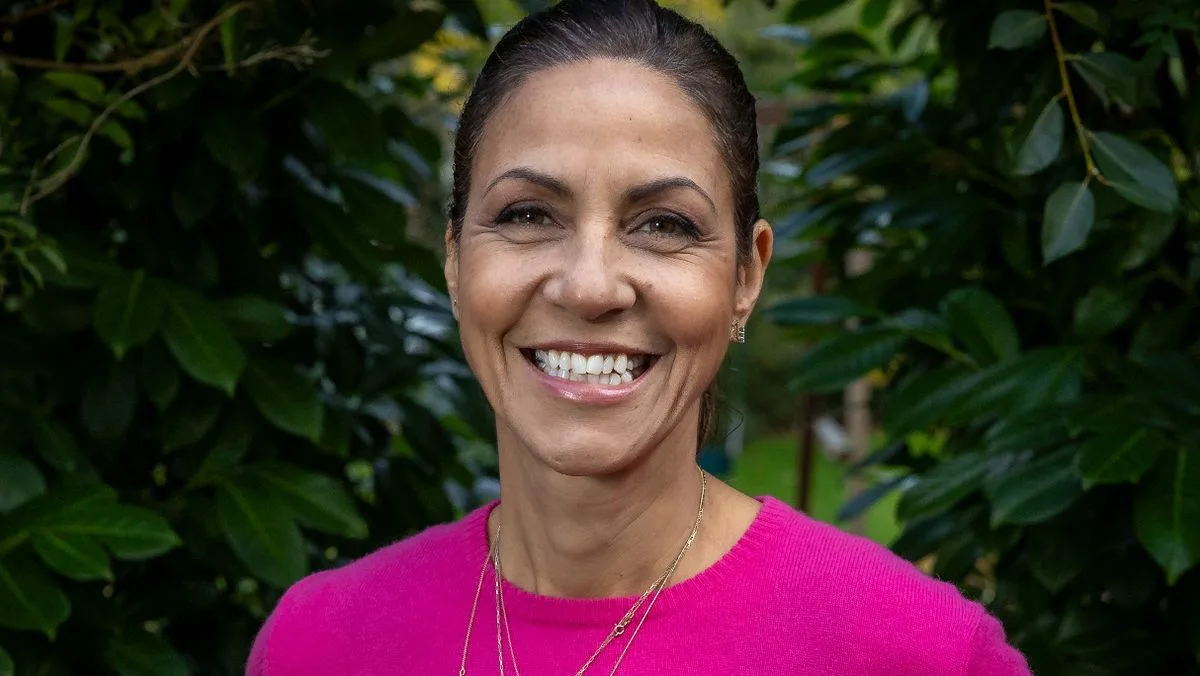
Julia Bradbury has revealed how she has meticulously fine-tuned her lifestyle to ensure she stays alive 'for as long as possible,' five years after being diagnosed with breast cancer. The TV presenter's life as a working mother-of-three was dramatically upended when, at age 51, doctors confirmed the discovery of a six-centimetre tumour on her left breast.

'I was terrified and sad, it was a very emotionally upsetting time,' she told The Times. 'It must have been very, very difficult for my family. I was in the eye of the storm and changed overnight to become the person I needed to be to get through this.'

Treatment and Immediate Changes

While arduous chemotherapy treatment wasn't required, Bradbury underwent a mastectomy to remove the affected breast. This prompted immediate dietary shifts, including giving up meat and sugar. 'I thought, right, I need to get stronger for this,' she recalled. 'I knew after the operation I needed to move and walk as quickly as possible in order to heal.'

Wide Pickt banner — collaborative shopping lists app for Telegram, phone mockup with grocery list

She emphasised the importance of blood circulation for wound healing and heart health post-anaesthesia. 'Getting blood pumping around a wound area is very, very important and your heart health also comes under attack when you have anaesthetics. In the moment it was instinct, but from that proactive period I was on a different path and didn’t come off it.'

Dietary Evolution and Exercise Regimen

Meat has since been reintroduced into her diet, but Bradbury insists on healthier, organic options rather than cheaper cuts. Reflecting on her past habits, she said, 'I used to live very much on convenience fast food because I was out and about filming all the time, eating at petrol stations, airports,' with a diet of cheap sandwiches and sweets.

'I was having sugar all day in crazy quantities but I’m naturally slim so I didn’t have the warning sign some people have of putting on weight,' she added. Beyond diet, Bradbury has incorporated regular exercise, outdoor walks, and consistent sleep patterns into her daily routine to stay fit and be a constant presence for her children: son Zephyr, 14, and twin daughters Xanthe and Zena, 11.

Advocacy for Genetic Testing

Bradbury, who admits she 'felt invincible' in her youth, now advocates for making polygenic risk score (PRS) and SNP testing available on the NHS. She has taken her own PRS test, calling it a life-saver for empowering women to predict breast cancer risks.

She told Instagram followers, 'When I was diagnosed with breast cancer, it changed my life. But it also made me ask more questions about why it happened—and what I could do to reduce the risk of it coming back.'

Explaining the test, she said, 'It’s a genetic test that looks at small variations (called SNPs) across your DNA to help assess your personal risk of developing breast cancer—or, in my case, a recurrence.' Her results showed a slightly higher genetic risk for recurrence, aiding in informed decisions about treatment and lifestyle changes.

Breast Cancer: Facts and Figures

Breast cancer is one of the most common cancers globally, affecting over two million women annually. In the UK, there are more than 55,000 new cases each year, with 11,500 deaths. In the US, it strikes 266,000 and kills 40,000 yearly.

What is breast cancer? It originates from a cancerous cell in a breast duct or lobule. 'Invasive' cancer has spread into surrounding tissue, while 'carcinoma in situ' remains confined. Most cases occur in those over 50, but younger women and, rarely, men can be affected.

Staging and grading indicate cancer size and spread, with stage 1 being earliest and stage 4 indicating metastasis. Cells are graded from low (slow growth) to high (fast-growing), with high-grade cancers more likely to recur.

Causes and symptoms include genetic factors, with the first symptom often a painless lump. Spread typically first occurs to lymph nodes in the armpit.

Diagnosis and treatment involve assessments like mammograms, biopsies, and further tests if spread is suspected. Treatments include surgery, chemotherapy, radiotherapy, and hormone therapy, often in combination.

Pickt after-article banner — collaborative shopping lists app with family illustration

Success rates are best with early diagnosis, aided by routine mammography for women aged 50-71. For more information, visit breastcancernow.org or call 0808 800 6000.

Bradbury concluded, 'I truly believe this kind of testing could save lives. It’s not just about diagnosing disease—it's about predicting risk, preventing cancer, and empowering women (and men!) with personalised information. We need to move towards preventative care, not just reactive care.'




