

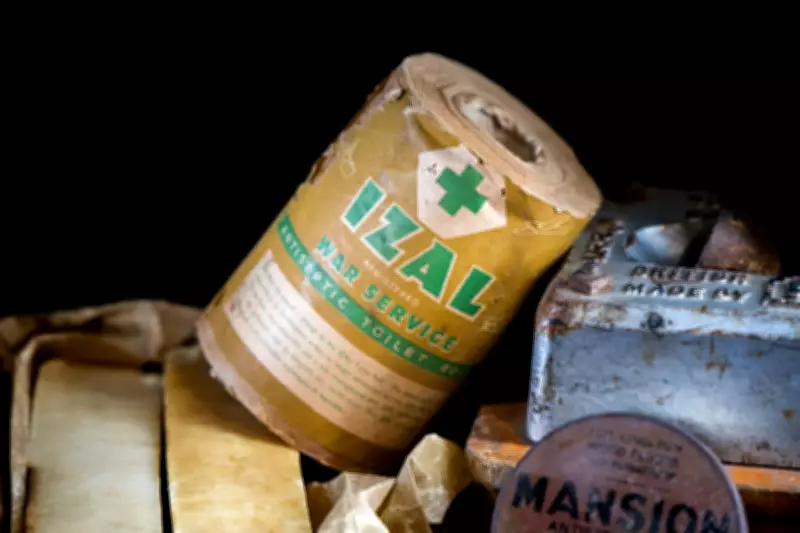
In a fascinating historical twist, Izal antiseptic toilet roll played a crucial role on the frontlines during the First World War, providing soldiers with essential hygiene supplies. This unique product, known for its antiseptic properties, became a staple in military kits, helping to prevent infections in challenging battlefield conditions.
Wartime Uses and Cultural Impact
During the Second World War, Izal took on a symbolic dimension. As noted by writer Sally Goldsmith, it was possible to wipe yourself on a picture of Hitler, reflecting the anti-Nazi sentiment of the era. This anecdote highlights how everyday items like toilet paper could be repurposed for propaganda and morale-boosting efforts among troops and civilians alike.
Personal Mementoes and Radio Feature
Sally Goldsmith, who created a Radio 4 musical feature titled Now Wash Your Hands in 2010, shares her pride in owning a 1930s Izal roll printed with William Heath Robinson drawings. One illustration depicts the cleaning of a broody hen coop using Izal disinfectant, showcasing the brand's versatility beyond personal hygiene. This collection item underscores the cultural and historical significance of Izal in British households.

Modern Letters on Hygiene and Society
The discussion extends to contemporary issues through letters to the editor. Regarding Doug Maughan's argument that Peter Mandelson should be excused for public urination due to age, Melanie Jones from Haverfordwest challenges this by pointing out the prevalence of urinary incontinence among women. She questions whether society would accept similar behavior from women, highlighting gender disparities in public health debates.
Sustainability and Fashion
In another letter, Linda Rhead from Hampton discusses sustainable fashion, noting that her jeans from charity shops, including brands like Next, Levi 501s, and Polo Ralph Lauren, cost as little as £1 to £12. This emphasizes how second-hand shopping can promote environmental sustainability while offering affordable style options.
Cultural and Lifestyle Notes
Richard Barnard from Wivenhoe comments on the Proms, expressing hope that musical works with lots of notes will be arranged correctly, adding a light-hearted touch to arts coverage. Meanwhile, Jenny Moir from Chelmsford recalls the 1970s bread shortage, humorously describing her homemade loaves as bricks that could make a shed, reflecting on past struggles and the nostalgia of traditional baking practices.
These letters collectively offer a snapshot of public opinion on topics ranging from hygiene and aging to sustainability and culture, demonstrating the enduring relevance of historical artifacts like Izal toilet roll in sparking broader conversations.






