Doctor Explains How to Access Meningitis B Vaccine Amid Kent Outbreak
A medical professional has provided crucial guidance on obtaining vaccination against a specific strain of meningitis linked to a deadly outbreak in Kent. Two individuals have lost their lives, and at least eleven others are known to be critically ill due to the infection in the Canterbury area.
Meningitis is an infection that affects the protective membranes surrounding the brain and spinal cord, known as the meninges. While it can impact anyone, it is most prevalent among babies, young children, teenagers, and young adults.
Without immediate treatment, meningitis can be extremely hazardous. It may trigger life-threatening sepsis and cause permanent damage to the brain or nerves.

Health authorities have confirmed that the current outbreak in Kent is caused by meningitis B, also referred to as MenB, a strain of bacterial meningitis.
Understanding Meningitis B and Vaccine Availability
Bacterial meningitis is generally more severe than viral meningitis and can be fatal in approximately one in ten cases. If left untreated, it can lead to serious long-term complications such as hearing loss, vision loss, epilepsy, and even the amputation of affected limbs.
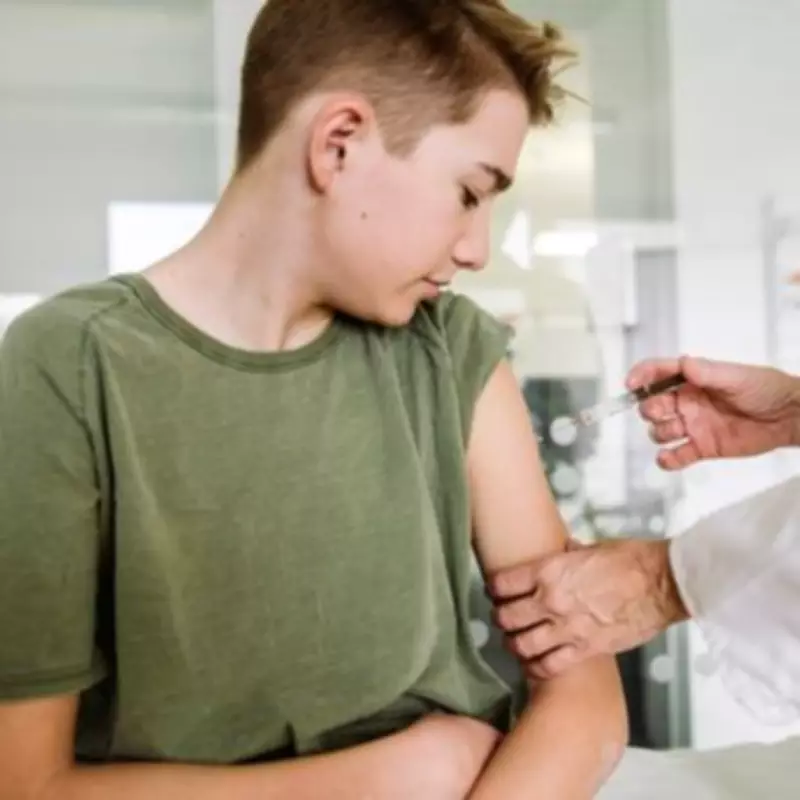
However, vaccines designed specifically to protect against MenB are not available on the NHS for older age groups. They are currently administered to babies at eight weeks old, followed by a second dose at twelve weeks and a booster at one year.
As highlighted by Doctor Amir Khan, this means the vaccine's effectiveness diminishes as a child reaches adolescence. Speaking on Good Morning Britain, Dr Amir elaborated on meningitis vaccines.
He explained: "Right, so it's important to remember that babies under one do get the meningitis B vaccine. And that is because meningitis B is most common and most dangerous in young children, children under one. So, that is why they get it at that point. And that does give them some protection over the course of a number of years until they're at adolescence and it does start to wane as you say there."
Vaccine Options for Teenagers and Adults
Teenagers are currently offered what is known as the MenACWY vaccine. Dr Amir stated: "Children around age 14 and then, just before university, get the meningitis ACWY, those letters refer to the strain of bacteria that can cause the meningitis."
He continued: "Now the reason why it's [MenB vaccine] not offered to older children so teenagers, and young adults is because A, yes cost effectiveness is important, but the meningitis ACWY can actually live in people's throats and the vaccine, the vaccine against ACWY, not only protects that person but it reduces the number of bacteria in their throats that reduces the risk of them passing it on, so it has a wider population effect. Meningitis B vaccine doesn't do that. It protects the individual, but it doesn't necessarily protect the wider population. So the decision to not give it to older children is yes, absolutely cost and effectiveness in terms of that, but also the risk to the wider population, how it reduces that risk."
How to Obtain the MenB Vaccine
The only way to get the MenB vaccine, except for babies, is through private means. Dr Amir said: "Should somebody want it now, you would have to get it privately. If you're at high risk, you might be able to have a conversation with the NHS but very, very likely it has to go through a private means."
High street pharmacies such as Superdrug and Boots advertise MenB vaccine services on their websites. One dose is priced at £110, while a full course of two jabs costs £220.
Symptoms of Meningitis
According to the NHS website, symptoms of meningitis develop suddenly and can include:
- A high temperature (fever)
- Being sick
- A headache
- A rash that does not fade when a glass is rolled over it (but a rash will not always develop)
- A stiff neck
- A dislike of bright lights
- Drowsiness or unresponsiveness
- Seizures (fits)
The NHS warns: "These symptoms can appear in any order. You do not always get all the symptoms."

When to Seek Medical Help
You should call 999 for an ambulance or go to your nearest A&E immediately if you think you or someone you look after could have meningitis or sepsis. The NHS advises: "Trust your instincts and do not wait for all the symptoms to appear or until a rash develops. Someone with meningitis or sepsis can get a lot worse very quickly."
Call NHS 111 for advice if you are not sure if it is anything serious or you think you may have been exposed to someone with meningitis. If you have had medical advice and are still worried or any symptoms get worse, seek medical help again without delay.