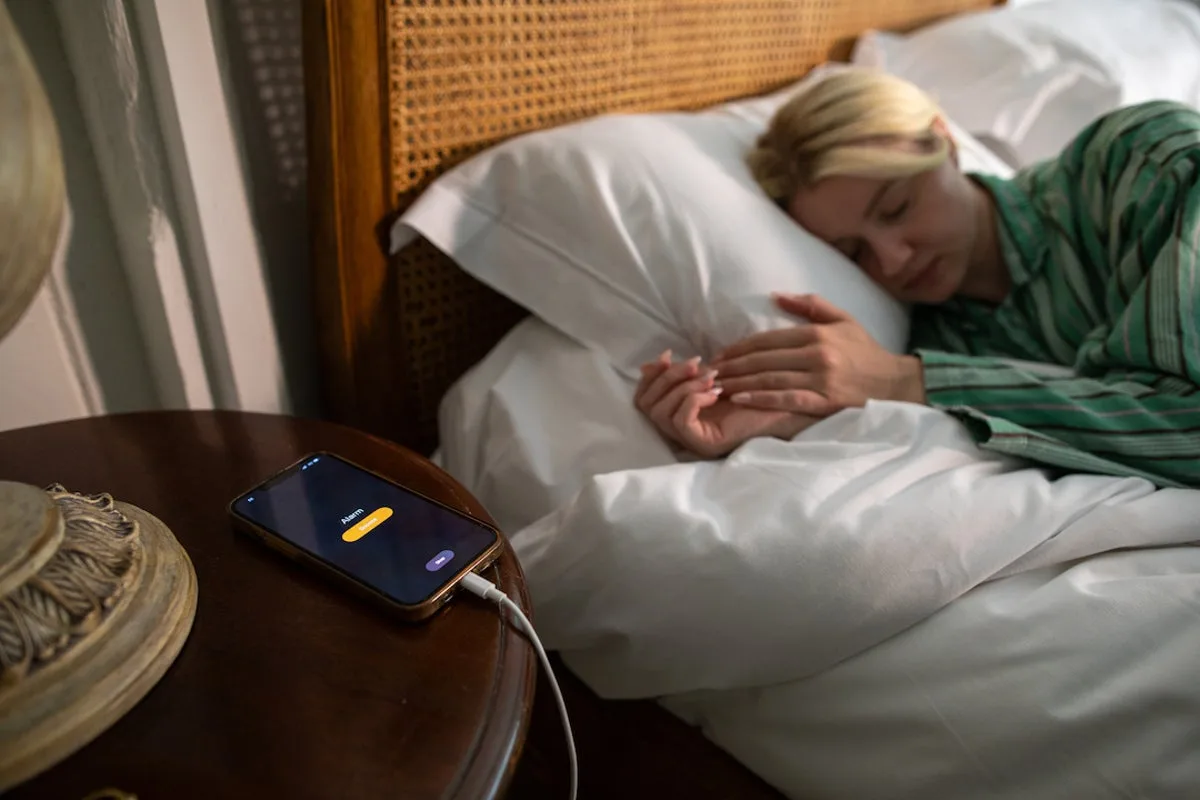
Scientists Reveal How Much Sleep Is Too Much for Your Health
We are constantly bombarded with reminders from news articles and social media posts about the importance of getting more sleep. You likely do not need to hear it again – insufficient sleep is detrimental to your brain, heart, and overall health, not to mention impacts on your skin and sex drive.
But what about sleeping "too much"? Recent reports suggesting that sleeping more than nine hours could be worse for your health than sleeping too little may leave you feeling confused and concerned.
Sleep Is Essential for Our Health
Alongside nutrition and physical activity, sleep stands as an essential pillar of health. During sleep, physiological processes occur that enable our bodies to function effectively while awake. These include mechanisms involved in muscle recovery, memory consolidation, and emotional regulation.
The Sleep Health Foundation – Australia's leading not-for-profit organisation providing evidence-based information on sleep health – recommends adults aim for seven to nine hours of sleep per night.
Some individuals are naturally short sleepers and can function well with less than seven hours. However, for most people, sleeping fewer than seven hours will have negative effects. These may be short-term; for example, the day after a poor night's sleep, you might experience:
- Reduced energy levels
- Worsened mood
- Increased stress
- Difficulty concentrating at work
In the long term, not obtaining enough good-quality sleep is a major risk factor for health problems. It is linked to a higher risk of developing cardiovascular diseases such as heart attacks and stroke, metabolic disorders including type 2 diabetes, poor mental health like depression and anxiety, cancer, and even death.
Could Too Much Sleep Be Bad?
In a recent study, researchers reviewed the results of 79 other studies that followed participants for at least one year, measuring how sleep duration impacts the risk of poor health or mortality to identify overall trends.
They discovered that people who slept for short durations – less than seven hours a night – had a 14% higher risk of dying during the study period compared to those who slept between seven and eight hours. This finding aligns with established health risks of poor sleep.
However, the researchers also found that those who slept a lot – defined as more than nine hours per night – had an even greater risk of dying: 34% higher than people who slept seven to eight hours.
This supports similar research from 2018, which combined results from 74 previous studies tracking participants' sleep and health over periods ranging from one to 30 years. That study found sleeping more than nine hours was associated with a 14% increased risk of mortality during the study period.
Additional research has shown that sleeping too long – meaning more than required for your age – is linked to health problems such as depression, chronic pain, weight gain, and metabolic disorders.
Understanding the Link Between Sleep and Health
While these findings may sound alarming, it is crucial to remember that these studies have only identified a correlation between sleeping too long and poor health – this does not mean that sleeping too long is the direct cause of health problems or death.
Multiple factors may influence the relationship between extended sleep and poor health. It is common for individuals with chronic health conditions to consistently sleep for long periods. Their bodies may require additional rest to support recovery, or they might spend more time in bed due to symptoms or medication side effects.
People with chronic health issues may also not be getting high-quality sleep and may stay in bed longer in an attempt to obtain extra rest. Furthermore, risk factors for poor health, such as smoking and being overweight, are also associated with poor sleep.
This suggests that people may be sleeping more because of existing health problems or lifestyle behaviours, rather than sleeping more causing poor health. In simple terms, excessive sleep may be a symptom of poor health, not the cause.
What Is the Ideal Amount of Sleep?
The reasons why some people sleep a little and others sleep a lot depend on individual differences, which are not yet fully understood. Our sleep needs can be related to age. Teenagers often require more sleep, with recommendations for teens being slightly higher than adults at eight to ten hours. Teens may also have later bedtimes and wake times.
Older adults may desire to spend more time in bed. However, unless they have a sleep disorder, the amount of sleep they need remains similar to when they were younger. Most adults will require seven to nine hours, making this the healthy window to target.
It is not solely about how much sleep you get. Good quality sleep and consistent bedtime and wake times are equally important – if not more so – for your overall health.
The Bottom Line
Given that many Australian adults are not receiving the recommended amount of sleep, the focus should be on ensuring we get enough sleep, rather than worrying about getting too much.
To optimise your chances of a good night's sleep, consider the following tips:
- Get sunlight and stay active during the day
- Maintain a regular sleep and wake schedule
- Avoid screens in the hour before bed
- Engage in relaxing activities before sleep
- Ensure your sleep environment is quiet, dark, and comfortable
If you notice you are regularly sleeping much longer than usual, it could be your body's way of indicating an underlying issue. If you are struggling with sleep or have concerns, consult your GP. You can also explore resources on the Sleep Health Foundation website for further guidance.
About the authors: Charlotte Gupta is a Senior Postdoctoral Research Fellow at the Appleton Institute, HealthWise Research Group at CQUniversity Australia. Gabrielle Rigney is a Senior Lecturer in Psychology at the Appleton Institute at CQUniversity Australia. This article is republished from The Conversation under a Creative Commons licence.






