Household Tasks Deliver Gym-Level Fitness Benefits
Conventional wisdom suggests that structured gym sessions, running, or cycling are essential for physical fitness, but emerging research challenges this perception. A groundbreaking study reveals that everyday household chores like sweeping, mopping, and vacuuming can provide comparable health benefits to traditional exercise routines.
The Sedentary Lifestyle Crisis
South Africa faces a severe public health challenge with non-communicable diseases increasing dramatically. Statistics South Africa reports deaths from conditions like type 2 diabetes and hypertension surged by over 58% between 1997 and 2018. This crisis is exacerbated by rising obesity rates, with nearly 40% of adults classified as overweight.
Despite overwhelming evidence that physical activity prevents and manages these diseases, 47% of South African adults engage in no physical activity whatsoever. Most struggle to meet the World Health Organization's recommendation of 150-300 minutes of moderate-intensity aerobic activity weekly.

Breaking the "All or Nothing" Mindset
Researchers from the University of the Witwatersrand identified a critical barrier: people have adopted an "all or nothing" approach to physical activity. The prevailing belief suggests only structured workouts count toward fitness goals.
"This perception creates unnecessary barriers," explains exercise science researchers. "Our findings demonstrate that even brief, low-intensity movements yield measurable physical and mental health benefits. Everyday tasks absolutely count toward your weekly activity goals."
New evidence confirms that movement bouts lasting less than five minutes can produce positive health implications, making fitness more accessible than previously believed.
The South African Context
Physical activity levels in South Africa are particularly concerning. Only 19.8% of adults meet WHO guidelines, compared to a global average of 73%. This disparity prompted researchers to investigate practical solutions.
A study of 62 office-based workers at the University of the Witwatersrand demonstrated the immediate benefits of simple interventions. Introducing height-adjustable, sit-to-stand desks reduced prolonged sitting and slightly improved body mass index and blood pressure measurements.
"Given South Africa's high burden of obesity and sedentary lifestyles among office workers, these modest improvements are encouraging," researchers noted. "They support global health messaging that even small increases in daily movement positively influence health outcomes."
The "Mzansi, What's Your Move?" Campaign
These findings inspired the university's "Mzansi, what's your move?" initiative, encouraging staff and students to incorporate more movement into daily routines. Supported by campus comics and murals, the campaign highlights how simple actions accumulate into meaningful physical activity.
Housework as Exercise
Many dismiss household chores as mundane tasks, but research confirms they constitute legitimate physical activity. Sweeping, mopping, and vacuuming require sustained movement that engages multiple muscle groups simultaneously.
More intensive cleaning activities provide additional benefits:
- Scrubbing floors involves squatting motions that strengthen lower body muscles
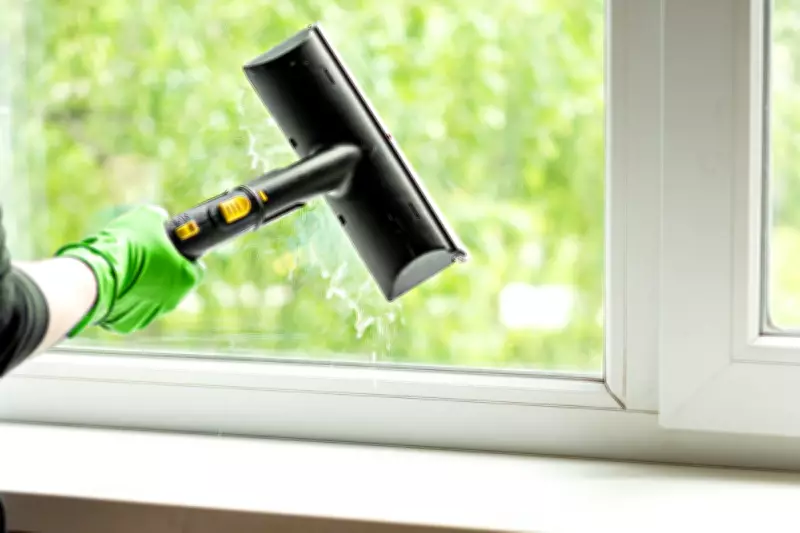
- Washing windows incorporates stretching that improves flexibility
- Cleaning bathrooms engages core muscles through bending and reaching
- Gardening activities build strength through digging, planting, and weeding
The campaign developed comic strips illustrating how all family members can incorporate movement into household tasks according to their physical abilities and lifestyles.
Active Commuting Advantages
Walking or cycling to work or school contributes significantly to daily physical activity. Studies associate active commuting with reduced body fat, lower blood pressure, and improved mental wellbeing.
Incorporating movement into travel routines provides a practical way to accumulate activity without dedicating separate time. Simple adjustments produce measurable benefits:

- Walking briskly to transportation stations
- Cycling several kilometres to work
- Taking longer walking routes when dropping children at school
- Exiting public transport one stop early
- Choosing stairs over elevators
However, researchers acknowledge challenges in South Africa, where safety concerns deter active commuting. Statistics South Africa reports more pedestrians than car occupants died in road crashes during 2007, 2013, and 2019. High crime rates further discourage walking, even in residential neighborhoods.
Practical solutions include moving in groups, joining walking clubs, and municipal improvements to infrastructure. Maintaining clean parks, repairing broken pavements, and ensuring safe bicycle lanes across all neighborhoods would encourage greater participation.
Incidental Movement Opportunities
Incidental movements—small activity bouts throughout the day—offer significant health benefits, particularly in office environments where prolonged sitting prevails. Employers can encourage physical activity through simple interventions:
Centralizing shared equipment like printers, bins, and water stations creates natural walking opportunities. Strategic nudges such as posters encouraging stair use or painted footprints guiding movement patterns can change behavior.
Micro-breaks provide additional opportunities for informal movement:
- Stretching during meetings or after extended sitting periods
- Conducting standing discussions instead of seated conversations
- Organizing walking meetings for small groups
A 2024 study of 43 university labourers demonstrated the effectiveness of these approaches. Though small in scale, the research showed interventions reduced waist circumference, body mass index, blood glucose, and blood pressure while improving overall physical fitness.
The Path Forward
People don't require expensive gym memberships or rigid workout schedules to improve their health. Simple, everyday activities accumulate into meaningful physical activity that reduces chronic disease risks, strengthens muscles, boosts mental wellbeing, and counteracts prolonged sitting's harmful effects.
These "movement snacks" make exercise accessible, manageable, and sustainable—particularly valuable for those who find structured workouts intimidating or time-consuming. By recognizing household chores, active commuting, and incidental movements as legitimate physical activity, individuals can develop more realistic, sustainable approaches to fitness that fit naturally into daily life.