Major Study Uncovers Widespread Undiagnosed Heart Failure Among Diabetics
A significant new study has revealed that a large proportion of people living with diabetes may have undiagnosed heart failure, a condition that could be detected through a straightforward screening blood test. The research, led by the University of Glasgow, involved 700 patients and suggests that implementing a screening programme could dramatically improve diagnosis rates and patient outcomes.
Key Findings from the TARTAN-HF Trial
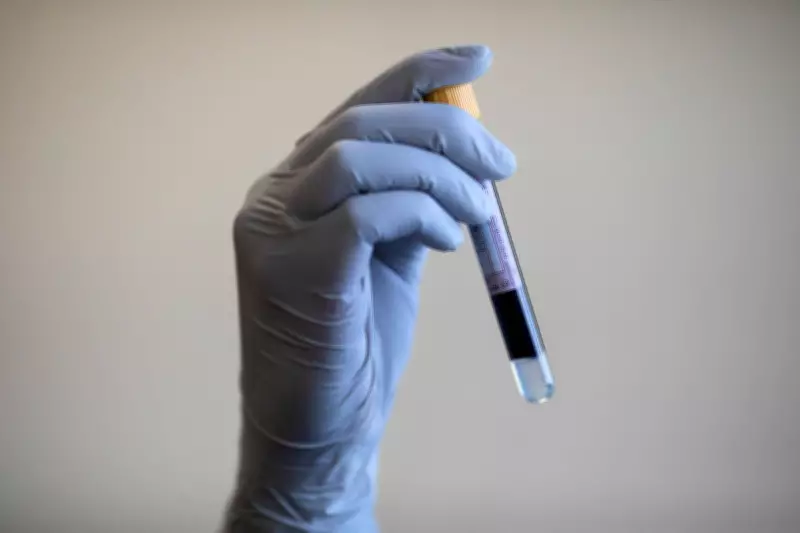
The TARTAN-HF trial discovered that one in four patients with diabetes who had at least one other risk factor for heart failure had undiagnosed heart failure. This was detected through screening that combined a blood test with ultrasound scanning of the heart. The study highlights the extent of unrecognised heart failure in this population and demonstrates how easily it can be identified using the widely available NT-proBNP blood test, which measures cardiac strain.
Dr Kieran Docherty, clinical senior lecturer at the University of Glasgow’s School of Cardiovascular & Metabolic Health, emphasised the importance of these findings. He stated, "Our results from the landmark TARTAN-HF trial identified heart failure in a large proportion of people living with diabetes, emphasising the need for a heart failure screening strategy in this group of patients."

Study Methodology and Results
The research, which began over three years ago, involved more than 700 individuals with diabetes from NHS Greater Glasgow & Clyde and NHS Lanarkshire. All participants had at least one additional risk factor for heart failure. They were randomly assigned to either receive heart failure screening or continue with their usual care.
The results were striking: screening uncovered a large number of previously unrecognised cases. Approximately 24.9% of those screened were found to have heart failure within six months, compared to only 1% in the group receiving usual care. The study included patients with both type 1 and type 2 diabetes, and nearly all participants diagnosed with heart failure had preserved ejection fraction, a condition often difficult to detect without dedicated testing.
Implications for Healthcare and Patient Outcomes
Experts suggest that a heart failure screening programme for diabetics could lead to earlier treatment, potentially reducing the risk of hospitalisation and death. Dr Edward Piper, medical director at AstraZeneca UK, commented, "Delayed diagnosis and treatment of heart failure in people with type 2 diabetes contributes to poor long-term outcomes. TARTAN-HF demonstrates that targeted, risk-based screening can identify previously undiagnosed heart failure in approximately one in four high-risk patients with diabetes, enabling earlier intervention with guideline-directed therapy."
Dr Christian Simon, head of global medical affairs at Roche Diagnostics, added, "We are proud to have supported the landmark TARTAN-HF trial. These findings demonstrate the transformative power of early, accessible diagnostics like the NT-proBNP blood test. By identifying unrecognised heart failure in people with diabetes, we enable clinicians to initiate appropriate treatments sooner, ultimately improving patient outcomes and lives."
Collaboration and Future Directions
The study was conducted in collaboration with AstraZeneca, Roche Diagnostics, Us2.ai, NHS Greater Glasgow & Clyde, and NHS Lanarkshire. The findings were presented at the American College of Cardiology conference in New Orleans, held from March 28 to 30. The research underscores the non-specific nature of many heart failure symptoms, which often go unrecognised for extended periods, and advocates for a simple, clinically implementable screening strategy to aid in early identification and treatment.