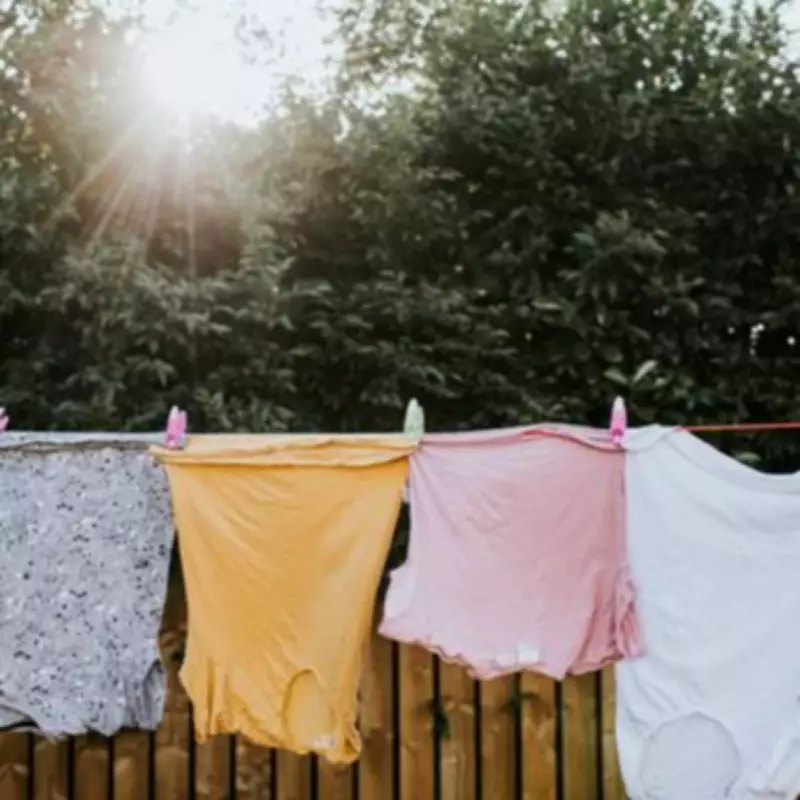
Households throughout Britain are being strongly advised to abandon outdoor washing lines for drying laundry from March onwards in a concerted effort to ward off debilitating hayfever symptoms. This guidance comes as the arrival of meteorological spring signals the start of the traditional hay fever season, which typically extends from late March through to September.
The Pollen Season and Climate Impact
Britain's pollen season traditionally unfolds across three distinct yet overlapping phases. The initial stage spans March to May with tree pollen release, followed by grass pollen dispersal from mid-May through July. The concluding phase sees weed pollen emerge from roughly July until September.
However, the UK Health Security Agency (UKHSA) has issued a caution this week that pollen and additional allergens might be released sooner than expected and persist for extended durations due to our warming climate. This shift could potentially trigger hay fever symptoms as early as January or February, disrupting traditional seasonal patterns.

Why Outdoor Drying Aggravates Symptoms
Pollen concentrations are heavily influenced by meteorological conditions, with milder weather prompting greater pollen production. As temperatures climb, studies indicate that oak and grass pollen seasons could commence even earlier. Consequently, hay fever sufferers might already be grappling with symptoms such as sneezing, a congested or streaming nose, irritated and teary eyes, plus persistent headaches.
Regrettably, there is currently no permanent cure for hay fever, meaning it is most effectively controlled through preventative strategies. One crucial preventative measure includes abandoning outdoor washing lines for air-drying garments. Pollen has a notorious knack for clinging stubbornly to clothing, hair, and skin whilst individuals are outdoors. If you leave your washing hanging outside for extended periods, you risk dragging pollen straight back indoors, thereby aggravating your symptoms significantly.
Practical Recommendations for Households
The clear recommendation from health experts is to hang garments up to dry inside when pollen counts are elevated, which helps keep discomfort to a minimum. MattressOnline advises specifically: "Don't dry clothes on an outside washing line. Some of your washing habits might need changing when dealing with hay fever symptoms. For example, avoid drying your clothes and bedsheets outside in the fresh air after doing your laundry, where pollen and dust can collect. Instead, dry them in a tumble dryer or hang them up inside."
Should you wish to air your laundry outdoors briefly, it is wise to steer clear of peak pollen times, which are generally between 10am and 3pm, or when the lawn is being mown, as this activity can transport pollen straight back through your front door. Eco Egg adds further insight: "We all love the smell of line-dried laundry, but did you know that pollen sticks to damp clothing? You might want to avoid putting your clothes out on the line and dry your laundry indoors instead. Pollen is highest in the early morning and evening, so avoid hanging clothes outside to dry during these times."
Additional NHS Guidance for Sufferers
NHS guidance also suggests several complementary strategies to minimize hay fever impact. These include keeping windows and doors closed "as much as possible", having a shower and swapping your clothes after venturing outdoors, hoovering frequently to remove indoor pollen, and sporting wraparound sunglasses to stop pollen entering your nose and eyes.
If you are uncertain about which treatment might work best for your specific symptoms, always consult a doctor or pharmacist beforehand for personalized advice. Alternative remedies to ease symptoms include various over-the-counter options such as nasal sprays and eye drops, which can provide targeted relief during peak pollen periods.