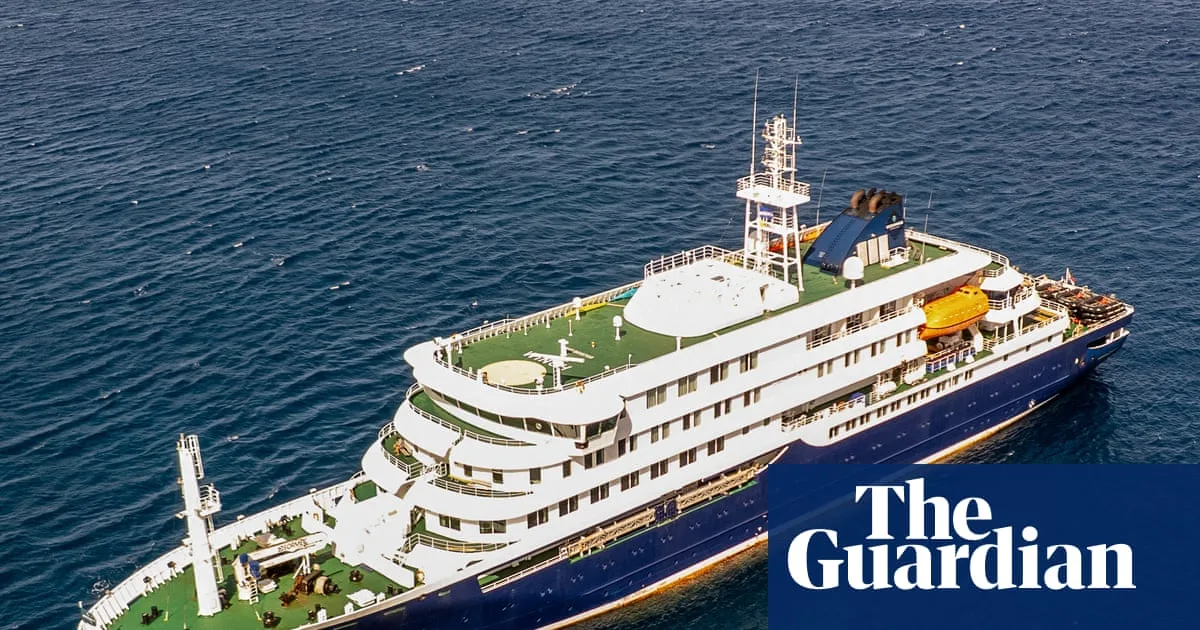
At least six cases of hantavirus have been confirmed among passengers on the cruise ship MV Hondius, which experienced a deadly outbreak, according to the World Health Organisation. Three passengers have died, and the last remaining passengers disembarked on Monday, boarding flights to their home countries for quarantine.
The lab results of an American passenger who tested positive were inconclusive, WHO spokesperson Sarah Tyler said on Monday. Meanwhile, a French woman was the latest to be confirmed infected.
Twenty British passengers, tested for hantavirus before their flight on Sunday, have been taken to isolate at Arrowe Park Hospital in Merseyside upon arrival at Manchester Airport. Clinical assessments and testing are well underway, according to the UK Health Security Agency.
Captain's Emotional Message
The ship's captain, Jan Dobrogowski, issued a video message praising passengers and crew for their courage and perseverance, calling for respect for their privacy. 'I could not imagine sailing through these circumstances with a better group of people, guests and crew alike,' he said.
WHO Warning
WHO Director-General Tedros Adhanom Ghebreyesus warned that if passengers had 'stayed longer on the ship, the situation could have been difficult.'
Evacuation and Quarantine
Passengers began flying home aboard military and government planes Sunday after the MV Hondius anchored in the Canary Islands. Personnel in full-body protective gear escorted travelers from the ship in Tenerife, an effort that concluded Monday. Passengers from the virus-stricken ship flew to more than 20 countries for monitoring.
Contact Tracing in UK
UK health officials have begun contact tracing for those in touch with British passengers and crew. Chief Scientific Officer Professor Robin May told BBC Radio 4: 'Contact tracing is still very much ongoing and we'll continue to do that over the next few weeks, particularly on stopover points of the cruise ship on islands.' Evacuated crew and passengers have been placed in 45-day isolation. Professor May assured that hantavirus is not the same as COVID-19, but emphasised the importance of tracing due to modern travel patterns.
Origin of Outbreak
Health officials suspect the outbreak may have started with a Dutch couple who contracted the illness during a bird-watching outing in Ushuaia, Argentina. They visited a landfill site, potentially exposing them to rodents carrying the infection. However, local authorities note that Ushuaia and Tierra del Fuego have never recorded a hantavirus case, with the endemic zone lying over 1,500km to the north.
British Patient Improving
A British man admitted to a hospital in Johannesburg with hantavirus is gradually improving, according to South African health ministry spokesperson Foster Mohale. He was medically evacuated to South Africa on April 27 after presenting with fever, shortness of breath, and signs of pneumonia, having disembarked at Ascension Island.
Expert Assessment
Dr Giulia Gallo of The Pirbright Institute stated that the risk to the public has not increased despite seven confirmed cases. 'It is not surprising that more cases were detected, but given the time for symptoms to develop, protocols are in place to minimise transmission. These cases derive from the same cluster on the ship. Monitoring and quarantine remain the best approach.'






