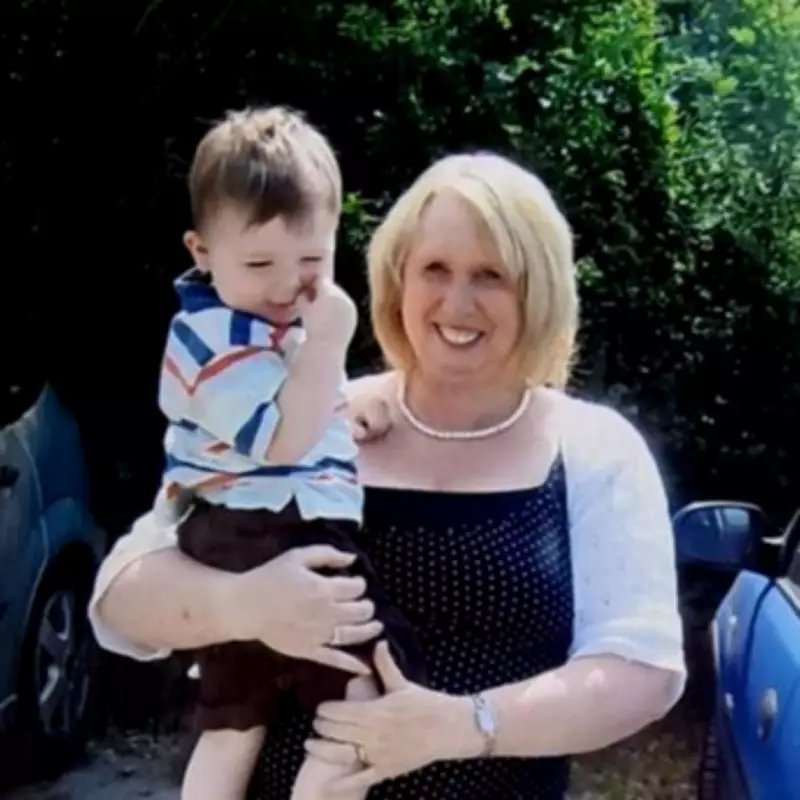
Grandmother's Death While Paramedics Completed Paperwork Ruled Natural by Coroner
A 73-year-old grandmother passed away while paramedics were finishing paperwork in a care home car park, just minutes after a general practitioner advised against transferring her to hospital, an inquest has heard. Janet Noon, a former nurse and charity volunteer, died at Belvoir House care home in Brundall, Norfolk, on February 12, 2025, after paramedics and her GP concluded monitoring her condition was in her best interests rather than hospital admission.
Decision Against Hospital Transfer
Mrs Noon, who suffered from advanced Alzheimer's disease, was assessed after care home staff dialled 999 over concerns about her deteriorating health. Following a telephone consultation with her GP, Dr Wendy Clark of Brundall Medical Partnership, a decision was taken not to move her to hospital. In a call transcript read to Norfolk Coroner's Court, Dr Clark told paramedics at the scene: "If she is not gasping and she appears well in herself it seems sensible to keep an eye on her ... staff should monitor her sats and observations every hour and I will check her urine and assess her when I arrive. It's not the best option at the moment for this lady to be moved to hospital."
Dr Clark, giving evidence via video link, stated she stood by her decision, explaining that Mrs Noon's symptoms could reasonably have been attributed to a urinary tract infection. She acknowledged that taking her to hospital risked causing unnecessary distress as the patient was becoming agitated. "We take a holistic view. If a patient is likely to become very distressed being taken out of a familiar environment, we have to weigh up what is best for their comfort and safety," Dr Clark told the court.

Sudden Collapse and Family Distress
Within minutes of that decision being made, Mrs Noon suffered a catastrophic collapse while paramedics Francesca Cox and Philip Gough were completing paperwork in the car park. Care home team leader Saaed Ahmed, who had called the ambulance, told the court he had checked on her before the crew stepped outside. Shortly afterwards, an emergency alarm was triggered by domestic staff cleaning her room, who noticed her suddenly turn pale and stop breathing.
Mr Ahmed rushed out to the car park to summon paramedics back inside. The court heard they returned to discover Mrs Noon in pre-cardiac arrest, described as "pale, unresponsive and not breathing." Although she briefly resumed breathing following intervention, her condition deteriorated rapidly. Mrs Noon passed away at 11.45am, roughly 15 minutes after being reviewed.
Her son, Jonathan Wedon, described the scene as "horrible and distressing" in a statement read to the court. "She was gasping for breath, grabbing at the curtains," he said. "I pleaded for them to do something so she did not suffer, but it felt like they were just watching her." Mrs Noon's sons, Jonathan and James Wedon, have argued the decision represented a "catastrophic failure."
Coroner's Findings and Professional Responses
Assistant coroner Robin Weyell concluded that Mrs Noon had died as a result of a pulmonary thromboembolism, a naturally occurring condition. Reviewing the evidence, Mr Weyell acknowledged that while certain aspects of her care could have been handled better, none met the threshold needed to establish a link to causation. "This was a naturally occurring condition," he said, adding that the care staff, paramedics, and GP bore no responsibility. "The concerns raised have been fully explored, but I do not find that any of those matters caused or contributed to Janet Noon's death."
Paramedics Francesca Cox and Philip Gough, together with GP Wendy Clark, have maintained that no errors were made, insisting the decision was clinically sound and focused on Mrs Noon's comfort and wellbeing. Ms Cox concurred that the sudden deterioration was "unexpected," estimating the decline had occurred within approximately 15 minutes. Mr Gough added that while Mrs Noon was clearly in a poor state, her symptoms—including a rapid heart rate and low oxygen levels—were consistent with a number of conditions, amongst them infection.

Both he and Dr Clark informed the court that even had a pulmonary embolism been suspected, diagnosis and treatment would not have been possible in the ambulance. A previous report by East of England Ambulance Service stated that, based on the paramedics' assessment, "the patient should have been transported to hospital" and that "reflective practice has been undertaken" as a result of their failure to act.
Background and Family Tributes
The inquest also heard concerns raised by Mrs Noon's family regarding her care in the days leading up to her death. Care worker Louise Dane told the court that on February 11, Mrs Noon had refused food, drink, and medication and had remained in bed for the entirety of the day. However, this was not referred to a doctor at the time, given that she had been eating the day before.
Mrs Noon, of Bluebell Way in Bradwell, near Great Yarmouth, had been diagnosed with Alzheimer's disease in 2020, shortly after she retired. A former nurse at the James Paget Hospital, special constable, and charity volunteer with the Matthew Project, her family described her as someone who "gave so much and asked for so little." Her husband, Rick Noon, said: "The passing of Jan has left a void in many lives. Her only fault was that she would put herself last."
Assistant coroner Robin Weyell noted that the sudden deterioration came as a shock to those treating her, stating "That is a very dramatic change in presentation." Despite the tragic circumstances, the coroner's ruling emphasised that Mrs Noon's death was from natural causes and could not have been prevented, bringing a formal conclusion to the proceedings while leaving a family grappling with loss.