Scoliosis, a skeletal disorder affecting over 2 million people in the UK, often presents subtle signs in children that parents may overlook. The condition causes the spine to twist and curve sideways, with symptoms typically emerging between ages 10 and 15. June is Scoliosis Awareness Month, highlighting that the most common form, idiopathic scoliosis, has no known cause and cannot be prevented.
Key Signs of Scoliosis in Children
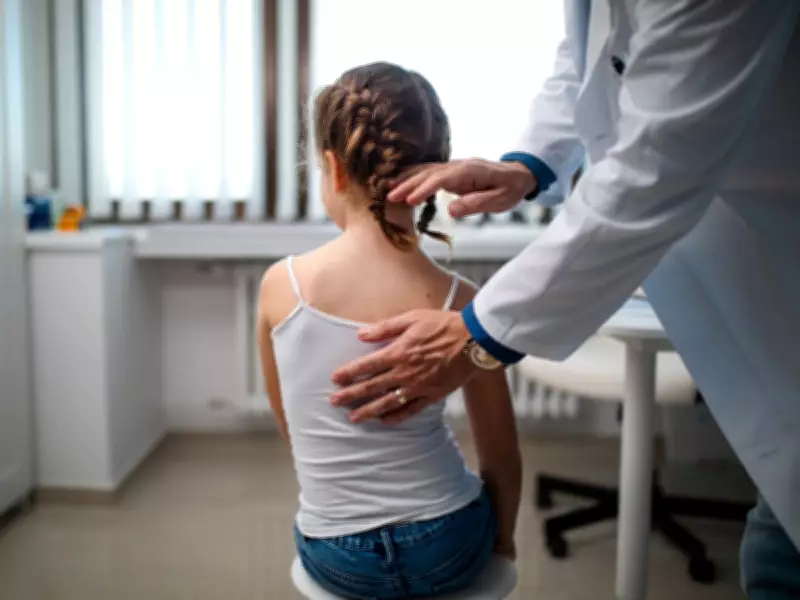
The NHS recommends checking for these visible indicators:
- Leaning to one side
- Uneven shoulders
- One shoulder or hip sticking out
- Ribs protruding on one side
- Clothes not fitting symmetrically
- Back pain
While mild cases may not require treatment, each patient's curve and symptoms vary. Parents are urged to monitor their children's backs during growth spurts.

Causes and Types
In about 80% of cases, the cause is unknown (idiopathic scoliosis). Other types include:
- Neuromuscular scoliosis – linked to conditions like muscular dystrophy or cerebral palsy
- Degenerative scoliosis – affects older adults due to spinal wear and tear
- Syndromic scoliosis – part of disorders like Marfan syndrome
When to See a GP
The NHS advises: "See a GP if you think you or your child has scoliosis. It's unlikely that there's anything seriously wrong, but it's best to get it checked out." If scoliosis is suspected, a referral to a specialist will be made.
Treatment Options
Treatment depends on age and severity:
- Babies and toddlers – may outgrow the curve without treatment
- Older children – may require a back brace to prevent worsening during growth spurts
- Severe cases – spinal fusion surgery may be needed
- Adults – pain management with painkillers, spinal injections, or surgery
Early detection is key. If you notice any signs, consult a healthcare professional promptly.