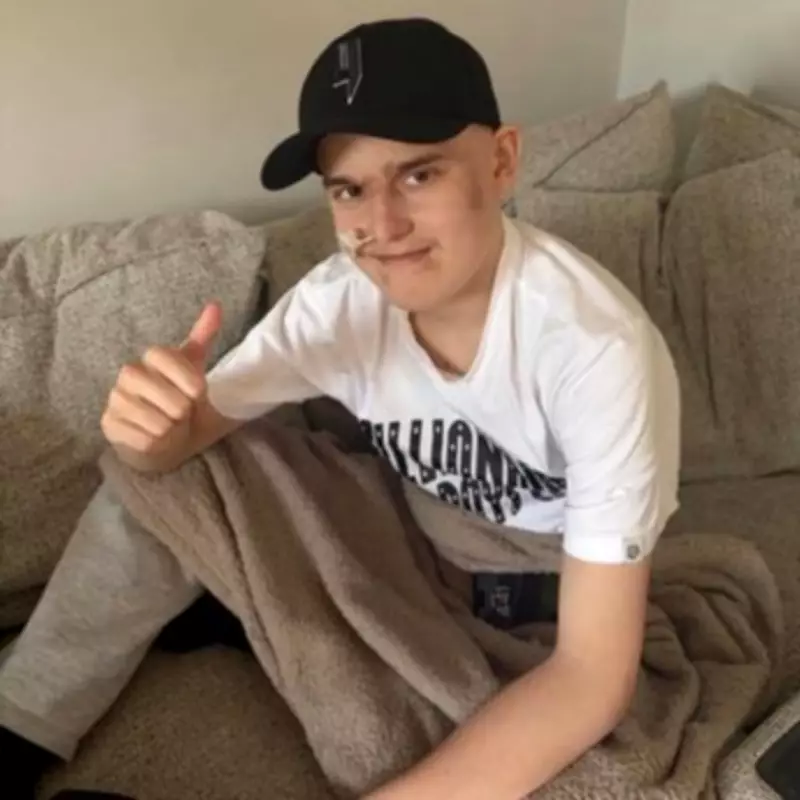
Football Injury Misdiagnosis Conceals Teenager's Rare Cancer Diagnosis
When 15-year-old Jack Douglas from Cheshire developed leg pain in September last year, he and his mother Jemma initially attributed it to playing football in the garden. However, what seemed like a simple sports injury turned out to be a devastating and rare form of bone cancer, after multiple GP visits failed to detect the true cause.
Initial Symptoms and Medical Oversights
Jack, described by his family as fit and healthy, first experienced intermittent leg pain during a sleepover. Jemma Douglas, 40, recalled that the pain would come and go, shifting between legs and his back, leading them to suspect a muscular injury. After several weeks with no improvement, she took him to their GP, who conducted an X-ray that showed no abnormalities, temporarily easing their concerns.
Despite this reassurance, the pain persisted, and by January, Jack had developed a noticeable limp. Jemma says the GP continued to dismiss it as "nothing serious", suggesting possibilities like growing pains, sciatica, or a muscular issue. She noted, "If he wasn't my child, I'd honestly think he was making the pain up because it was so inconsistent."

Physiotherapist's Intervention Leads to Diagnosis
The turning point came during Jack's second physiotherapy appointment on February 5. The physiotherapist, sensing something was amiss, urgently advised Jemma to return to the GP. Following this, Jack underwent tests at Leighton Hospital in Crewe, including a bladder scan that indicated nerve issues, prompting an immediate MRI scan.
On February 6, the MRI results revealed the shocking truth: Jack had Ewing sarcoma of the spine, a rare and aggressive cancer attacking the bones. Jack expressed his gratitude, stating, "One day, I'll take the physiotherapist out for a pint. I want to thank him for pushing us to get the scans." Further tests confirmed the cancer had not spread, but a bone marrow test later updated his diagnosis to metastatic Ewing sarcoma.
Treatment Challenges and Family Resilience
Jack was swiftly transferred to Alder Hey Children's Hospital in Liverpool to begin emergency chemotherapy. The treatment brought severe side effects, including complete hair loss, significant weight drop from 53.5kg to 49.2kg, and mobility issues that required home modifications like an additional banister and a toilet in his room.
Jemma, who works in children's services, shared the emotional toll, saying, "When we told Jack his diagnosis, it broke his heart. It's been absolutely horrendous, but he's been so positive—he makes us better people." The family, including Jack's father Thomas and four siblings, has rallied together, managing care and daily routines amidst the crisis.
Progress and Community Support
After participating in a trial chemotherapy drug, Jack's condition has shown remarkable improvement. His tumour has shrunk from 84 x 110 x 60mm to 60 x 80 x 45mm, and he has regained some mobility, now walking with a stick. However, he faces six more rounds of chemotherapy, with upcoming scans to monitor progress.
The ordeal has disrupted Jack's life, causing him to miss GCSE exams and social activities. Jemma added, "He's such a sociable guy, but we've had to be careful of infections during treatment." To support the family, Jemma's sisters launched a fundraiser, receiving donations from the local community, including football clubs and cafes, to cover travel expenses and future needs like driving lessons for Jack.
Lessons for Parents and Medical Awareness
Reflecting on the experience, Jemma urged other parents to trust their instincts. "Trust your gut if you believe something isn't right, and make sure you're aware of all the symptoms," she advised. This case underscores the critical role of persistence in healthcare and the potential for misdiagnosis in rare conditions.
As Jack continues his battle, the family remains hopeful, focusing on his recovery and the support that has poured in from their community.