Family Demands Tighter Regulation After Inquest Links Cannabis Prescription to Death
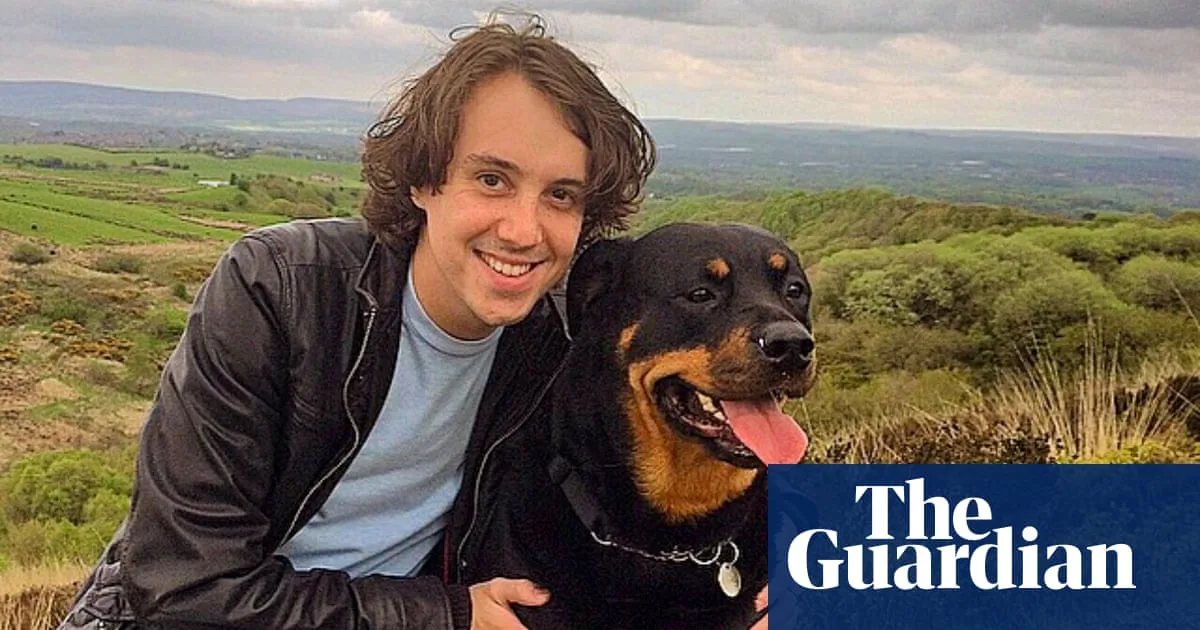
Oliver Robinson, a 34-year-old man from Bury, took his own life in November 2023 after being prescribed medicinal cannabis by a private clinic. His family believes the prescription worsened his mental health, and an inquest has now ruled it probably contributed to his death.
Inquest Findings and Campaign Launch
In January, Catherine McKenna, the coroner for Manchester North, concluded that Robinson's prescription, issued by Curaleaf Clinic in May 2022, acted as an obstacle to him receiving proper psychiatric and addiction care. This is understood to be the first such ruling in the UK.
Now, his brother, Alexander Robinson, is launching a campaign called Oliver's Law to push for tighter controls on private cannabis clinics. The campaign calls for:
- A ban on prescribing to patients with serious mental illness.
- Mandatory consultation with NHS mental health teams.
- Face-to-face assessments for complex cases instead of video consultations.
- Tougher oversight by the Care Quality Commission (CQC), including routine audits and publication of prescribing data.
- Mandatory reporting of serious harms and clearer General Medical Council sanctions for unsafe prescribing.
Alexander Robinson warned: If things do not change he is not going to be the last.
Background on Medicinal Cannabis in the UK
Medicinal cannabis was legalised in 2018 following a high-profile case involving a child with severe epilepsy. Under current law, specialist doctors can prescribe cannabis-based medicinal products (CBMPs) in NHS and private settings if they deem it clinically appropriate.
However, most products prescribed privately are unlicensed, meaning they have not been approved by the medicines regulator. In 2024, over 659,000 unlicensed cannabis products were privately prescribed, more than double the 2023 figure. About 80,000 people in the UK are estimated to have private prescriptions, but evidence for treating depression with cannabis is limited.
Dr Pavan Chahl, an expert psychiatrist, testified at the inquest that under current guidance, medicinal cannabis should not be prescribed to someone with a history of severe psychiatric disorder. He stated: On this evidence, Oliver Robinson should never have been prescribed medicinal cannabis.
Oliver Robinson's Struggles and Prescription
Oliver had a long history of mental health issues, including recurrent depressive disorder and addiction, treated by the NHS and the Priory private mental health facility. After leaving the Priory in 2022, he returned to using cannabis and sought a prescription from Curaleaf Clinic.
He underwent a video consultation with a child and adolescent psychiatrist, providing a GP summary that was nine months old. Curaleaf's multidisciplinary team agreed to prescribe medicinal cannabis, which can contain up to 27% THC, higher than typical street cannabis.
Alexander reported that Oliver's behaviour became violent after starting the prescription, leading to police involvement and his mother being classified as a victim of domestic abuse. Oliver lost his job, took out payday loans to fund the £1,000 monthly prescription, and eventually lived in a tent.
Deterioration and Death
Oliver's condition worsened, with an NHS psychiatrist diagnosing bipolar disorder, depression, and cannabis dependency. He rejected this and refused addiction services. In November 2023, he sent videos of self-harm attempts, and on 24 November, he died by suicide.
The coroner's report highlighted failings, including prescribing based on out-of-date records, incomplete information, and lack of communication with Oliver's other psychiatrists. A prevention of future deaths report was issued to Curaleaf and the CQC.
Responses from Authorities
A CQC spokesperson said they are reviewing the report to consider regulatory action, though they were not a named recipient. Curaleaf stated their thoughts are with the family and that many improvements were already in place before the inquest. They emphasised their commitment to responsible care and will engage with any reviews to strengthen patient safety.
Alexander Robinson continues to advocate for change, stressing the need for better safeguards to protect vulnerable patients in the rapidly expanding private cannabis industry.






