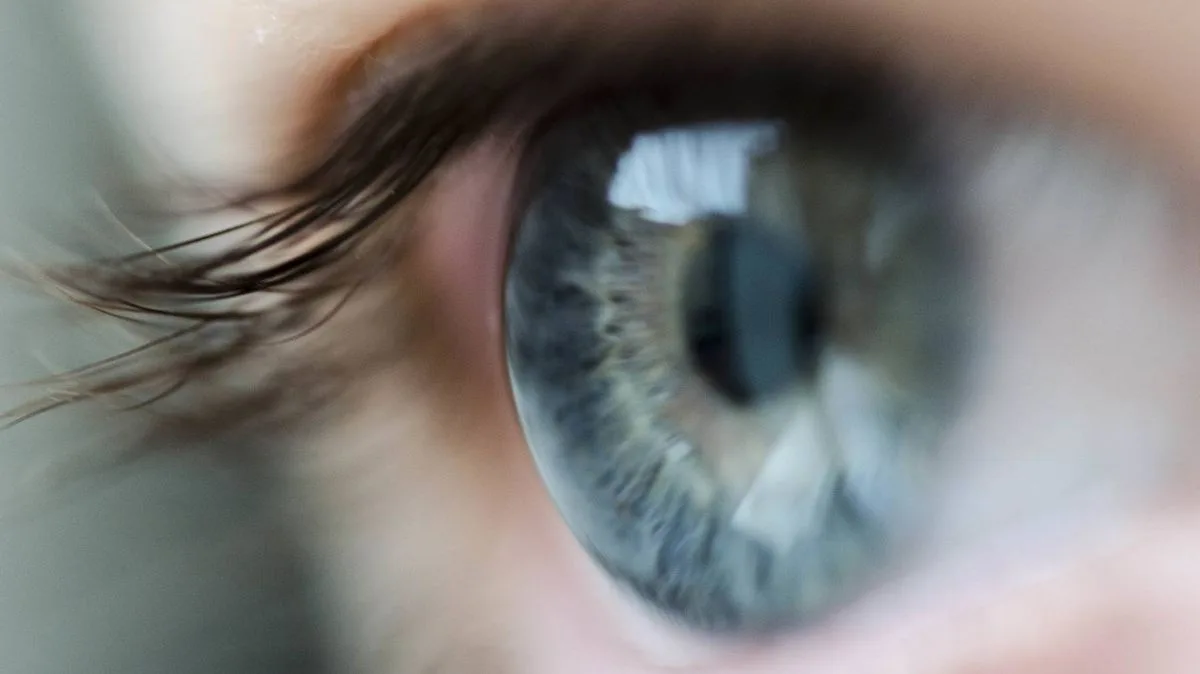
Eyelash Extensions Linked to Severe Eye Health Complications
Health experts have issued a stark warning that eyelash extensions, a widely popular beauty treatment designed to lengthen and thicken natural lashes, could result in serious eye problems. This cosmetic procedure, commonly available at high street beauty salons, involves attaching individual synthetic, silk, or mink fibres to natural eyelashes using strong, waterproof adhesives.
A full set typically costs between £60 and £150 and requires refills every two to three weeks to maintain the desired appearance. While extensions can last up to six to eight weeks, natural lashes shed as part of their growth cycle, causing the look to gradually thin without regular maintenance.
Medical Risks and Real-Life Cases
Doctors emphasise that the treatment is not without significant risks. A recent case report from Coliquio, part of the Medscape Professional Network, detailed the experience of a 38-year-old woman who had worn eyelash extensions for five years. She developed severe eye pain following a caesarean section performed under general anaesthesia.
During the surgery, her eyelash extensions prevented her eyelids from fully closing, making it impossible to use standard protective eye covers. Surgeons were forced to cover her eyes with saline-soaked gauze taped in place as an alternative. Post-procedure, she suffered from a small corneal defect, blepharitis (inflamed eyelids), and dry eye.
Although her vision remained normal, the patient reported that the first 48 hours after delivery were more painful than the C-section itself. This case highlights the potential dangers of eyelash extensions in medical settings, where full eyelid closure is crucial for protection.
Common Side Effects and Hygiene Concerns
Many individuals experience swollen, itchy eyelids after getting eyelash extensions, a condition known as blepharitis. The inflammation can lead to redness, irritation, and the formation of scaly crusts along the eyelid margin. Experts note that this problem is often exacerbated when wearers avoid washing their lashes to prolong the lifespan of the extensions, allowing bacteria and debris to accumulate along the lash line.
Chronic eyelid inflammation is frequently associated with issues in the meibomian glands, tiny oil-producing glands along the inner eyelid that help prevent tears from evaporating too quickly. Damage to these glands can disrupt the tear film, resulting in dry eye and increasing the risk of corneal problems such as ulcers, keratitis, and scarring.
Additionally, long or heavy artificial lashes may hinder the eyelids from fully closing, further elevating the risk of irritation and damage to the eye's surface. Some people may also suffer allergic reactions to the adhesive used in extensions, causing redness, swelling, and discomfort. In severe cases, hair follicles can be damaged, leading to the loss of natural lashes.
Alternatives and Their Hidden Dangers
For those seeking to avoid the cost and upkeep of extensions, eyelash serums might appear to be a safer alternative. However, experts caution that many of these products contain powerful ingredients that can cause burning, irritation, and even permanent darkening of eye colour.
These ingredients are related to prostaglandin analogues, such as bimatoprost, a prescription drug originally developed to treat glaucoma that was later found to promote longer and thicker eyelash growth. Similar compounds in cosmetic lash serums can lead to serious side effects, including fat loss around the eyes, drooping eyelids, unwanted hair growth, and skin darkening.
Investigations have revealed that nearly one in four lash serums sold in the UK may contain these potentially harmful ingredients, often without consumers being aware of the risks. This underscores the importance of thorough research and consultation with healthcare professionals before using such products.
Understanding Blepharitis
Blepharitis is a condition characterised by swollen, itchy eyelids. While it is not usually serious and can often be managed with daily eyelid washing, symptoms tend to fluctuate. Common signs include sore eyelids, itchy eyes, a gritty sensation, flakes or crusts around the eyelash roots, and eyelids sticking together upon waking.
The condition can be triggered by bacteria on the skin, skin conditions like seborrhoeic dermatitis, or insufficient oil production from the glands inside the eyelids. Importantly, blepharitis is not contagious and cannot be spread to others, according to NHS guidelines.
In summary, while eyelash extensions and serums offer aesthetic benefits, they carry substantial health risks that consumers should carefully consider. Medical advice and proper hygiene practices are essential to mitigate potential eye damage.




