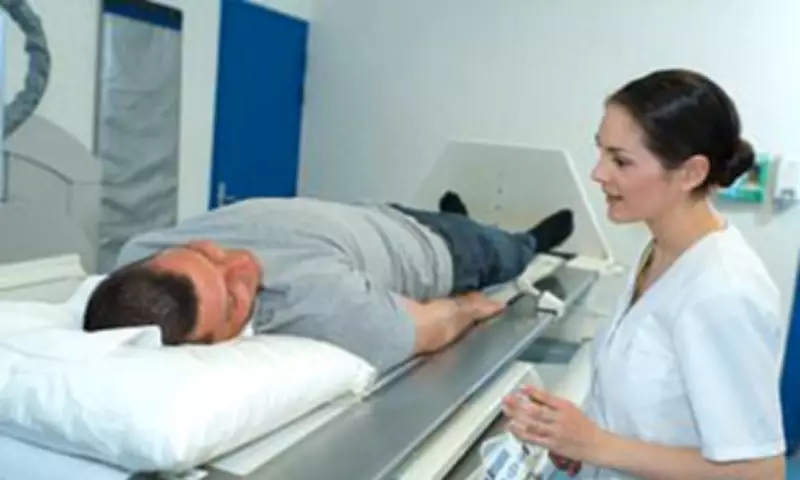
Men should be offered rapid MRI scans lasting under 15 minutes to detect prostate cancer at an earlier stage, according to new recommendations from a panel of international experts. Specialists argue that these quick, targeted scans could help identify dangerous tumours while significantly reducing unnecessary biopsies and overdiagnosis.
Consensus on Screening Protocols
A panel of 21 urologists, radiologists, and pathologists from Europe and the United States has agreed on an expert consensus statement outlining how MRI should be integrated into prostate cancer screening programmes. The recommendations, developed by researchers at Imperial College London, are being presented at the European Association of Urology Congress in London.
Targeted Screening Approach
Experts suggest that fast MRI scans could be offered to men aged 50 to 70, or from age 45 for Black men, who face a higher risk of developing the disease. They also recommend using the prostate-specific antigen (PSA) blood test initially to identify men most at risk before proceeding with MRI scans. Repeat screening intervals should then be tailored to each patient based on individual risk factors.

Nikhil Mayor, a doctoral fellow at Imperial College London who is presenting the study, stated: 'MRI is key to diagnosing prostate cancer, but there is no agreement on how it should be used in population-level screening. We hope these recommendations, backed by international expert consensus, will be widely adopted to standardise protocols for future screening pilots, studies, and programmes.'
Supporting Research and Trials
The guidance will inform the TRANSFORM trial, launched by Prostate Cancer UK, which is testing promising screening methods. This trial evaluates PSA blood tests, genetic testing, and 10-minute MRI scans to determine whether they could be combined effectively for population-wide prostate cancer screening.
This development comes as prostate cancer has overtaken breast cancer to become the most common cancer in the United Kingdom. According to Prostate Cancer UK, 64,425 men were diagnosed with prostate cancer in 2022, compared to 61,640 women diagnosed with breast cancer. This marks a 24 per cent increase from the previous year, when 51,823 men were diagnosed.
Rising Awareness and Controversy
The increase in diagnoses has been linked to growing awareness of the disease, driven by charities, the NHS, and high-profile figures. However, screening for prostate cancer remains controversial. The UK National Screening Committee is due to publish its final recommendation on a national screening programme later this month.
In draft guidance published in November, the committee stated that routine screening should not be introduced for most men. It concluded that widespread screening using the PSA test alone could cause more harm than good. The PSA test is considered imperfect because some men with high PSA levels do not have cancer, while others with cancer may have normal results.
Addressing Screening Challenges
False positives can lead to unnecessary biopsies or treatment for slow-growing tumours that may never cause harm, potentially leaving men with serious side effects such as incontinence or erectile dysfunction. For now, the committee has only proposed regular screening for men with BRCA1 and BRCA2 genetic mutations, who face a far higher risk of prostate cancer.
Another study presented at the same congress suggested that a risk-based screening approach could reduce MRI referrals by up to 60 per cent. Researchers from the Erasmus MC Cancer Institute found that men who might genuinely benefit from MRI scans could be identified using additional tests after PSA screening, such as a digital rectal examination or ultrasound.
Meike van Harten, from the institute in Rotterdam, said: 'The implementation of population-based prostate cancer screening programmes in Europe could result in around five million men being referred for MRI scans based on PSA solely. We need to find ways to reduce demand on MRI so that fewer men have unnecessary tests and those that need it get timely access to a diagnosis.'

Strengthening the Case for Modern Screening
Some experts argue that the new evidence strengthens the case for modern screening programmes that combine PSA testing with MRI scans. David James, from Prostate Cancer Research, commented: 'There is now clear international consensus around streamlined, MRI-led screening pathways, alongside strong evidence that risk-stratified approaches can reduce harm and improve cost-effectiveness.'
The screening debate has also drawn attention from high-profile figures diagnosed with prostate cancer, including Olympic champion Chris Hoy, former prime minister David Cameron, broadcaster Stephen Fry, and actor Tony Robinson. Health Secretary Wes Streeting has expressed surprise at the screening committee's draft recommendation and is currently reviewing the findings.
Urgent Need for Earlier Diagnosis
Charities emphasise that earlier diagnosis is crucial, warning that men in the most deprived areas are 29 per cent more likely to be diagnosed only after the cancer has already spread. They also note that men in Scotland are more likely to be diagnosed at a later stage of the disease than those in England.
The expert recommendations aim to address these disparities by providing a more efficient and accurate screening method. By integrating quick MRI scans into screening protocols, the hope is to improve early detection rates, reduce unnecessary medical procedures, and ultimately save lives through timely intervention.