
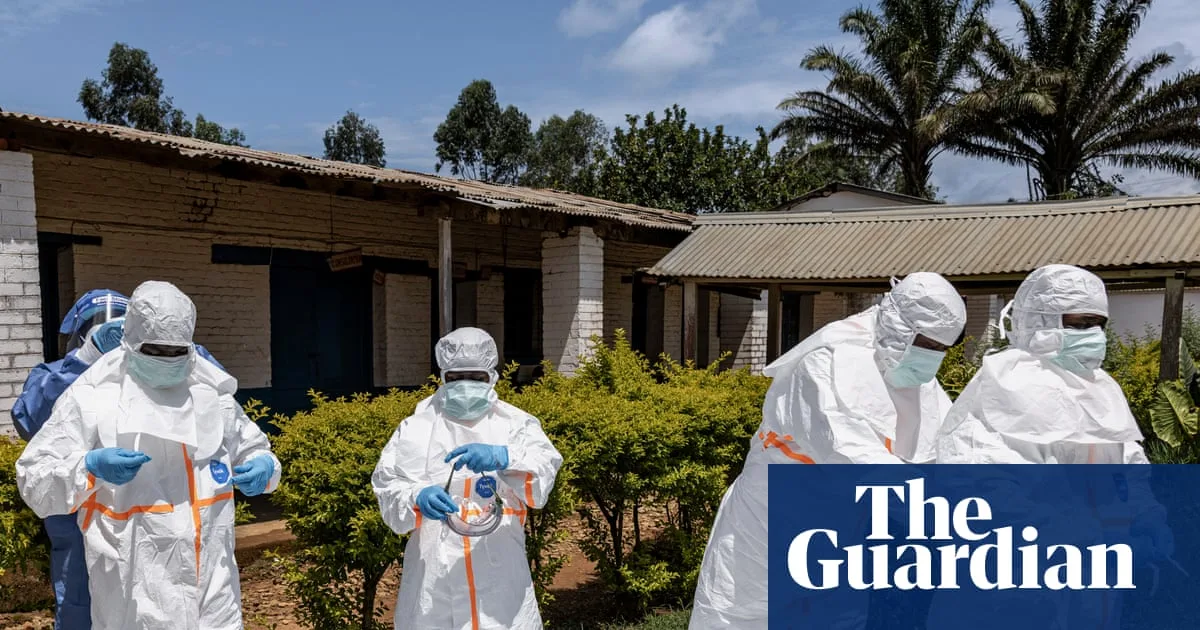
The Democratic Republic of the Congo is facing a rapidly escalating Ebola outbreak, with nearly 750 suspected cases and 177 suspected deaths recorded since late April. Aid groups warn that the true scale of the crisis far exceeds confirmed numbers, as hospitals become overwhelmed and the virus spreads to new areas.
“The speed at which this Ebola outbreak is spreading is deeply worrying,” said Rose Tchwenko, DRC country director at Mercy Corps. “The risk of wider spread is real, and more regional and global support is urgently needed.” Hama Amado, a field coordinator for the Alima aid group in Bunia, told the Associated Press that the virus was gaining momentum. “Everyone must mobilise,” he said. “We are still far from saying that the situation is under control.”
Healthcare facilities are struggling to cope. Trish Newport, an emergency programme manager at Médecins Sans Frontières, reported that a team found no available isolation ward at Bunia’s Salama hospital over the weekend. “Every health facility they called said: ‘We’re full of suspect cases. We don’t have any space,’” she said on social media. “This gives you a vision of how crazy it is right now.”
Several factors are hampering the response: a new strain of the virus with no approved treatment or vaccine, the remote and conflict-affected location, and local funeral customs involving touching the body. The outbreak began when mourners touched a victim during a funeral in Mongbwalu on 24 April. On Friday, Ituri province banned funeral wakes and limited public gatherings to 50 people, but cultural norms around touch remain a challenge.
Violence and insecurity compound the crisis. On Tuesday, at least 17 people were killed in an attack by the Allied Democratic Forces near Mambasa. On Thursday, a crowd set fire to a treatment centre in Rwampara after authorities refused to hand over a victim’s body for traditional burial. “We are facing a double war: one of weapons and another of the disease outbreak,” said Zawadi Jeanne, a woman who lost relatives in an ADF attack last month.
Aid budgets have been hit by cuts, notably from the Trump administration. According to the International Committee of the Red Cross, more than half of health facilities surveyed in North and South Kivu provinces were damaged or destroyed, and nearly half reported significant staff departures since January 2025 due to conflict and insecurity.




