The Department for Work and Pensions is holding talks over a major push to get more people with autism and other conditions into work, but questions are being raised about what the government actually plans to do.
The department is under scrutiny over its reaction to a new report from the Expert Academic Panel on Neurodiversity, which aims to help more neurodivergent people into the workplace. Two-thirds of autistic people in the UK are currently out of work.
Report calls for tailored support
The report makes a string of recommendations aimed at those with autism, ADHD, dyslexia, dyspraxia and other neurodivergent conditions. It calls for "support that responds to individual strengths and challenges, based on need rather than diagnosis." It also sets out a number of objectives for Andy Burnham's government.
The report argues that supporting neurodivergent employees is good for people with conditions such as autism and ADHD, but can also benefit the taxpayer by easing pressure on health and welfare systems, while driving economic growth. It urges the government to change the way workplaces are built in the UK so that they are designed with everyone in mind from the beginning, rather than trying to adjust them afterwards.
It also urges the government to strengthen existing disability employment policy among other measures, and says neurodivergent people bring valuable skills and perspectives to the workplace, and that removing barriers can allow people to do their best work.
Concerns over implementation
The government has responded by saying that "everyone deserves a fair chance to succeed." Yet questions remain about what it actually plans to do.
Joey Nettleton Burrows, Policy and Public Affairs Manager at the National Autistic Society, welcomed the report. However, he warned that "without clear motivation for employers to put these recommendations into practice, there is a risk that they won't be implemented effectively across the country."
Ronnie Cane of The Neurodiversity Directory also raised concerns about the government's response, saying: "The recommendation that asks for a change of outlook was supported the same day. The recommendations that would bind someone to a date, a budget line or a statute were routed to a review, described as under reform, or declined."
Kathryn Stringer, CEO of GAIN, the Group for Autism, Insurance, Investment and Neurodiversity, welcomed the report and said: "This report is an important step in broadening the conversation around neurodiversity and recognising the wide range of experiences, strengths and challenges across the neurodivergent community."
Government response and next steps
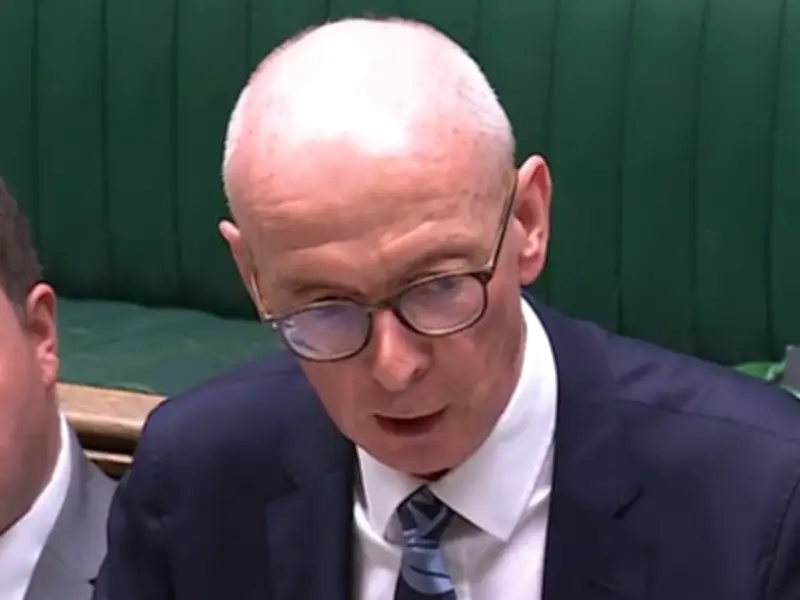
In response to the findings, Work and Pensions Secretary Pat McFadden said: "When we get the right support in place, neurodivergent people thrive at work. That's good for them, good for business and good for the economy. Everyone deserves a fair chance to succeed. Connect to Work is already proving this approach works, and we'll keep building on it so more neurodivergent people get the tailored support they need to build fulfilling careers."
So far, there has been no further pledge of new large-scale funding to implement the report's findings. The government says it will now "hold conversations with employers to explore practical, low-cost changes that help neurodivergent employees thrive."
The government has launched a sixteen-week "policy discovery exercise" to examine where such principles could be applied to workplaces in the future. At the same time, the government's response also pointed to welfare reforms it is expected to make that critics say could lead to cuts.
In 2024/25, it emerged that only 34 per cent of all people with autism were in work - far below the 55 percent of disabled people overall. This gap led to the launch of The Expert Academic Panel on Neurodiversity in January 2025 to advise the Government on how to help more neurodivergent people succeed at work.
Neurodiversity Panel Chair Professor Amanda Kirby said after the report's publication: "Neurodivergent people have enormous talent to offer the economy, yet too often that talent goes untapped because support hasn't matched their needs."
The government, in its response, outlined what it says is already being implemented through Connect to Work, part of a broader £3.5 billion disability employment investment. Officials say its specialist support for neurodivergent and learning-disabled people tailors support around each person's unique strengths and requirements.
By the end of June, it said 1,000 people on the specialist Connect to Work pathway for neurodivergent and learning-disabled people had moved into work, 470 of whom were young people, according to the government. It insisted that much of the work required to fulfil the recommendations is "in train already". It listed nearly 500 additional staff to be recruited to clear inherited backlog in the Access to Work scheme, the deployment of 1,000 Pathways to Work advisers who've already helped over 100,000 people, reforms to the Disability Confident Scheme, the national expansion of WorkWell backed by £259m, and a £60 million Pathways to Work Innovation Fund.
The government also highlighted its investment in a £2.5 billion youth employment support package, which it claims will generate nearly 500,000 jobs and training opportunities to assist young people into employment.