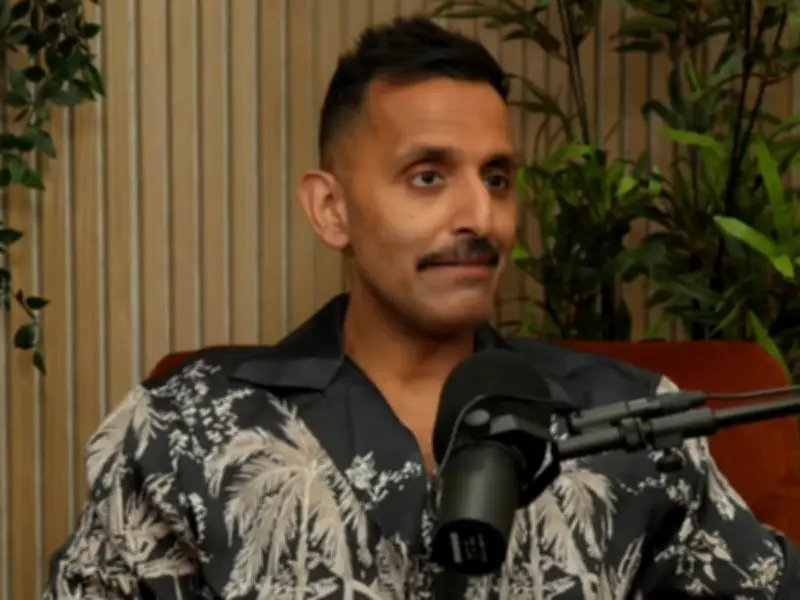
Dr Amir Khan has issued a warning about caffeine-based anti-cellulite creams, stating they do not work as a long-term solution. In a recent episode of his podcast, No Appointment Necessary, co-hosted with Cherry Healey, the NHS GP discussed cellulite and why 90% of women have it, emphasizing it is completely normal. He also addressed whether any creams, massages, or viral social media hacks actually work, and spoke about lipedema, a painful medical condition often mistaken for cellulite.
Anti-cellulite creams provide only temporary results
According to Dr Amir Khan, these products, including caffeine-based creams, may slightly redistribute fat or provide a brief visual effect. However, they do not address the skin's underlying structure. He said: "None of that works. And if it does, it will only be temporarily. So things like massages, caffeine-based creams that some people use as well may just move things around very, very temporarily and give you some temporary relief, which might be what you want for that moment in time, and that's all right."
Dr Amir Khan also noted that if lymphatic drainage or massage were truly effective for treating cellulite, they would be prescribed and offered on the NHS. While he acknowledges that having a 'cellulite massage' can be a pleasant experience, he emphasizes that it is not a solution for the structural causes of cellulite.
What causes cellulite and can it be treated?
Dr Amir Khan explained that the underlying cause of cellulite is a structural difference in the connective tissue beneath the skin. Women have fibrous structures that act as pillars or columns, allowing fat to push up toward the surface while the tissue pulls the skin down, creating a dimpled appearance. In contrast, men have a crisscross, net-like structure that holds fat more effectively in place.
Regarding medical treatments, Dr Amir Khan emphasizes that cellulite is completely normal and not a medical condition. He states that popular social media solutions like creams, diets, or massages do not work in the long term. While he says that strength training, particularly leg-focused exercises, might support the skin's composition through muscle growth, there is no "cure" for cellulite. In very rare, severe cases driven by significant psychological distress, a private surgical procedure called subcision exists, where a scalpel is used to loosen or cut the fibrous tissues, but he says that this is a cosmetic choice that comes with risks.
What is lipedema and can it be mistaken for cellulite?
Dr Amir Khan says lipedema is a medical condition caused by an abnormality in fat deposit and distribution, typically affecting the legs, stomach, buttocks, and arms. Unlike cellulite, which is considered a normal structural variant, lipedema is a medical issue that is often painful, tender, and prone to easy bruising. He says lipedema often causes a distinct "upside-down wine bottle" shape, where fat accumulates in the limbs but spares the wrists, ankles, and feet, leaving them appearing thinner. Cellulite is also described as a structural issue, whereas lipedema is an abnormal condition that does not respond to traditional diet and exercise. While cellulite is painless and purely cosmetic, lipedema is described as a painful and often debilitating condition.