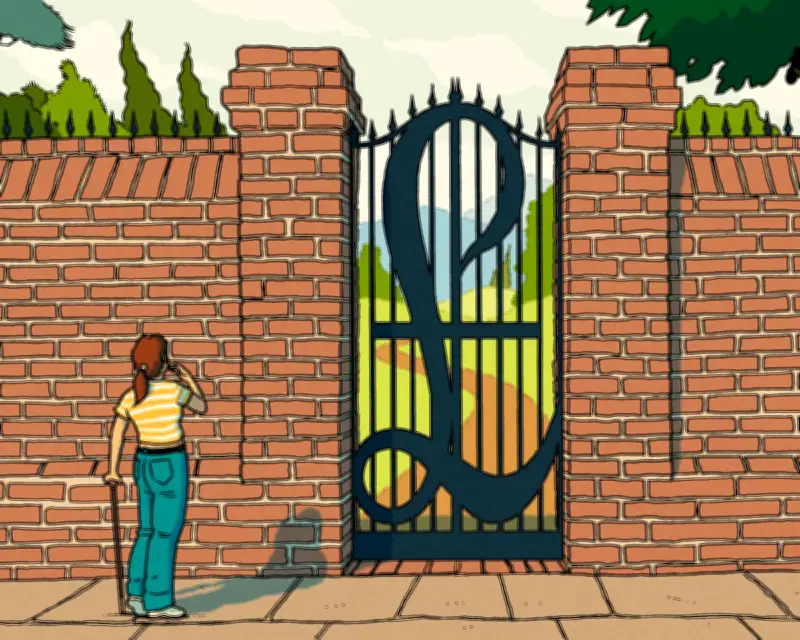
Social care for working-age disabled adults is in as much crisis as support for elderly people, yet the government remains silent on the issue, according to a Guardian columnist whose autistic son faces an uncertain future.
Labour's care plans overlook half of social care budgets
Andy Burnham's conference speech proposing a national care service was a triumph, but questions remain over how it will work. Neither Burnham's speech nor the shorter address by health and social care secretary Yvette Cooper mentioned provision for working-age disabled adults, which accounts for roughly half of England's social care budgets.
The columnist, John Harris, whose 20-year-old son James is autistic and has learning disabilities, describes the "cliff edge" facing families when young people transition from education to adult social care. He fears long days in front of the TV, lack of stimulation, and the possibility of housemates with completely different needs.
Proposed benefit cuts add to fears
New proposals to axe the health element of universal credit for young people with disabilities and health issues, replacing it with work schemes, have added to worries. The plan includes assurances about not applying to "those with the most severe and debilitating disabilities," which implies an official belief that disabilities can be easily graded, when conditions like autism show they cannot.
Louise Casey's independent commission on adult social care has been convened to consider both older people's care and support for working-age disabled adults, but the government is keener on talking about the former. A Department of Health and Social Care response said the commission will "explore and consider the options for supporting working-age disabled adults as well as older people in need of care."
Means testing and low pay undermine care
Many councils' care systems subject disabled people to a means test, snatching money from benefits as a contribution to care costs. Mencap highlighted the case of Fred, who has Down's syndrome, autism, and is deaf, and his mum Annabel in Somerset. The local authority charges Fred £147.54 a week from his benefits for care, leaving him £201.56 a week to live on, amounting to £10,481 a year.
Alison Bloomer, editor of Learning Disability Today, explained that hundreds of thousands of disabled people are on waiting lists for initial care assessments. For those up to 25, the Send tribunal and education, health and care plans offer some means of challenging councils, but dependence on the social care sector means the weakest kind of accountability, with grievances only addressable via the ombudsman or an MP.
Jim Kane, CEO of Community Integrated Care, which provides supported living for about 3,000 autistic and learning-disabled adults, said: "People who have disabilities absolutely have to be front and centre of everything that's discussed." He noted that the social care system deals in safety—roofs and food—but not in building relationships, choosing housemates, or pursuing hobbies.
Low pay rates for care staff worsen the situation, with a 28.6% gap between care workers and NHS Band 3 staff. Kane cannot close the gap due to councils' dire financial positions. Furious disabled people's organisations are calling for a National Independent Living Service at the core of reforms, but that will only happen if these issues are discussed in Treasury circles where intentions can wither. "If we want people to live genuinely fulfilled lives, there's a price tag that's different to the one we've got now," Kane said.