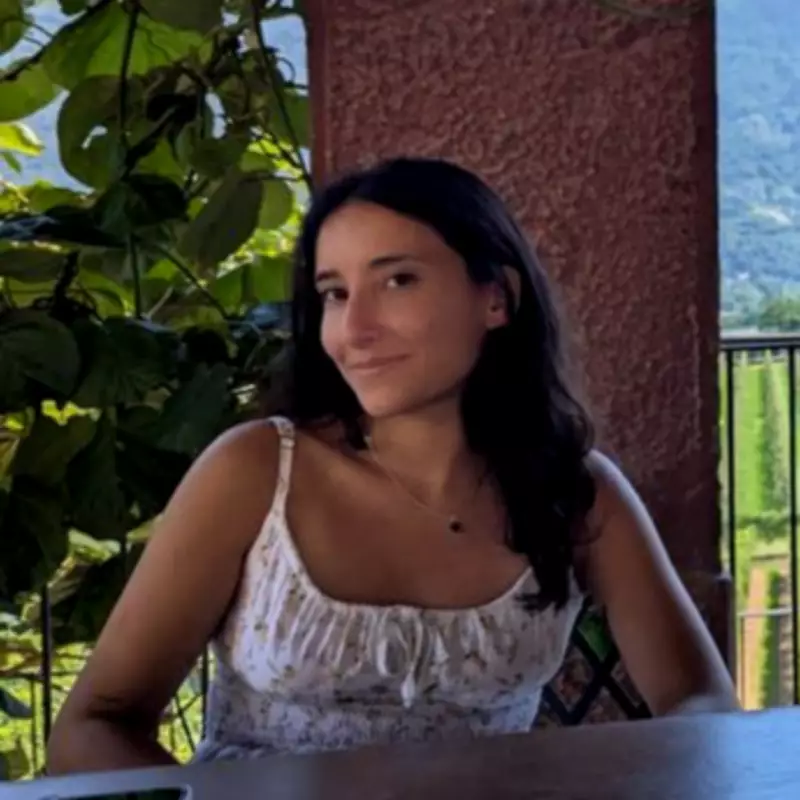
Decade-Long Journey to Epilepsy Treatment After Teenage Collapse
Letizia Mollinedo was just 17 years old when she collapsed on a street while heading to her doctor's office, initially attributing the incident to heat stroke. A month later, she received a diagnosis for a chronic neurological condition affecting approximately one in every 100 individuals. Now 26, Letizia has shared her experience with epilepsy to mark Epilepsy Awareness Day, noting that many people react with fear upon learning of her diagnosis.
Epilepsy involves sudden electrical surges in the brain that trigger seizures, leading to a wide range of symptoms that vary from person to person. Letizia was living in Tunisia when she experienced her first seizure, just a week before departing for university. She recalls, "It's quite common for people to faint from the heat. My mum told me that people tried to pour water down my back, thinking I had heat stroke. What I remember is waking up, my neck soaked, in the back of an ambulance."
Diagnosis and Ongoing Challenges
Instead of spending her final week saying farewell to friends and family, Letizia underwent numerous tests but left without a diagnosis. About a month later, she had a second seizure at her university dorm's lunch table, which led to her epilepsy diagnosis. She spent the next decade finding the right combination of medications and self-care strategies to ensure her safety. "It's not a straight upwards trajectory. I've reduced my number of seizures, but now I have terrible side effects. It's not as easy as it seems," she explained.

Letizia experiences tonic clonic seizures, which cause the body to stiffen, convulse, and lose consciousness. This means she has a unique perspective on the condition: "You don't see the seizure or experience it in any way. You also lose a big chunk of time following the seizure. So for about 30 to 40 minutes after, you're doing things and saying things that you have no control over and you won't remember. All you have to piece together the incident is stories from other people."
Overcoming Stigma and Misconceptions
Alongside medical issues, Letizia faced new taboos and misconceptions about epilepsy. She relied on violent depictions of seizures from medical dramas and movies, which she found frightening. "I had never thought twice about it before, but I looked at these videos and images and saw myself and it was horrible. Seizures are very scary, so if you mention you've had them, the reaction is usually one of fear," she said. She hopes people will stop associating epilepsy with such strong reactions and recognize its commonality.
Seizures can be triggered by various factors, including sleep patterns, stress levels, and environmental awareness, such as avoiding standing too close to train tracks in the mornings. Letizia constantly monitors these triggers to manage her condition effectively.
Traveling with Epilepsy: Emotional and Financial Toll
Traveling has posed significant challenges for Letizia, both emotionally and financially. Last summer, she had a severe seizure while traveling in Switzerland after a long day of travel, leading to vomiting and a hospital visit. "I ended up in urgent care. It was an extremely upsetting situation. I was there for my wedding planning and instead I spent the better part of a week in bed, puking, with a horrendous headache," she recounted. She had to pay out of pocket due to a lack of international health insurance.
Since then, Letizia has sought travel insurance but found options limited and expensive because of her condition. However, she remains optimistic: "You have to find the good. Accept your limitations and know that the danger is real, but as long as you take precautions, there's nothing that can stop you from traveling as much as you can and want to. It's all about preparation." She emphasizes the importance of preparing medication, having her neurologist's contact information, and knowing hospital locations.

Expert Advice on Travel Insurance and Seizure Response
Hannah Mayfield, a money expert with PayingTooMuch, highlighted the challenges for travelers with pre-existing conditions like epilepsy. "Travellers with pre-existing medical conditions often face a delicate balancing act when arranging travel insurance. Conditions like epilepsy must be declared during the medical screening process so insurers can assess the risk and provide a quote that reflects the traveller's specific needs," she noted. "It is not just about finding the cheapest policy. It is about making sure you are properly protected."
Dr. Asimah Hanif provided guidance on responding to seizures: "Stay calm and stay with them; timing the seizure helps medical responders. Protect them from injury – cushion their head, loosen tight clothing around the neck, and gently move hazards away." She advised placing the person in the recovery position after the seizure and calling emergency services if it lasts more than five minutes, if another seizure follows without full recovery, if it's their first known seizure, or if they are injured. Dr. Hanif also warned against restraining or moving someone unless they are in immediate danger and to avoid drawing unnecessary attention.