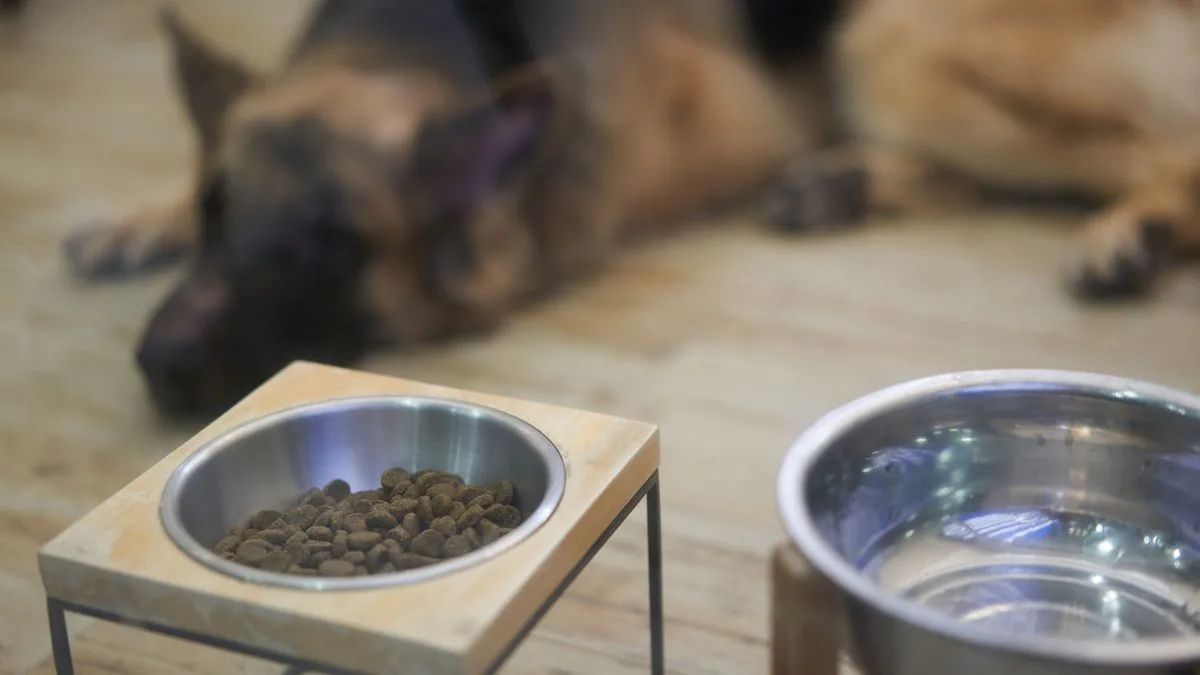
Vet Issues Critical Warning to Dog Owners About Water Bowl Hygiene
A leading veterinarian has issued an urgent health alert to all dog owners, emphasising the critical importance of a simple 30-second daily routine that could significantly reduce your pet's risk of developing serious kidney disease. Dr Emma Chandley, a veterinary expert collaborating with pet insurance provider Petgevity, has outlined essential hygiene practices that every responsible dog owner should implement immediately.
The Hidden Danger in Your Dog's Water Bowl
Dr Chandley explains that many pet owners mistakenly believe their dog's water bowl remains clean simply because it appears clear. However, this common misconception could be putting canine health at serious risk. "If you leave the bowl unwashed or merely give it a light rinse, a slimy bacterial layer called 'biofilm' rapidly accumulates inside," she warns. This invisible bacterial buildup poses substantial health threats to dogs, potentially leading to gastrointestinal illnesses and, in rare but serious cases, ascending infections that can damage kidney function over time.
Proper Cleaning Technique and Pub Bowl Warning
The veterinarian recommends a specific cleaning protocol: "Owners should wash their dog's water bowl thoroughly every single day. This involves scrubbing both the interior and exterior surfaces for approximately 30 seconds using hot soapy water, ensuring all residue is completely removed. After washing, the bowl should either be left to air dry or wiped with a clean, fresh towel."
Dr Chandley particularly cautions against communal water bowls frequently found in pubs, cafes, and restaurants as warmer weather approaches and more people take their dogs on outings. "These public bowls should be avoided whenever possible," she stresses, "as they can harbour multiple sources of bacteria and environmental contaminants that individual owners cannot control."
Understanding Chronic Kidney Disease in Dogs
Chronic Kidney Disease (CKD) represents a progressive condition where a dog's kidneys gradually lose their ability to filter waste products effectively from the bloodstream. While an unwashed water bowl doesn't directly cause CKD, poor hygiene practices can contribute to health complications that may indirectly affect overall kidney wellbeing and function.
"In most healthy dogs, exposure to bacteria from unclean bowls won't immediately lead to kidney damage," Dr Chandley clarifies. "However, repeated exposure to harmful bacteria increases the risk of gastrointestinal illness and, in rare instances, ascending infections. Severe kidney infections that remain untreated have the potential to cause longer-term renal damage that could contribute to CKD development."
Recognising the Subtle Symptoms of Kidney Issues
Early detection of kidney problems proves challenging because initial symptoms often develop gradually and can be easily overlooked. Dr Chandley identifies several warning signs that dog owners should monitor closely: "Increased thirst and more frequent urination represent common early indicators, but these changes might happen so slowly that owners don't notice immediately. Some dogs experience gradual weight loss, become quieter than their usual selves, or display subtle signs of nausea that might manifest as excessive lip licking or reduced appetite."
As kidney disease advances, symptoms typically become more pronounced and may include vomiting, noticeable lethargy, muscle loss, and deterioration in coat quality. Certain dogs face higher risks than others, particularly older animals whose kidney efficiency naturally declines with age, and those with pre-existing conditions including chronic kidney infections, congenital kidney abnormalities, prolonged untreated dental disease, hypertension, or endocrine disorders such as Cushing's disease.
Management and Prevention Strategies
While CKD cannot be reversed once established, many dogs can maintain stable health and comfort for months or even years with appropriate veterinary management. Treatment typically involves prescription renal diets specifically formulated to reduce phosphorus intake—a mineral abundant in meat and fish that damaged kidneys struggle to process effectively—while supporting remaining kidney function.
Some dogs require additional medications to control blood pressure, manage protein loss in urine, reduce nausea, or bind excess phosphorus. In certain cases, veterinarians may recommend fluid therapy. Regular testing of blood and urine samples allows veterinary professionals to monitor kidney function closely and adjust treatment protocols as necessary to maintain the best possible quality of life.
Dr Chandley concludes with practical advice: "Regular, thorough cleaning of water bowls represents sensible hygiene practice that all dog owners should adopt. Checking whether your pet insurance policy covers pre-existing conditions is also worthwhile, as many standard policies exclude such coverage. Prevention through proper hygiene, combined with vigilant monitoring for early symptoms, offers the best protection for your dog's long-term kidney health."






