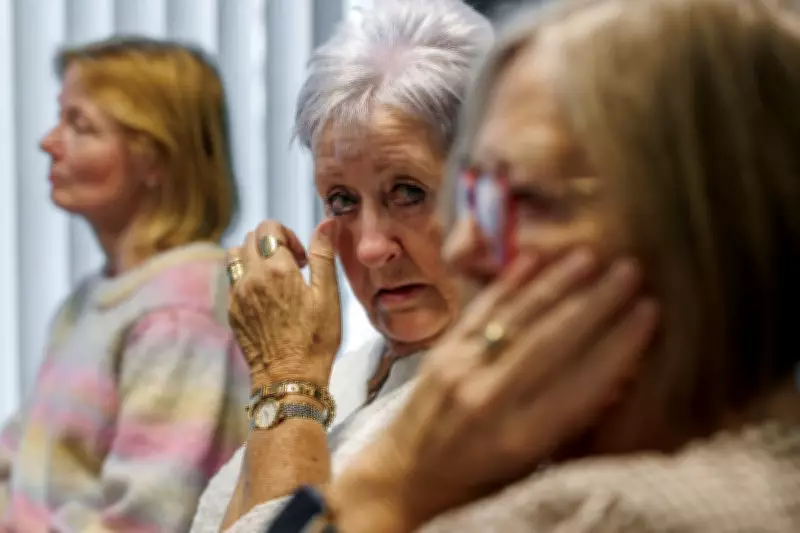
The UK Covid-19 Inquiry has wrapped up its public hearings this week, delivering what campaigners have labelled an 'utterly damning' verdict on the conduct of those in power during the pandemic. The final sessions focused on hearing evidence from relatives who lost loved ones to Covid-19, marking a poignant conclusion to the inquiry's extensive proceedings.
Bereaved Families Highlight Government Failings
Matt Fowler, co-founder of the Covid Bereaved Families for Justice (CBFFJ) group, emphasised the critical role played by thousands of bereaved individuals in bringing the inquiry to this stage. He stated that the inquiry's findings have laid bare a pattern of government incompetence, chaos, and callousness that contributed to the devastating loss of life. The group has vowed to continue its fight for justice, urging authorities to implement the inquiry's recommendations without delay.
Final Module Focuses on Societal Impact
The inquiry's tenth and final module, which examined the broader societal impact of the pandemic, will conclude with lawyers' closing statements on Thursday. This module has shed light on how government policies and responses affected communities across the UK, with testimonies highlighting both systemic failures and personal tragedies.

While public hearings are now ending, the inquiry process is far from over. Further reports from other modules, including those on healthcare systems, vaccine rollout, and procurement practices, are expected to be published in the coming months and years. Campaigners are calling these documents a 'blueprint for saving lives' and are pressing the government to act swiftly on their findings to prevent similar failures in future crises.
Campaigners Demand Action on Inquiry Findings
The CBFFJ group has been instrumental in pushing for a comprehensive inquiry, and they remain steadfast in their mission to ensure that lessons are learned from the pandemic. They argue that the inquiry's damning verdict must translate into concrete policy changes and accountability measures. The families' relentless advocacy has kept the human cost of the pandemic at the forefront of public discourse, challenging narratives that might otherwise overlook the profound suffering experienced by so many.
As the inquiry moves into its reporting phase, the focus shifts to how the government will respond to these critical findings. The coming months will be crucial in determining whether the hard-won insights from the inquiry lead to meaningful reforms or are relegated to bureaucratic oblivion.