Covid Inquiry Exposes Critical Need for Properly Funded Social Care System
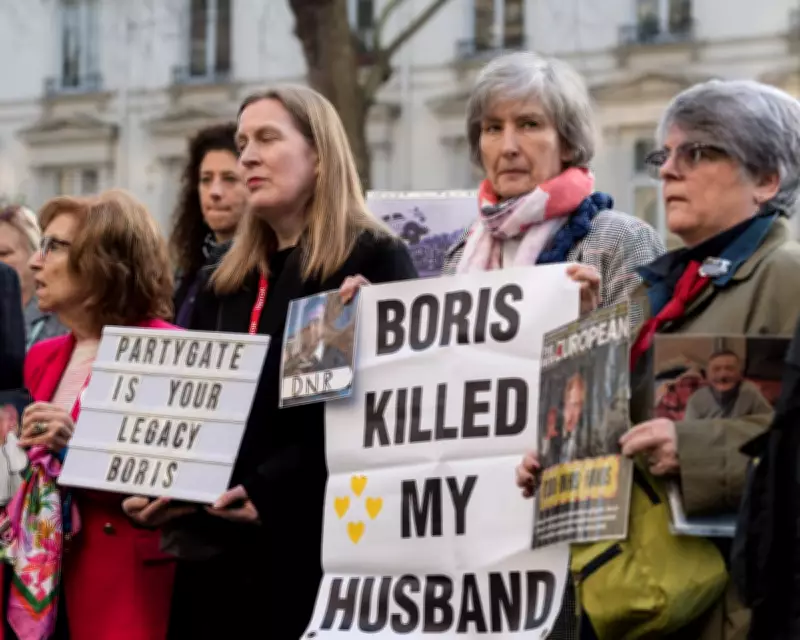
The findings from the Covid-19 inquiry, presented earlier this month, have laid bare the profound and enduring impact of the pandemic on the NHS, which was already under significant pressure before the crisis hit. Bereaved families gathered outside Dorland House in London during the final hearings, a poignant reminder of the human cost behind the distressing but unsurprising revelations that the NHS was on the brink of collapse during the pandemic.
The Precarious State of the NHS and Social Care Neglect
The inquiry report highlights that the precarious position of the NHS prior to the pandemic resulted from decades of neglect, not just towards the health service itself but also towards the social care sector. Social care has long operated in the shadow of the NHS, vital to the nation's wellbeing yet chronically underfunded and undervalued. This lack of support meant that when the pandemic struck, social care was ill-prepared and ill-supported, unable to act as the resilient partner the NHS desperately needed in a moment of crisis.
Social care is a core part of the solution to NHS performance challenges. A properly resourced social care system enables people to live independently, preventing needs from escalating to the point where medical intervention becomes necessary. However, during the pandemic, the extent to which social care had been overlooked became starkly apparent. Decisions made at pace, such as rapid hospital discharges without adequate testing or preparation, led to harmful consequences for patients and staff alike.

Lessons from the Pandemic Response
Despite these challenges, the response of the health and social care sectors was marked by ingenuity and determination. If there is one key lesson to carry forward, it is that the resilience of our NHS depends fundamentally on the strength of the social care sector. With huge reform programmes currently underway across both sectors, the outcome must be a more integrated, properly valued, and sustainably funded social care system. This is essential for the future stability of the NHS, as another pandemic or large-scale public health emergency would expose the same weaknesses if left unaddressed.
Media Coverage and Political Accountability
An unintended but serious consequence of other global events, such as geopolitical tensions, has been the sparse coverage of the Covid-19 inquiry's third report in print, radio, and TV media. This report, which covers the devastating response by all healthcare systems to the pandemic, would have garnered widespread attention in quieter times, leading to overwhelming pressure on politicians to ensure government acts promptly to protect the country from future pandemics.
The first crucial question is whether ministers will allow the inquiry report to fade into obscurity, avoiding the difficult and costly decisions necessary for root-and-branch reform of the nation's healthcare systems. The second crucial question is who, if anyone, in the media will hold the government to account in the long term, ensuring that lessons are learned and implemented to safeguard public health.
In summary, the Covid-19 inquiry underscores the urgent need for a robust and well-funded social care system to support NHS resilience. Without this, the vulnerabilities exposed during the pandemic will persist, threatening the stability of healthcare in future crises.