
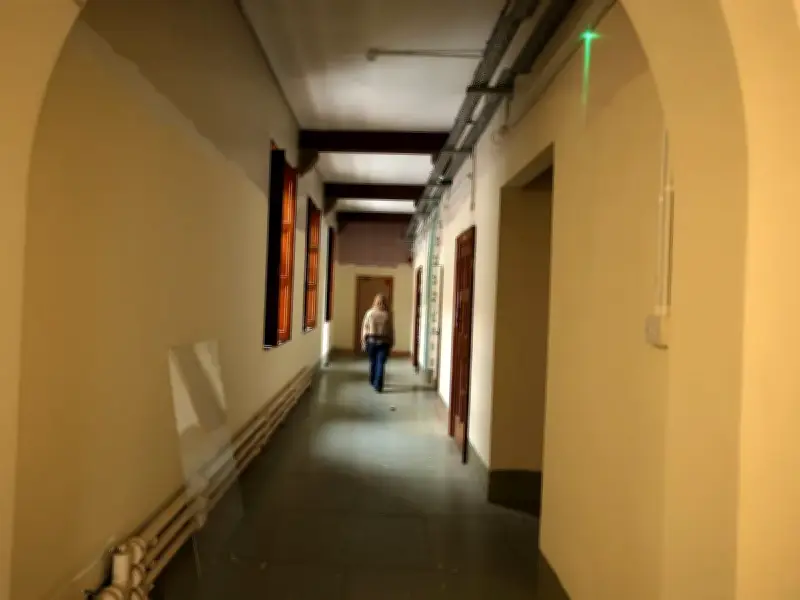
New images have revealed the behind-the-scenes transformation of a historic monastery into a state-of-the-art children's hospice. In June, Claire House Children’s Hospice in West Derby secured vital permission from Liverpool Council to expand its site on Honey’s Green Lane into a round-the-clock service supporting hundreds of seriously ill babies, children and young adults.
Historic site repurposed
The hospice was given the former Carmelite Monastery site in West Derby in 2017 and has since carried out minor internal refurbishment to areas on the ground floor to make it functional and usable for day-care facilities for families and children. For many families, distance has long been one of the biggest barriers to accessing hospice care when they need it most.
The monastery was thought to serve around 30 nuns who relocated a decade ago to a new site in the south of the city. A sensitive transformation is now to begin to create a welcoming and purpose-built hospice environment that combines modern clinical care with thoughtful, child-centred design.
Extensive development planned
The development will allow for bedrooms to be installed for much-needed overnight respite services, as well as private suites where families can spend time with their child after they have died. The building is being completely reimagined, with the wider site already in use by Claire House. The property as existing is a square building with internal courtyards.
Some of the older unique features are remaining, including musical instruments previously used by the nuns themselves. Former rooms used by nuns will be repurposed into office space, with some historic features retained, such as the stained glass windows in the vast hall previously used for sermons. Artwork by the nuns was also discovered inside.
Demolition and new facilities
Vacant buildings dating back to the 1960s will be demolished to make way for new hydrotherapy facilities. The historic entrance to the courtyard of the monastery remains standing, preserving a lasting legacy of the site.




