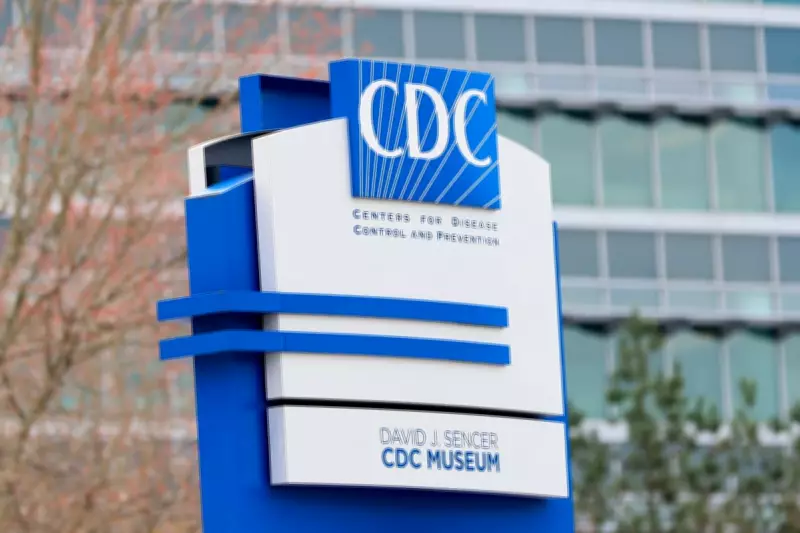
The Centers for Disease Control and Prevention (CDC), the federal government's primary disease-tracking agency, has temporarily suspended its diagnostic testing services for rabies, monkeypox, and numerous other infectious diseases. This week, the CDC published a list of more than two dozen types of laboratory tests that are currently unavailable, marking one of the most extensive testing pauses in the agency's history.
Unprecedented Scale of Testing Pause
Scott Becker, chief executive officer of the Association of Public Health Laboratories, noted that while the CDC has previously paused some lab testing, the current halt involves more categories than ever before. The reasons behind this broad suspension are not entirely clear, raising concerns among public health experts. Becker emphasized that the situation is particularly worrying if the pauses become permanent, as specialized testing capabilities are crucial for national health security.
Government Response and Rationale
Andrew Nixon, a spokesman for the U.S. Department of Health and Human Services, which oversees the CDC, described the pause as temporary. He attributed it to "a routine review to uphold our commitment to high quality laboratory testing." Nixon added, "We anticipate some of these tests will be available through CDC labs again in the coming weeks. In the meantime, CDC stands ready to support our state and local partners to access the public health testing they need."

Impact of Staffing Reductions
The testing pause coincides with significant downsizing at the CDC over the past year, involving layoffs, retirements, resignations, and the nonrenewal of temporary appointments. Estimates indicate that staffing levels have fallen by 20% to 25%, affecting operations across the agency, including its laboratories. According to the National Public Health Coalition, an organization formed by current and former CDC workers in response to the downsizing, the poxvirus and rabies laboratories lost approximately half of their prior staff, while the malaria branch experienced even more severe cuts.
Scope of Affected Tests
The paused testing covers a wide range of infectious agents. It includes common infections like Epstein-Barr virus and the varicella zoster virus, which causes chickenpox and shingles, for which commercial testing alternatives are available. However, the list also features more exotic pathogens, such as parasitic worms responsible for "snail fever" and the virus that causes "sloth fever," highlighting the CDC's role in handling rare and specialized cases.
Historical Context and Evaluation
Becker pointed out that the CDC's laboratory operations faced criticism during the COVID-19 pandemic, leading to a subsequent review by a work group. The agency has been evaluating its testing protocols since 2024, but Becker noted that other factors, such as staffing issues, can also contribute to taking tests offline. This evaluation process is part of broader efforts to improve efficiency and accuracy in public health diagnostics.
State-Level Alternatives
While the CDC tests are on pause, some specialized state laboratories, such as those in New York and California, have the capacity to fill the gap for certain diagnostics. Becker mentioned that these state labs can help mitigate the immediate impact, but he stressed that the CDC's unique expertise and resources are irreplaceable for handling complex or rare diseases on a national scale.
The Associated Press Health and Science Department receives support from the Howard Hughes Medical Institute's Science and Educational Media Group and the Robert Wood Johnson Foundation. The AP is solely responsible for all content.