
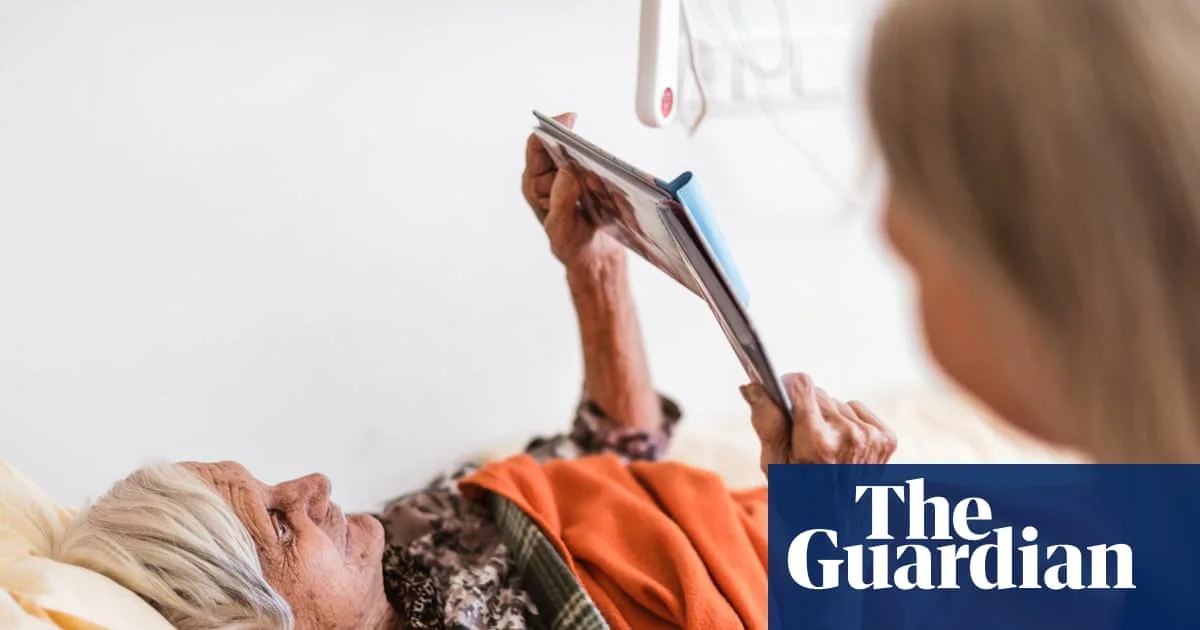
For those with difficult family relationships or estrangement, caring for ageing parents can be far more complicated than under normal circumstances. Kathy, a small business consultant in Sydney, became the primary carer for her elderly mother after a cancer diagnosis in 2016, despite a history of emotional abuse and estrangement.
Kathy's mother used a cruel tongue and extended silences as weapons throughout Kathy's childhood. After years of limited contact, Kathy took on the role of drive-in, drive-out carer, managing finances, hospital stays, and household upkeep until her mother's death in 2022. 'It was something I thought was the right thing to do,' she says, though she admits feeling exhausted looking back.
University of New South Wales sociology professor Emma Kirby notes that caring for parents with whom one has a troubled history can bring up old triggers and traumas. 'We carry this assumption that caring for your parents is the most normal, safe dynamic, but this paints over instances of often decades-long abuse,' she says.
Kirby also highlights that elderly parents with cognitive impairments may become perpetrators of abuse, either for the first time or by rekindling old behaviours. 'Different forms of cognitive impairment manifest in anger, resentment, and frustration, which carers often have to bear the brunt of,' she explains.
Helen, an obstetrician, only recently recognised elements of her upbringing as abusive. Her brother bullied her while her parents gave her scant attention. Now, she helps her ageing parents despite ongoing criticism from her father and brother. 'Every day for as long as I can remember, he told me how fat, stupid and ugly I was,' she says of her brother.
Despite the challenges, both Kathy and Helen continue to provide care, navigating a complex mix of duty, kindness, and unresolved pain. As Kirby puts it, 'There’s a lot of reliving of old triggers and traumas and old arguments, which is really difficult.'




