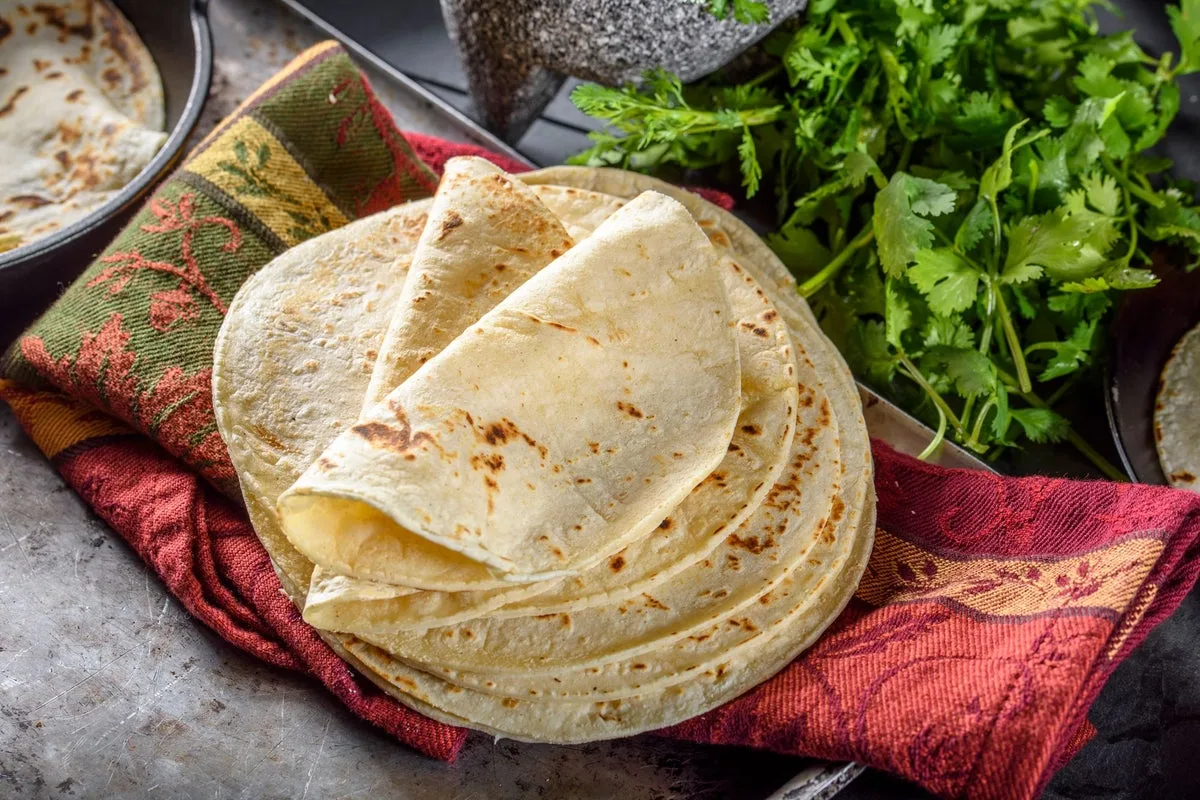
California Mandates Folic Acid in Corn Tortillas to Combat Latino Birth Defects
California Requires Folic Acid in Corn Tortillas to Reduce Birth Defects

California Pioneers Folic Acid Fortification in Corn Masa to Address Latino Birth Defects

In a landmark public health move, California has become the first state to mandate the addition of folic acid to corn masa flour, a staple ingredient in tortillas and other traditional foods widely consumed in Latino communities. This initiative aims to reduce the disproportionately high rates of neural tube defects, such as spina bifida and anencephaly, among Hispanic infants.

A Personal Tragedy Drives Advocacy

Andrea Lopez, a 44-year-old lawyer from Bakersfield, knows the heartbreak of these birth defects all too well. Fifteen years ago, she lost her firstborn son, Gabriel Cude, to anencephaly when he was just ten days old. "It's such a small effort for such a tremendous impact," Lopez said. "There is very little that I wouldn't do to spare anybody this heartache." Her personal loss underscores the urgency of the new law, which she hopes will prevent similar tragedies for other Latina mothers.

Historical Exclusion and Current Momentum

For nearly three decades, folic acid—a crucial B vitamin—has been required in enriched wheat products like breads and cereals across the United States. This 1998 national mandate is credited with cutting neural tube defect rates by approximately 30%, preventing around 1,300 cases annually. However, corn masa flour was notably excluded from this requirement, leaving a gap in protection for Latino populations who rely heavily on corn-based foods.

Wide Pickt banner — collaborative shopping lists app for Telegram, phone mockup with grocery list

In 2016, federal regulators permitted but did not require folic acid fortification in corn masa products. By 2023, only about one in seven corn masa flour products contained the vitamin, with no corn tortillas fortified. This lag has contributed to persistent high rates of birth defects among Hispanic women, who nationally have the highest incidence. In California, the rate among Hispanic mothers is twice that of white or Black women.

State Actions and Industry Response

California's law, which took effect in January, is expected to leverage the state's significant buying power to drive nationwide adoption. State Assemblymember Joaquin Arambula, who sponsored the legislation passed in 2024, noted, "You have to be the first oftentimes to get the ball rolling. So, I'm glad other states have taken up that mantle." Alabama will implement a similar law in June, with Florida, Georgia, Oklahoma, and Oregon considering pending legislation. Texas, Delaware, New Jersey, and Pennsylvania have also expressed active interest.

The food industry is responding to this push. Gruma Corp., parent company of Mission Foods and Azteca Milling, has been involved in fortification efforts for nearly two decades. Azteca began selling some Maseca corn masa flour varieties with folic acid in 2016, and as of this year, 97% of its U.S. retail sales include the vitamin, with full fortification expected by July. Mission Foods started adding folic acid to all its branded and private-label corn tortillas in the U.S. in 2024.

Jim Kabbani, head of the Tortilla Industry Association, acknowledged initial industry concerns about flavor and labeling costs but now predicts broader adoption. "I think overall the train has left the station and it will be more and more states," he said.

Public Health Support and Scientific Backing

Public health experts widely endorse folic acid fortification. "The science is clear: Folic acid fortification works," said Vijaya Kancherla, an Emory University epidemiology professor and director of the Center for Spina Bifida Prevention. "It's safe. It's proven. And it's cost-effective." The U.S. Centers for Disease Control and Prevention emphasizes that folic acid is critical before conception and during early pregnancy to prevent neural tube defects, noting that people with the MTHFR gene variant can still process it effectively.

Neural tube defects affect about 2,000 babies annually in the U.S., occurring in the first weeks after conception—often before women realize they are pregnant. With over 40% of U.S. pregnancies unintended, fortification provides a vital safety net. Dr. Kimberly BeDell, medical director at Miller Children's Hospital in Long Beach, California, explained, "Even women's best efforts in going to an OB right away and starting prenatal vitamins, it's just too late."

Pickt after-article banner — collaborative shopping lists app with family illustration

Controversy and Criticism

Despite broad support, the fortification push faces opposition. Health Secretary Robert F. Kennedy Jr. criticized California's law in a social media post, calling it "insanity" and accusing the state of "waging war against her children." His comments, which a spokesman declined to elaborate on, align with broader claims on social media that folic acid is "toxic" or unsuitable for those with the MTHFR variant—assertions debunked by medical experts.

Eva Greenthal, senior policy scientist at the Center for Science in the Public Interest, countered, "What's truly insane is that our nation's top health official is spreading false claims and frightening people into avoiding a nutrient that's proven to prevent birth defects and save babies' lives." Dr. Jeffery Blount, a pediatric neurosurgeon at the University of Alabama at Birmingham, added that at fortification doses, folic acid "has never been shown to harm individuals or populations."

Looking Ahead

As California leads this public health initiative, advocates like Andrea Lopez reflect on its delayed implementation. "Trust me, you don't want to go through this," she said, remembering her son Gabriel. "He's the love of my life. I have two little girls that survived, but he's my first born. He is my only son." With growing state-level momentum and industry cooperation, the fortification of corn masa flour represents a significant step toward equitable health outcomes and reducing birth defects in Latino communities nationwide.




