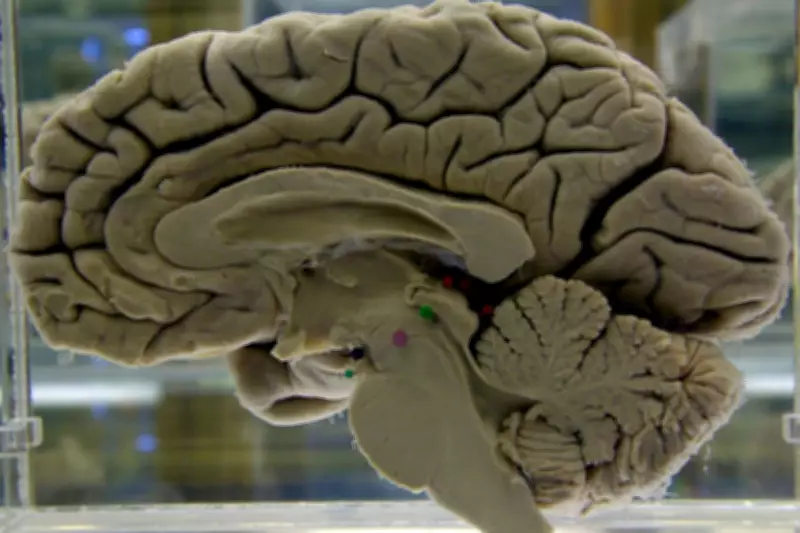
Beyond Brain Exercise: Why Stretching Your Mind Matters for Long-Term Health
Medical professionals frequently recommend exercising the brain to maintain mental sharpness, but emerging research suggests that stretching your cognitive capabilities might be a more accurate and effective description. While traditional advice often focuses on specific puzzles, scientists now emphasize that a broad range of intellectual activities creates a comprehensive cognitive workout that builds protective neural resources as we age.
The Power of Lifelong Learning
A groundbreaking study published in the journal Neurology has demonstrated a clear link between lifelong learning and reduced risk of Alzheimer's disease and cognitive decline. The research, led by neuropsychologist Dr. Andrea Zammit of Rush University Medical Center in Chicago, followed nearly 2,000 adults aged 53 to 100 over an eight-year period. Participants who engaged in intellectually stimulating activities throughout their lives—including reading, writing, learning languages, playing chess, solving puzzles, and visiting museums—developed Alzheimer's five years later than those with minimal cognitive enrichment.
"These activities stretch your brain and thinking processes. You're engaging multiple cognitive systems simultaneously," explained Dr. Zammit. The study's most compelling finding came from autopsies of 948 participants who died during the research: even when their brains showed physical signs of Alzheimer's, those with greater cognitive enrichment maintained better memory and thinking skills with slower decline before death.

Building Cognitive Reserve
This protective phenomenon is what scientists term cognitive reserve—the brain's ability to strengthen neural connections across various regions, creating resilience that helps work around age-related or disease-related damage. "It's not about any single activity," Dr. Zammit emphasized. "It's more about finding meaningful activities that you're passionate about and maintaining them consistently rather than just dabbling."
For those who didn't engage in such activities early in life, middle age represents a crucial window for intervention. Researchers are exploring diverse approaches to brain protection, from musical training and birdwatching to specialized brain-training games. Dr. Ronald Petersen, an Alzheimer's specialist at the Mayo Clinic, cautioned that there's no magic formula to prevent dementia or normal cognitive aging, but lifestyle modifications can significantly "slow down the arc of deterioration."
Complementary Health Strategies
Physical health remains fundamentally connected to brain health. Experts recommend a comprehensive approach that includes:
- Regular cardiovascular exercise that raises heart rate
- Blood pressure management
- Quality sleep patterns
- Later-in-life vaccinations, particularly against shingles
- Diet rich in fruits and vegetables
- Weight management and diabetes control
- Cholesterol regulation
Chronic health conditions that typically emerge in middle age—such as hypertension and diabetes—can significantly increase dementia risk by damaging blood vessels and promoting brain inflammation. Therefore, heart-healthy practices directly benefit cognitive function.
Emerging Research Directions
While the Rush study demonstrates correlation rather than causation between cognitive stimulation and dementia risk, other research provides supporting evidence. Studies have linked brain health to musical instrument proficiency, while preliminary findings suggest that specialized brain "speed training"—using online programs that challenge users to identify images amid increasing distractions—may offer benefits. The National Institutes of Health is currently funding research examining whether long-term computerized exercises targeting attention and reaction time provide measurable cognitive advantages.
"Brain processing speed affects essential functions like multitasking and driving," noted Jessica Langbaum of the Banner Alzheimer's Institute, who recommends activities that promote quick thinking. She suggests joining book clubs as an ideal combination of solitary reading, discussion, and social connection—all valuable components of cognitive enrichment.

The growing evidence underscores that protecting brain health requires a multifaceted approach combining consistent mental stimulation with comprehensive physical wellness practices throughout adulthood.