Blood Tests and Brain Scans Could Detect Alzheimer's Years Before Symptoms
Blood Tests and Scans May Spot Alzheimer's Years Early

Hopes of slowing the progression of Alzheimer's disease have been boosted by two major breakthroughs in blood testing and brain scanning that could help detect the condition years before symptoms appear.

Alzheimer's in the UK

More than 520,000 Britons have Alzheimer's, the most common form of dementia, which is the UK's leading cause of death. While there is no cure, early diagnosis can help slow progression and manage symptoms, including memory loss, difficulty concentrating, mood changes, and problems following conversations.

Now, researchers say new blood tests and brain scans could identify the signs of Alzheimer's years before symptoms emerge, raising the possibility of earlier diagnosis and treatment for thousands of patients. Published in two separate papers in The Lancet, the findings have been hailed by experts as an exciting step forward.

Wide Pickt banner — collaborative shopping lists app for Telegram, phone mockup with grocery list

Blood Test Breakthrough

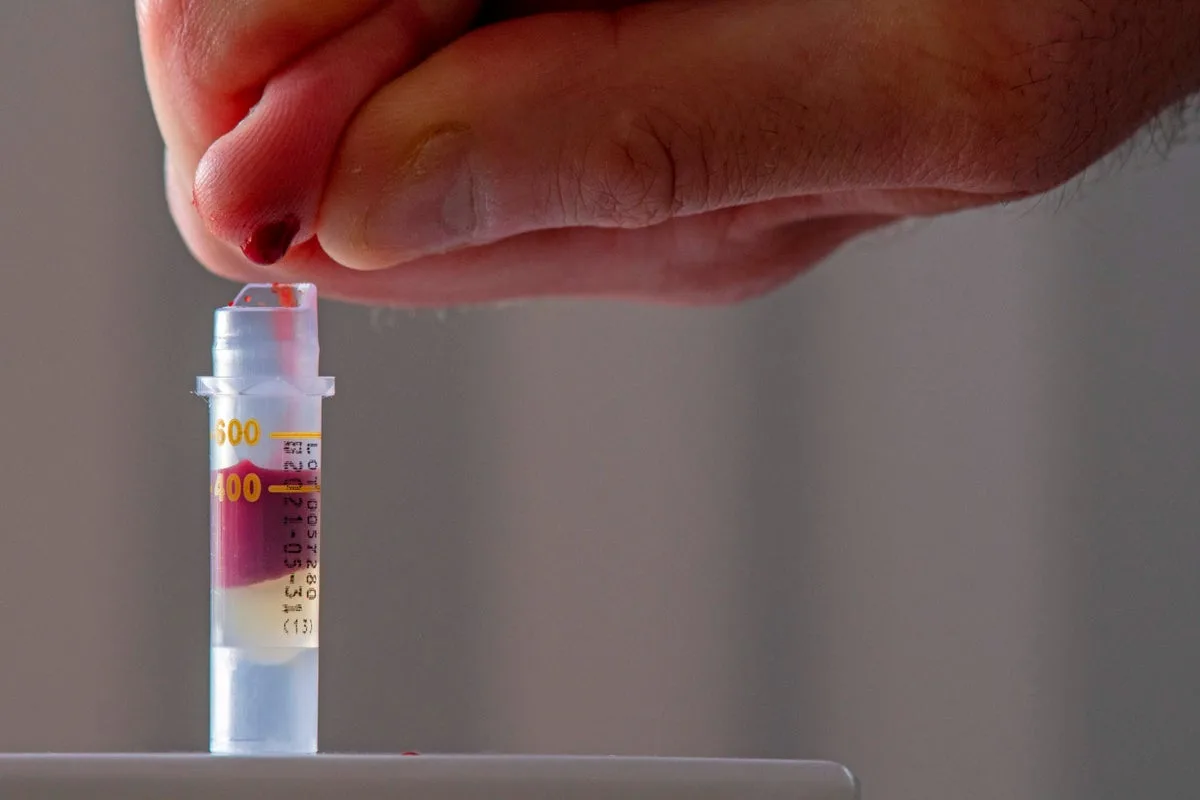
The first study found that proteins linked to dementia, known as biomarkers, could be detected in middle-aged adults through a simple blood test. Researchers analysed levels of amyloid-beta protein plaques and phosphorylated tau, signs of Alzheimer's when they accumulate in the blood, of 1,350 dementia-free adults from the US with an average age of 61.

They found that those with higher levels of these biomarkers had worse cognitive performance, declining memory functions, and a reduced ability to process information. A version of this type of test was approved by the US Food and Drug Administration (FDA) last year, although it is not yet part of NHS care. Experts believe the FDA approval could pave the way for similar tests to become available in Britain in the future.

Authors of the study wrote: 'These findings support the concept that Alzheimer's disease begins decades before clinical symptoms emerge and highlight the potential value of plasma biomarkers for early detection in the general population.' They added that identifying individuals with early Alzheimer's could help research aimed at delaying or preventing the onset of dementia.

Expert Reactions

Dr Richard Oakley, associate director of research and innovation at Alzheimer's Society, said: 'Blood-based biomarkers offer a promising, cost-effective and less invasive way of detecting Alzheimer's disease so it's encouraging to see momentum in this area.'

Professor Paresh Malhotra, head of the division of neurology in the department of brain science at Imperial College London, cautioned: 'It is also critical that we keep in mind that having an abnormal blood test is not in itself a clinical diagnosis and does not mean that someone will inevitably get dementia.'

Brain Scan Advances

The second study found that a new type of brain scan could detect tau proteins, another key Alzheimer's biomarker, more effectively than current methods used in Europe and the US. Researchers studied 682 participants from the US and Canada using two different PET brain scans. The new scan used an experimental tracer called MK6240, while the current method uses a tracer known as Flortaucipir.

Among cognitively healthy adults, the newer tracer detected more than twice as many early tau-positive cases as the standard scan. It also identified significantly more tau in people already showing signs of cognitive impairment. Researchers believe these findings suggest that current brain scans may be missing many cases of early tau build-up linked to Alzheimer's disease. The newer tracer is not yet approved for routine clinical use in either Britain or the US.

Implications for NHS and Drug Approvals

The results could strengthen the case for NHS approval of two drugs, donanemab and lecanemab, made by Eli Lilly and Eisai respectively. Both were shown to delay progression from mild to moderate Alzheimer's by up to six months in early, symptomatic Alzheimer's and were licensed for use in the UK in 2024. However, they were not made available on the NHS after the National Institute for Health and Care Excellence (NICE) deemed their benefits too small to justify the cost. The decision has been appealed by both manufacturers.

Further Expert Comments

Roslyn Bill, professor of Biotechnology at Aston University, said 'this work represents an important advance for the Alzheimer's disease field.'

Pickt after-article banner — collaborative shopping lists app with family illustration

Tara Spires-Jones, professor of neurodegeneration at the University of Edinburgh and division lead in the UK Dementia Research Institute, said: 'These are both well conducted studies that advance what we know about detecting the early brain changes associated with Alzheimer's disease. It is important to note that while these are important scientific findings that will be very useful for research and clinical trials, neither the blood test nor the brain scans investigated are available for routine clinical use in the UK.'

Dr Jacqui Hanley, head of research funding at Alzheimer's Research UK, added: 'In the UK, many people wait far too long for a dementia diagnosis, meaning they often miss out on these opportunities. This is why there's so much excitement around the potential for blood tests, alongside other assessments.'

She noted: 'As exciting as the results of these two observational studies are, we will need further research in larger and diverse groups of people before the approaches could be used routinely.'

Background on Dementia

Dementia is an umbrella term for a range of progressive neurological disorders affecting the brain. Alzheimer's disease is the most common type. The Alzheimer's Society reports there are more than 1 million people living with dementia in the UK today, of which more than 500,000 have Alzheimer's. It is estimated that this number will rise to more than 1.4 million by 2040. Currently, there is no cure, but new drugs can slow progression, and earlier detection makes treatments more effective.




