

Black Country Volunteers Combat England's Highest Inactivity Levels
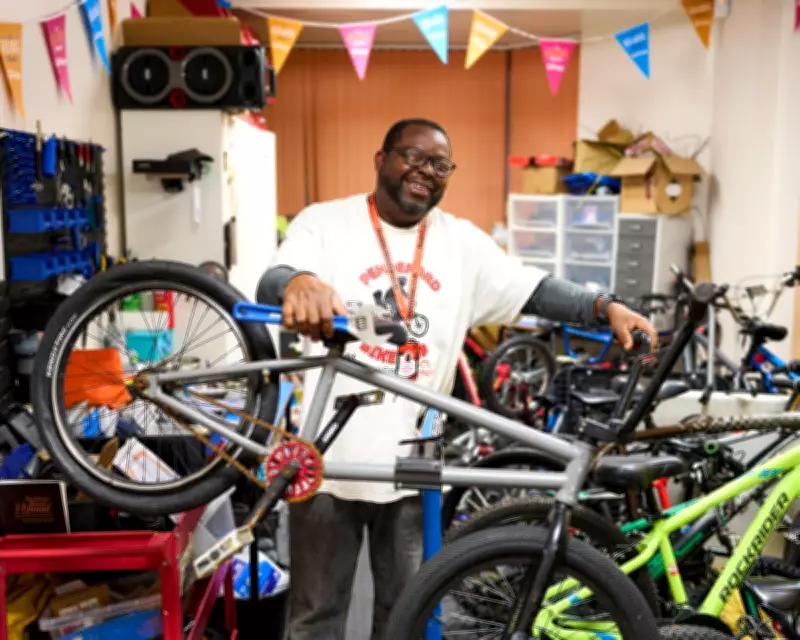
The most recent data reveals stark levels of physical inactivity in one of the poorest areas of England, but the West Midlands is fighting back with grassroots initiatives led by dedicated volunteers. Kelvin Gilkes, project founder and director at the Pendeford Community Bike Hub in Wolverhampton, exemplifies this effort, stating, "Being in nature and among the trees, getting some nice air and oxygen and exercise, that's what clears the mind."
Community-Driven Solutions for Health and Wellbeing
Gilkes, who moved to the UK from Barbados in 2007, runs the bike hub from a Seventh-Day Adventist church in Pendeford, focusing on repairing old bicycles and encouraging cycling as an affordable, accessible activity. He emphasizes, "Not everybody can afford a car, but a bike is affordable. And to be honest, Wolverhampton is a bike-friendly city. You can really get around." Similarly, Tracy Tromans leads a weekly walking group through Leasowes park in Halesowen, promoting movement with values of "friendship and being aware of everybody's limitations," even going out "literally every week, rain or shine."
Alarming Inactivity Statistics in the Black Country
According to Sport England data, the West Midlands has the highest share of physically inactive adults in England at 28.4%. Drilling into the Black Country—encompassing Wolverhampton, Sandwell, Walsall, and Dudley—the figures are more severe: Dudley at 31.1%, Wolverhampton at 34%, Walsall at 35.5%, and Sandwell at 37.6%, which is 12.5% higher than the national average. These rates have risen over the past decade, highlighting a critical public health issue.

Public Health Perspectives and Economic Benefits
Nadia Inglis, director of public health for Walsall, notes, "We know that there's lots of benefits to being more physically active. Even small increases can have huge benefits to physical health, lowering risks of chronic conditions and improving mental wellbeing." She adds that active populations reduce healthcare costs and create wider economic benefits, underscoring the urgency of addressing inactivity.
Innovative Approaches to Engage Diverse Communities
Rachel Smith of the Wolves Foundation, the charitable arm of Wolverhampton Wanderers Football Club, has adopted creative methods like Nerf gun clubs to engage inactive children. "We're targeting children that probably aren't active at the moment or have additional barriers," she explains, noting that such activities offer physical benefits without the intimidation of traditional sports. After initial challenges, the "Yo Active" programme attracted 500 children during October half-term last year, demonstrating the value of non-traditional approaches.
Collaborative Efforts and Future Prospects
Active Partnerships, funded by Sport England, support initiatives like Tromans's walking group through organisations such as Active Black Country. These partnerships aim to turn local insight into community action, as emphasised by Sport England's chief executive, Simon Hayes. Tromans's group is fundraising to improve park accessibility, including adding public toilets, to make spaces more welcoming and encourage broader participation.
In an era of limited public resources, these community-led efforts represent small but significant steps against a major challenge. The momentum and ownership felt by volunteers like Gilkes and Tromans are palpable, offering hope for sustained change in the Black Country's fight against inactivity.






