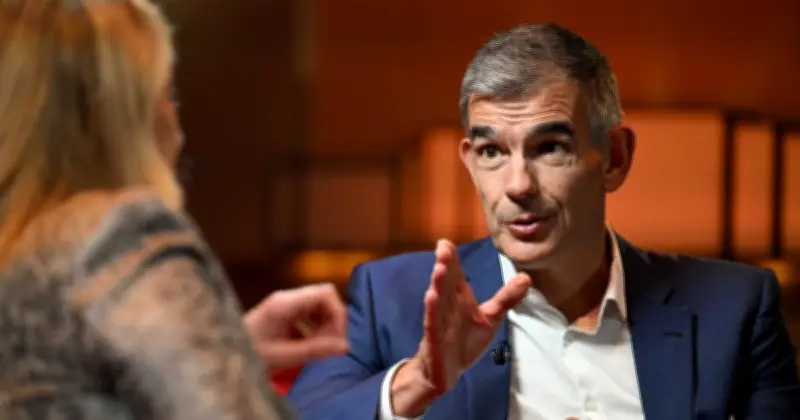
The BBC's director-general has suggested fees for the public service broadcaster would be lower if everyone contributed. Matt Brittin said a household levy — a model already used in many other nations to finance public media — would ensure a level of fairness.
Speaking on the Sunday With Laura Kuenssberg programme, Mr Brittin said: “There was a report just this week saying that if you move to something which every household pays, you can charge everyone less. Collections costs are lower, there’s limited evasion, but we’re living at a time of really difficult costs of living for everyone, and that’s quite a big shift from where we are today.”
Universal payment fairness questioned
When asked why everybody should pay the proposed levy despite not using it, Mr Brittin said: “Ninety four per cent of households every month are consuming BBC content. That’s incredible, but yet only 80% are paying.”
The BBC chief clarified that this specific model of a universal household bill is not what he is advocating for, but rather one of the ideas being discussed. He said the BBC is “advocating” reform that enables services to be offered “universally”, while reflecting current viewing habits.
Licence fee under review
Mr Brittin previously said the corporation is “held back” by its TV licence fee which is “no longer fit for purpose”. The BBC is mainly funded through the licence fee, which soared earlier this year to £180 annually. However, the cost is being reviewed ahead of the charter renewal in December 2027.
Mr Brittin said: “What we need to look at is the current model. You pay the licence fee if you watch live TV or you’re on iPlayer.
“I’d like to see reform that allows us to be where audiences are. I think BBC content should be on Netflix, on YouTube, on TikTok, on Spotify, and Instagram, and everywhere where audiences are.
“Particularly news, actually, which I think is part of disinfecting misinformation.
“It’s our job to be everywhere.”
Declining licence fee income
The standard TV licence is legally required in order to watch or record television on any channel or service, watch live on streaming services and to use BBC iPlayer.
The BBC’s licence fee income has dropped by more than £1 billion in real terms over the past decade. The 2026 BBC annual report revealed TV licences fell by more than half a million in the 2025/26 financial year.
The royal charter sets out the arrangements for the governance of the corporation, including how the corporation is funded. It currently has to be renewed every 10 years and is set to end in December 2027.