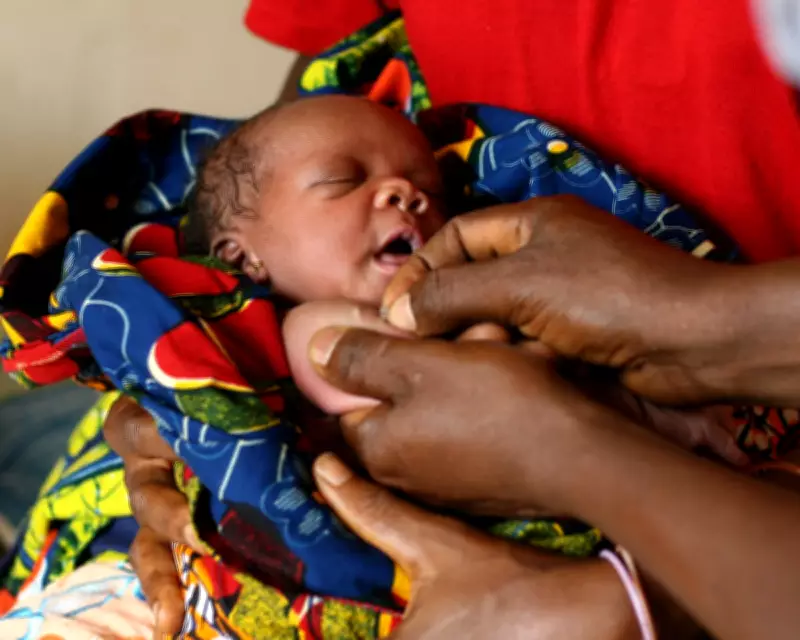
Basic Healthcare Gaps Drive Preventable Infant Deaths, Report Warns
A recent Unicef report on child mortality has highlighted a stark reality: progress in reducing infant deaths is stalling, with the majority of fatalities in 2024 deemed preventable. The burden is disproportionately borne by regions like sub-Saharan Africa and south Asia, which account for over 80% of deaths among children under five.
Neonatal Conditions a Leading Cause of Mortality
Neonatal conditions are responsible for more than a third of deaths in children under five. In many fragile healthcare systems, public birth facilities often fail mothers and babies during critical moments, leaving survival to chance. The barriers are consistently tragic, including delays in seeking care, reaching facilities, receiving timely treatment, and recognizing complicated cases for prompt referral.
Dr. Farhana Zareef of Acasus in Toronto emphasizes that stopping preventable deaths does not require "miracle" inventions. Instead, the focus must be on addressing the most dangerous gaps in basic care. For instance, a modern delivery room is ineffective if locked at night, and a stocked pharmacy is useless without trained professionals to administer medicines. Even well-equipped clinics cannot function without reliable electricity.

Success Stories from Pakistan Demonstrate Impact
Pakistan offers a compelling example of how getting the basics right can transform outcomes. In 2012, one in 11 children in Punjab died before their fifth birthday. With targeted support, the government increased facility deliveries by over 350,000 annually within three years, surpassing the total volume of the NHS. This effort contributed to a 35% reduction in infant mortality rates by 2024.
Similarly, in Sindh, delivery rates at public facilities have more than doubled since 2017. This transformation stemmed from consistently implementing fundamental healthcare practices, proving that reliable protection for mothers and babies is achievable through basic care.
A Wake-Up Call for Global Health Priorities
The Unicef report serves as a critical wake-up call. No woman should rely on luck to survive childbirth, and no baby should die due to a lack of basic care that is already known and deliverable. By prioritizing consistent, foundational healthcare interventions, the global community can make significant strides in reducing infant mortality and ensuring healthier futures for children worldwide.