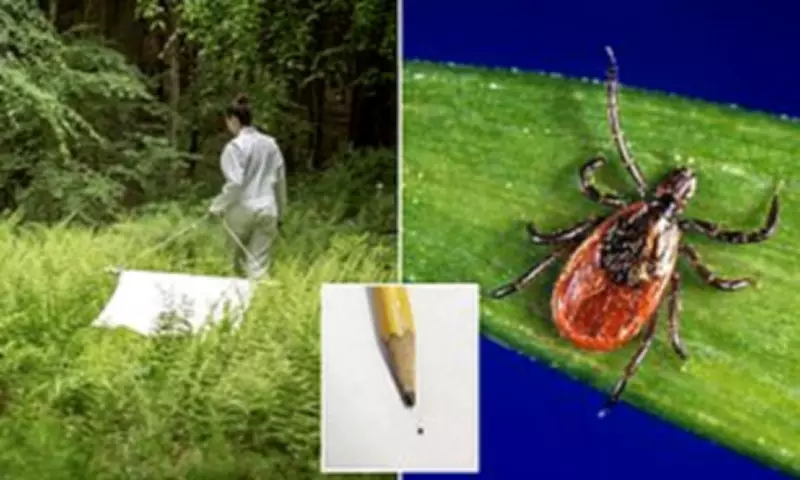
Babesia Parasite Emerges as Growing Threat in New York Tick Study
A comprehensive nine-year investigation into ticks and the diseases they carry in New York has uncovered a startling rise in the prevalence of a lesser-known blood parasite, Babesia microti, which may now pose a greater public health risk than the widely feared Lyme disease.
Unexpected Findings from Dutchess County Research
Scientists from the Cary Institute of Ecosystem Studies and SUNY Upstate Medical University initially set out to monitor Lyme disease in black-legged ticks across Dutchess County forest floors. However, their research, spanning from 2014 to 2022, revealed that Babesia microti—a parasite infecting red blood cells and causing babesiosis, a malaria-like illness—was far more common than anticipated.
By screening over 2,000 nymphal ticks, the life stage most likely to bite humans, for 16 different animal-borne pathogens, researchers discovered that while the Lyme disease bacterium, Borrelia burgdorferi, was present in every sampling location and year, Babesia microti stood out with alarming infection rates.

Rising Infection Rates and Human Health Implications
Babesia microti infected an average of 21 percent of nymphs throughout the study period, with a dramatic peak of 42 percent in 2015. This represents more than double the sub-10 percent rates documented in earlier surveys, aligning with a roughly nine percent annual increase in human babesiosis cases in the Northeast between 2015 and 2022.
While many infected individuals remain asymptomatic, others develop flu-like symptoms—including fever, chills, and muscle aches—within one to eight weeks of a tick bite. In severe cases, particularly among older adults and immunocompromised individuals, babesiosis can lead to severe anemia, organ failure, respiratory distress, and death, with mortality rates reaching 21 percent in vulnerable groups.
Coinfection Dynamics and Ecological Factors
Published in the journal Ecosphere, the study highlights a concerning trend: coinfection with Babesia microti and Borrelia burgdorferi occurred more frequently than expected by chance in seven of the nine study years. Previous research indicates that Lyme disease infection can facilitate the establishment of Babesia microti in tick populations, potentially exacerbating illness severity when both pathogens are present.
Researchers employed a meticulous methodology, dragging cloths through forests to collect nymphs and using sensitive RNA-based tests to screen for pathogens. They also monitored white-footed mice and eastern chipmunks—primary reservoirs for these diseases—through mark-release-recapture techniques to estimate host populations and tick feeding patterns.
Key findings include:
- The number of larval ticks feeding on mice was the strongest predictor of infected nymph density the following year, a critical measure of human disease risk.
- High mouse abundance paradoxically led to more infected nymphs, as increased overall feeding by larvae resulted in more mature ticks that bite humans.
- Chipmunks played an unexpectedly significant role in predicting Babesia microti infection prevalence, especially when their populations were high, suggesting disease surveillance should broaden beyond mice.
Additional Pathogens and Study Limitations
The study detected seven of the 16 screened pathogens, including Powassan virus—a rare but severe infection—and two Rickettsia species not typically associated with black-legged ticks, such as Rickettsia rickettsii, which causes Rocky Mountain spotted fever.
However, researchers caution that tick-borne illness may be underestimated, as their models consistently underpredicted infection rates during peak years, indicating risk can spike beyond current explanatory data. The study has limitations: it was conducted on a single property in New York, potentially limiting generalizability; climate data was excluded despite its known impact on tick survival; testing could not distinguish dangerous pathogen strains from harmless ones; and the role of other animals beyond mice and chipmunks remains unexplored.
This research underscores the evolving landscape of tick-borne diseases, urging public health officials and the public to recognize Babesia microti as a rising threat alongside Lyme disease.