

Animal Images on Menus Increase Vegetarian Choices by 22%
Restaurants could significantly boost vegetarian meal sales by adding photographs of living animals alongside meat-based dishes on their menus, according to new scientific research. A study conducted at a British university cafeteria found that visual reminders of meat's animal origins have a measurable impact on diners' food choices, increasing the odds of selecting vegetarian options by 22 percent.
The Meat Paradox Experiment
Researchers from the University of East Anglia designed an experiment to test whether reminding people of meat's animal origins would affect their willingness to consume meat products. The study, published in the Journal of Environmental Psychology, explored what scientists call the "meat paradox" – the psychological tension many people experience between valuing animal welfare and consuming meat.
"Many people who eat meat experience unease about the idea of causing suffering to animals," the researchers explained. "This tension reflects a form of cognitive dissonance arising from the conflict between valuing animal welfare and consuming meat. To lessen this tension, humans have developed strategies to increase the psychological and physical separation between meat production and meat consumption."

How the Study Worked
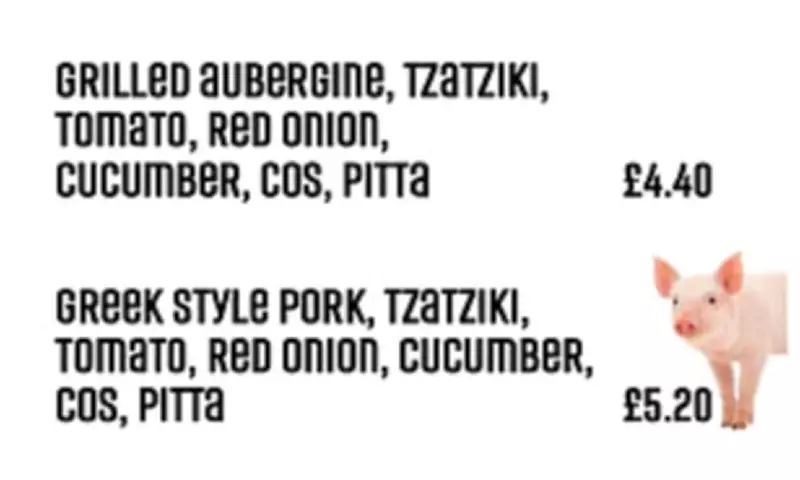
The research team implemented their experiment in a British university canteen over two distinct periods. During the first phase, diners viewed standard menus containing only dish descriptions. In the second phase, the same menus were modified to include images of living animals placed directly beside corresponding meat dishes.
The beef bolognese featured a photograph of a cow, the pork gyros displayed an image of a pig, and the sweet and sour chicken appeared alongside a picture of a chicken. Researchers then analyzed sales data to determine whether these visual cues influenced purchasing behavior.
Significant Behavioral Changes
The results revealed a substantial shift in dining preferences when animal images were present. The odds of choosing a vegetarian meal increased by 22 percent during the period when animal photographs accompanied meat dishes on the menu. This effect remained consistent across different types of meat, suggesting the intervention worked regardless of whether the dish contained beef, pork, or chicken.
"Visual reminders of meat's animal origins can influence actual food choices in a natural setting," the researchers stated. "By displaying images of live animals alongside meat-based dishes on university cafeteria menus, we observed a significant increase in the proportion of vegetarian meals sold. These findings demonstrate that linking meat to its animal source can produce measurable behavioral changes."
Psychological Mechanisms at Play
The researchers believe the intervention activates psychological mechanisms underlying the meat paradox, including empathy for animals and heightened moral or disgust responses. "The intervention effect appeared to be generally consistent across different types of meat," they explained, "suggesting that the psychological mechanisms are presumably activated by the recognition of any animal source, rather than being restricted to certain meats that are culturally or emotionally more salient."
Study Limitations and Practical Applications
The experts acknowledge several limitations to their research. The study only examined immediate food choices within a university canteen environment, leaving unanswered whether participants who selected vegetarian meals continued to avoid meat in subsequent dining situations. Additionally, the study population consisted primarily of young university students, who may be more emotionally engaged with environmental and animal welfare issues than older demographic groups.
Despite these limitations, the researchers highlight the practical potential of their findings for food service establishments. "Unlike interventions that seek to change behavior through information, monetary incentives, or restrictive policies, animal-image interventions are low-cost, scalable, and easy to implement," they noted.

Broader Context of Plant-Based Dining
This research emerges against a backdrop of mixed fortunes for the plant-based food industry. While some vegan restaurants and food companies have struggled with declining demand and financial pressures, this study suggests simple, low-cost interventions could potentially boost vegetarian meal sales without requiring significant investment or menu restructuring.
The University of East Anglia study provides compelling evidence that subtle visual cues can significantly influence consumer behavior in dining environments. By simply adding photographs of animals to menus, restaurants and cafeterias might encourage more sustainable and ethical food choices among their patrons.





