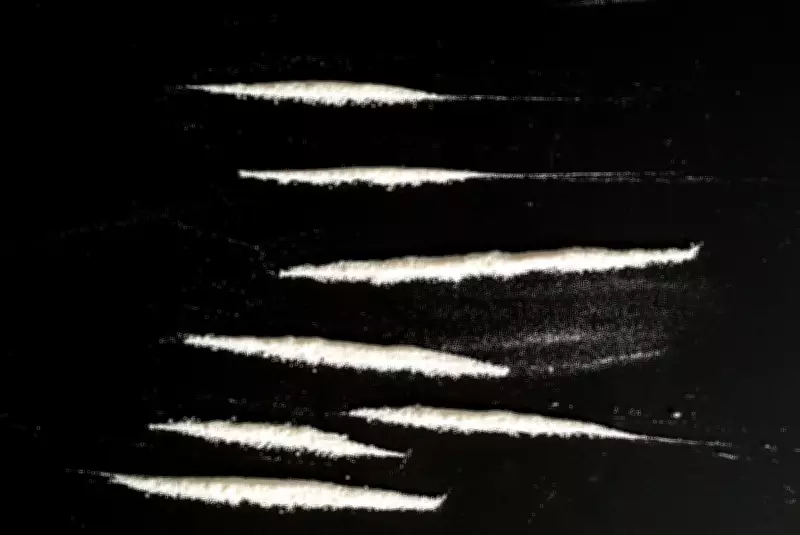
Ever since cocaine surged to popularity as a party drug in the early 1970s, its use has been deeply intertwined with a stereotypical American identity: brash, bombastic, and brazen. This stimulant became a symbol of capitalist excess, leaving a trail of destruction fueled by illegal trade and the US government's "war on drugs" policies.
Declining Cocaine Use in the United States
Now, however, the decades-long cocaine era in America may be quietly drawing to a close. In the 1980s, during the drug's heyday epitomized by characters like Tony "Scarface" Montana, 6.7% of Americans admitted to cocaine use in a single year. By 2024, that rate has fallen dramatically to just 1.5%, with only 4.3 million adults reporting use in the past year, down from 5.9 million in 2017.
Generational Shift Away from Cocaine
The decline is particularly pronounced among Gen Zers, aged 18 to 25, whose use has plummeted from 2.1 million in 2017 to 811,000 in 2024. Max Daly, former global drugs editor at Vice, notes that while cocaine production in Colombia has hit record levels, US consumption is dropping. "There's a presumption that cocaine use is booming in America like it is in many parts of the world," Daly says. "But the data shows a marked decline in the last decade."

For Gen Z, cocaine is often viewed as ethically dubious and associated with heavy drinking and nightlife culture, which many young adults are now rejecting. Joel Brierre, an entrepreneur who used to sell and use cocaine extensively in the 1990s and early 2000s, observes that "a Gen Z kid would die if they tried to party like Gen Xers or millennials." He now runs a legal psychedelic-retreat company and sees a growing awareness of health and mental wellness, with people realizing that "the juice ain't worth the squeeze" when it comes to cocaine's side effects.
Rising Alternatives and Health Concerns
Andrew Yockey, an assistant professor of public health at the University of Mississippi, points out that cocaine's perceived dangers have increased due to potential contamination with fentanyl, making even occasional use feel unpredictable. Simultaneously, the drug's aspirational cultural cachet has faded, with many young adults turning to alternatives like cannabis, prescription stimulants such as Adderall, or newer substances.
Ketamine, psychedelics, GHB, and lesser-known stimulants like 3-MMC are gaining popularity. A long-time raver in the US northeast, who preferred anonymity, explains: "Cocaine can double down on people's anxiety and depression. Ketamine, even when you're not doing it 'right', often leaves a more positive mark." She has advised friends to swap cocaine for ketamine, noting its addictive risks but perceived benefits.
Overdose Deaths and Market Changes
Despite declining use, overdose deaths involving cocaine have risen steeply, from 10,475 in 2016 to 22,174 in 2024, according to the Centers for Disease Control and Prevention. Experts attribute part of this increase to fentanyl contamination, though it remains rare, and to the rising potency of cocaine, with average purity of seized samples jumping from 54% in 2020 to 88% in 2023. Travis Wendel, a scholar of illegal drug markets, notes that overdose deaths often result from deliberate injection of "speedballs" (cocaine mixed with opioids), not accidental adulteration.
Ed Sisco, a research chemist at the National Institute of Standards and Technology, highlights that the US drug landscape is shifting to a "messier, mixed-drug environment," with novel substances emerging regularly. Yockey adds, "The US drug landscape is shifting from single-drug trends to a messier, mixed-drug environment – and cocaine just isn't the star any more."
Political and Global Implications
Politically, Donald Trump has recently cited cocaine trafficking to justify actions against Venezuela, while the US continues extrajudicial strikes on boats allegedly ferrying drugs from the Caribbean, despite lack of evidence. Yet, as America turns away from cocaine, Daly suggests this could signal a global downturn in use, even as supply remains abundant. "America turning away from cocaine could signal a downward shift in the use of the drug globally," he says, "at a time when it's never been so abundant."

In summary, the US is witnessing a significant cultural and generational shift away from cocaine, driven by health concerns, ethical considerations, and the rise of alternative drugs, even as overdose deaths and political rhetoric persist.