AI Uncovers Hidden Heart Disease Risks During Breast Cancer Screenings
Artificial intelligence technology is now capable of detecting early indicators of heart disease during routine breast cancer screenings, according to groundbreaking research. Scientists have successfully utilised AI algorithms to identify calcification in breast arteries, a substance strongly linked to increased risks of heart attack, stroke, and premature death.
Revolutionising Preventive Healthcare
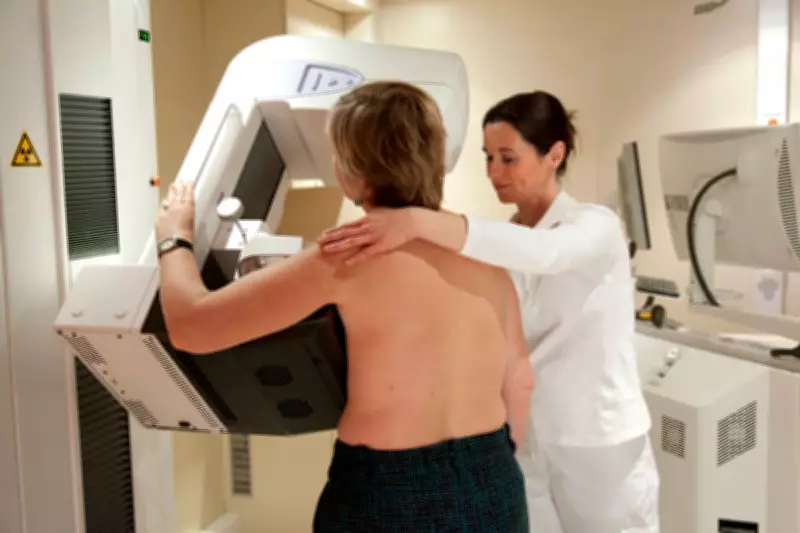
This innovative integration of artificial intelligence into existing screening programmes could potentially uncover thousands of undiagnosed heart conditions in women across the globe. The largest study of its kind demonstrates how mammograms, which women already attend for breast cancer detection, can simultaneously reveal calcium deposits that signal cardiovascular concerns.
Dr Hari Trivedi, the lead researcher from Emory University in Atlanta, emphasised the significance of this discovery: "Heart disease remains the leading cause of death in women worldwide, yet women consistently receive underdiagnosis and undertreatment compared to men. Our research demonstrates that mammograms can reveal calcium deposits in breast arteries that are directly linked to heart disease."

Comprehensive Study Methodology
The landmark study, published in the prestigious European Heart Journal, involved an extensive analysis of 123,762 women who had participated in breast screening programmes without any previously known heart conditions. Researchers employed sophisticated AI systems to meticulously examine mammogram images for calcium deposits within breast tissue arteries.
These calcium deposits are medically significant because they contribute to arterial hardening and substantially elevate the risk of cardiovascular events. The research team categorised calcification levels as severe, moderate, mild, or absent, then correlated these findings with subsequent data regarding serious heart disease occurrences among participants.
Striking Risk Correlation Findings
The study revealed compelling statistical relationships between calcification levels and cardiovascular risk. Women displaying mild calcification demonstrated approximately 30% higher likelihood of experiencing serious heart disease compared to those without any detectable calcium deposits.
More alarmingly, participants with moderate calcification showed more than 70% increased risk, while women with severe calcification faced two to three times greater probability of cardiovascular events. Dr Trivedi elaborated: "We discovered that the quantity of calcium visible in breast arteries directly correlates with a woman's risk of serious heart events, including heart attack, stroke, or heart failure. This correlation remained significant even among younger women under 50, who are typically considered low-risk, and persisted after accounting for other factors like diabetes and smoking."
Transformative Implications for Women's Health
This breakthrough carries profound implications for women's healthcare. Dr Trivedi explained: "For women, this means that routine mammograms could provide crucial information about heart health, potentially initiating important conversations with healthcare providers about preventive measures such as cholesterol testing or medication. For clinicians, it offers a practical method to identify women at cardiovascular risk who might otherwise be overlooked."
The researcher further suggested that policymakers should consider integrating this AI capability into existing mammography programmes, potentially reaching tens of millions of women annually without requiring additional infrastructure or screening appointments.
Expert Endorsement from Cardiovascular Specialists
Dr Sonya Babu-Narayan, clinical director at the British Heart Foundation and a consultant cardiologist, welcomed the findings: "Heart disease represents the world's biggest killer for both men and women. For many years, we have highlighted how women face disproportionate disadvantages in heart care awareness, diagnosis, and treatment. The reality remains that women often experience disadvantages throughout their cardiovascular care journeys."

She continued: "It's tremendously encouraging to witness how AI can leverage large-scale data from breast cancer screening to identify women at risk of future cardiovascular disease. This approach could potentially lead to earlier and more effective cardiovascular disease prevention, as screening programmes might not only detect breast cancer early but also flag individuals with highest cardiovascular risk."
Dr Babu-Narayan concluded optimistically: "As artificial intelligence continues to emerge as a powerful force in cardiovascular science, it presents a significant opportunity to improve prevention of heart attack, stroke, and heart failure among women worldwide."