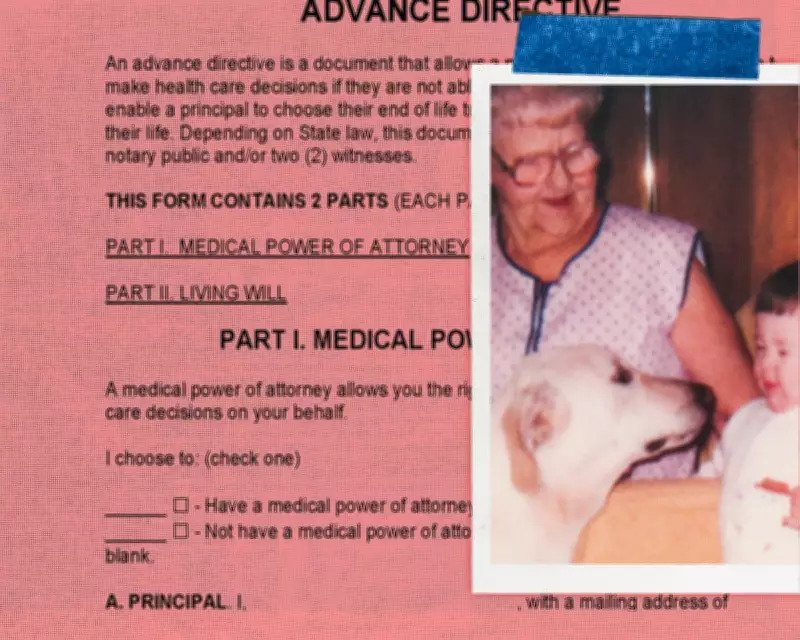
Advance Directives: A Vital Tool for End-of-Life Planning and Family Guidance
An advance directive is a set of instructions prepared for situations where an individual cannot communicate their own wishes, such as during a medical emergency. This document serves as a critical guide for loved ones and healthcare providers, ensuring that personal preferences are honored when decision-making capacity is lost.
The Personal Impact of Lacking an Advance Directive
My parents passed away three years apart, both in their 60s, without completed wills or advance directives. My sister and I, in our early 30s, were left shellshocked and forced to make decisions that determined the course of their final hours. While we trust we honored their wishes, doubt and distress continue to linger from that experience.
This situation is far from unique in the United States. A 2017 study revealed that fewer than one in three adults have a completed advance directive, such as a living will or do-not-resuscitate (DNR) order. Additionally, a 2018 national survey found only a third of participants had discussed their end-of-life desires with loved ones, despite these preferences often evolving over time.

Melanie Wilson, a death educator and founder of Life and Soul, notes, "We're so scared of death, yet it is the common factor of every human on this planet." Experts emphasize the need for a reframe in how society approaches these conversations.
Understanding Advance Directives in the US
Sarah Chavez, executive director of The Order of the Good Death, explains, "Discussing what we want done with our bodies in our deaths is really an act of love, not just for ourselves, but the people that support us. Of course, that can't erase the pain or the grief, but it can spare people so much unnecessary pain and confusion and conflict."
An advance directive typically includes several key documents:
- Healthcare Proxy Form: Designates someone to make care decisions when you're unable.
- Living Will: Provides guidance to your proxy on how to honor your wishes.
Depending on factors like age, health, values, beliefs, and local laws, directives may also cover preferences regarding specific lifesaving treatments, palliative care, hospice, and organ donation, according to Sandra D Glazier, an estate attorney in Michigan.
Who Needs an Advance Directive and How to Create One
Any adult aged 18 or older with the capacity to make medical decisions can complete an advance directive. Glazier advises, "Catastrophes happen to people of all ages," making it a prudent step for everyone.
These instruments are particularly beneficial for solo agers without default decision-makers like spouses or children, or individuals estranged from their legal next of kin. Chavez adds that those concerned relatives might not carry out their wishes, such as transgender individuals, can specify preferences for name, pronouns, and grooming in healthcare settings.
To create an advance directive, start by reflecting on your values, especially regarding quality versus quantity of life. Experts recommend beginning broadly and adding specific instructions as circumstances change. For example, a young, healthy person might opt for all lifesaving measures, while someone with a terminal illness may detail when to forgo life-extending treatments using forms like Physician Orders for Life-Sustaining Treatment (POLST).
Selecting a Healthcare Proxy and Overcoming Hurdles
Choosing a healthcare proxy requires finding someone who can and will honor your wishes. Kate DeBartolo of The Conversation Project suggests considering friends, neighbors, or church members if family members aren't suitable due to differing values or emotional strain. Avoid co-proxies to prevent conflicts, and ensure proxies are aware, willing, and fit to serve.
Hurdles to honoring advance directives include the lack of a secure national database for these documents, leading to difficulties in locating critical wishes during emergencies. The bipartisan Legacy Act aims to address this by proposing such a database. Additionally, state-level challenges exist, such as pregnancy exclusions in 30 states that invalidate directives for pregnant individuals, sometimes forcing them onto life-sustaining treatment against their wishes.

Jess Pezley of Compassion & Choices notes that Idaho's pregnancy exclusion was found unconstitutional, and efforts are underway to change similar laws in Michigan and Kansas. Despite these barriers, Pezley advises pregnant individuals to still codify their wishes.
Encouraging Conversations and Regular Reviews
To encourage others to create advance directives, use pop culture or current events as non-threatening entry points. For instance, a 2025 survey showed that 39% of HBO Max viewers who watched an end-of-life storyline on The Pitt were more likely to seek planning information. Some take bolder approaches, like withholding dessert until family members discuss their wishes.
Advance directives should be treated as living documents, reviewed regularly to reflect evolving values and life changes. Glazier recommends reviewing estate documentation every presidential election year, while The Conversation Project marks National Healthcare Decisions Day on April 16. During reviews, consider major life events like births or divorces, and confirm proxy suitability.
By fostering open conversations and proactive planning, advance directives can pave the way for a more death-literate future, reducing unnecessary distress for families during already challenging times.