

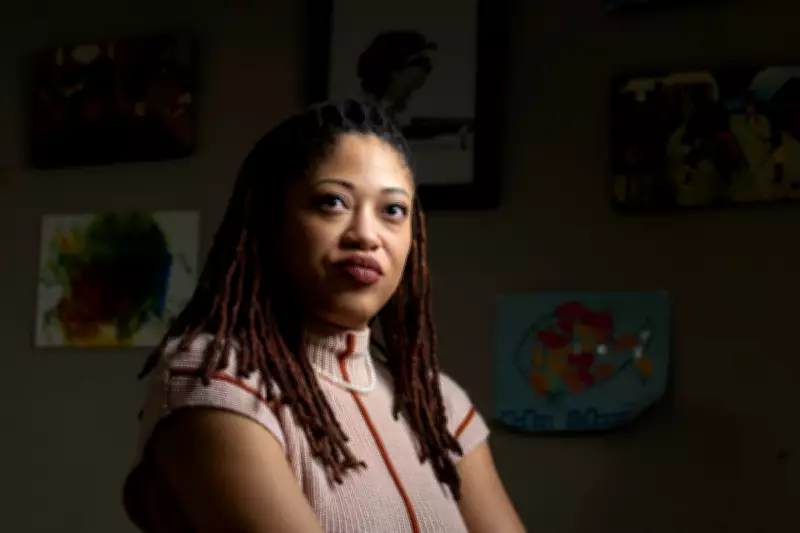
Entrepreneur Natasha Nelson always knew she was different. The 35-year-old from Stone Mountain, Georgia, struggled with establishing social norms throughout her life. She found small talk exceptionally difficult and could not comprehend why people engaged in routine activities like making the bed. Her journey to understanding culminated in 2023 when she received an autism diagnosis, shortly after her youngest daughter was also confirmed to be on the spectrum.
The Growing Trend of Adult Autism Recognition
Natasha Nelson now actively encourages others who suspect they might be autistic to pursue formal assessment. "If your life has always felt chaotic, if you never feel truly comfortable or like you are thriving, but merely surviving from one task to the next, what do you have to lose?" she questions. Her advocacy comes amid a significant surge in adults seeking clarity about their neurodiversity.
Understanding Autism Spectrum Disorder
Autism spectrum disorder encompasses a range of intellectual, language, and social challenges. Common characteristics include rigid adherence to routines, intense or obsessive interests, and difficulties with eye contact or interpreting nonverbal communication. While autism is typically identified during childhood, with the American Academy of Pediatrics recommending screening as early as 18 months, many individuals reach adulthood without recognition.

Why Adult Diagnoses Are Increasing
A landmark study published in 2024 in JAMA Network Open revealed a staggering 452 percent increase in autism diagnoses among adults aged 26 to 34 between 2011 and 2022. This dramatic rise is attributed to several factors. Many adults begin questioning their neurodiversity after their own children receive diagnoses or after encountering relatable content on social media platforms.
Furthermore, certain autistic traits can remain unnoticed until adulthood, when new social and professional demands expose underlying challenges. Many individuals develop sophisticated coping mechanisms, a process known as masking, where they consciously suppress autistic behaviors in public. "Adults have learned to compensate over time," explained Whitney Ence, a psychologist at the University of California San Francisco who specializes in working with autistic adults. "They may have internalized that certain behaviors are unacceptable in public, so they reserve them for private moments."
Common Traits and Diagnostic Complexity
Symptoms of autism manifest uniquely in each individual, and many traits, such as enjoying routines or delving deeply into specific topics, are common in the general population. However, for a formal autism diagnosis, these symptoms must cause significant impairment in daily functioning. "We are human beings; we generally like routines," said Dr. Arthur Westover, a psychiatrist specializing in autism at the University of Texas Southwestern Medical Center. "Simply deriving pleasure from structure does not indicate autism. The impact is more profound."
Russell Lehmann, a 34-year-old motivational speaker diagnosed over two decades ago, describes his routines as both a comfort and a burden. Consuming the same foods and purchasing identical groceries provides stability, but deviating from his strict daily gym regimen triggers overwhelming feelings of depression and failure. "It's a non-negotiable part of my existence," he shared. "My routine is an existential weight because every night I know I must repeat patterns I dislike simply to function."
The Diagnostic Process for Adults
Obtaining an autism diagnosis as an adult is often a complex, costly, and time-consuming endeavor. While online screening tools exist, autism is a nuanced condition requiring professional evaluation. Experts recommend initiating the process by consulting a primary care physician for a psychiatry referral.
A psychiatrist may conduct interviews with individuals who knew the patient during early childhood, such as family members or old friends, to establish that symptoms were present from a young age. Some cases are referred to psychologists who administer standardized diagnostic tests or rely on clinical judgment. Crucially, there is no definitive biological test for autism, such as a brain scan or blood analysis.

Barriers to Diagnosis and Self-Reflection
Dr. Westover highlights a critical shortage of specialists trained to diagnose and support autistic adults. This scarcity contributes to lengthy waitlists and high out-of-pocket expenses. Natasha Nelson's diagnostic journey spanned three years and cost over $3,000 personally.
Psychologist Whitney Ence advises individuals considering assessment to engage in careful self-reflection. "Ask yourself what is driving this pursuit," she suggests. "Do you need access to specific services or accommodations that require a formal diagnosis? Understanding your motivations is key, especially when facing potential delays."
The overlap of symptoms with other conditions like ADHD and OCD further complicates diagnosis, as difficulties with nonverbal cues or executive functions such as attention, memory, and problem-solving are not exclusive to autism. Despite these hurdles, the growing awareness and personal stories like Natasha Nelson's are empowering more adults to seek answers, fostering greater understanding and acceptance of neurodiversity in society.





