
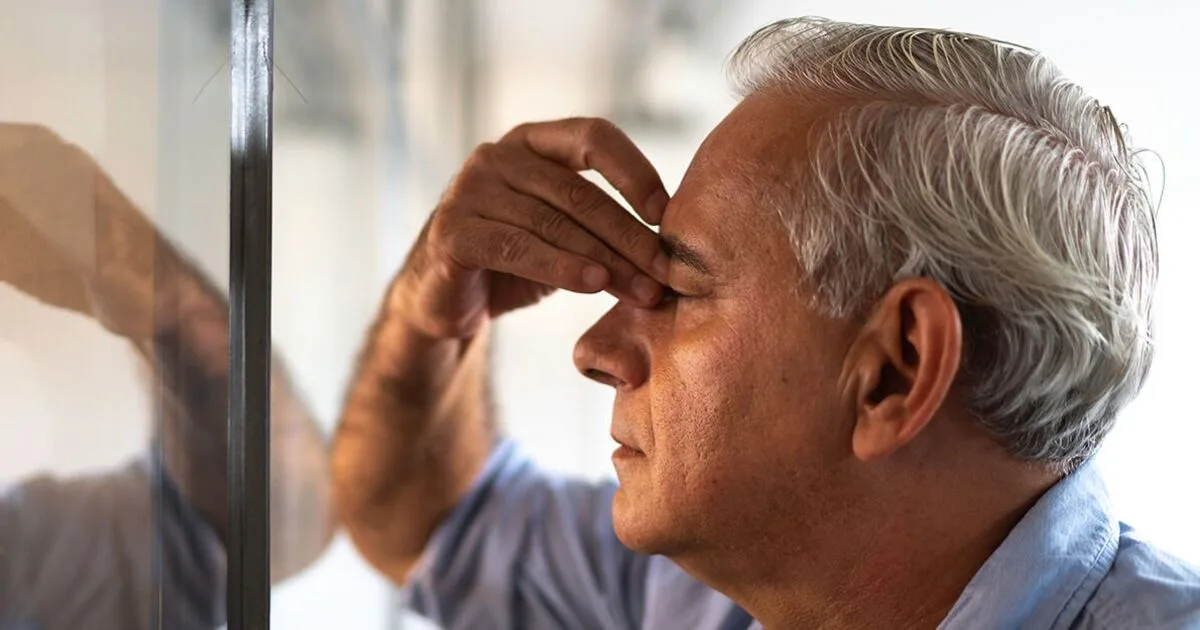
Deteriorating eyesight is often associated with ageing, but it can also be worsened by risk factors such as diabetes, obesity, and injury. Genetics also play a role. Research by Specsavers found that six in 10 UK adults report worsening eyesight in the last decade, with 40% experiencing eye discomfort or fatigue.
Despite 74% claiming confidence in recognising signs of declining vision, many have struggled with everyday tasks. Common issues include reading maps (20%), seeing bus numbers (19%), messaging the wrong person (12%), and misplacing items (10%).
Optometrist Dr Josie Forte, with 20 years at Specsavers, attributes these problems to presbyopia—a gradual loss of ability to focus on nearby objects. She warns that subtle vision changes often go unnoticed and can worsen without treatment.
Dr Forte lists 10 key signs that warrant an eye test: difficulty reading small print, needing brighter light for tasks, holding reading material at arm's length, headaches from close work, eyestrain, blurred vision at near distances, squinting, trouble seeing street signs, changes in colour perception, and reduced night vision. She advises seeing an optician if any symptoms appear, as solutions include glasses, contact lenses, or surgery.
Presbyopia typically becomes noticeable in the mid-40s and worsens until age 65. The Mayo Clinic urges immediate medical attention for sudden vision loss, flashes of light, or curtain-like shadows over vision.




