
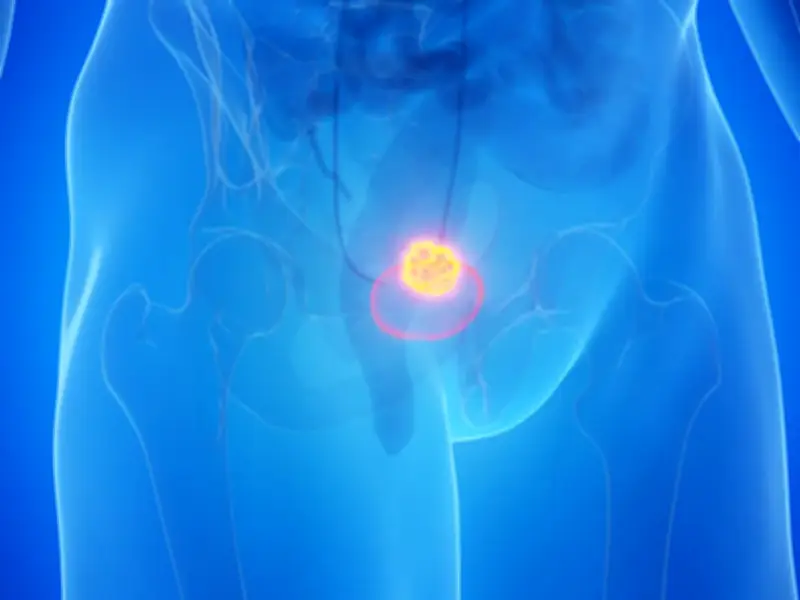
Thousands of people in England are facing potentially life-threatening delays for a bladder cancer check, despite a simple at-home test being available. NHS data published last week shows 26,000 people are still waiting for a cystoscopy, a procedure that involves inserting a tube and camera through the penis or urethra to examine the bladder.
Why the wait is dangerous
Bladder cancer kills 6,000 Britons a year, and delays in diagnosis can be fatal. The waiting list for the procedure has grown gradually from 11,000 in June 2009, peaking at 27,000 in May before falling slightly at the end of June. Almost 7,000 patients in the queue have been waiting beyond the NHS's six-week maximum standard.
Experts behind the Galeas urine test argue the uncomfortable cystoscopy is now unnecessary, as the at-home test is more accurate and pain-free. However, only a handful of NHS areas have rolled it out so far, as the NHS pilots whether it is reliable enough.
The Galeas test breakthrough
Jeff Bousfield, chief executive officer of Nonacus, which developed the Galeas test, said: “For every 14 people referred with symptoms in the UK, only one has bladder cancer. That one person can be stuck waiting months for diagnosis behind the other 13, while their cancer has the opportunity to grow and spread.
“We developed the Galeas test to change that. It's a simple at-home urine test enabling the NHS to reduce or eliminate waiting lists, so people with cancer can be diagnosed and treated faster.”
The test checks for 23 genes most commonly associated with bladder cancer and can be done when someone first visits their GP, rather than requiring a separate hospital appointment. Early data suggests it may be 50% faster at diagnosing the disease than a cystoscopy.
Where it's available
NHS trust areas currently offering the Galeas test include University Hospitals of Leicester, University Hospitals North Midlands, University Hospitals Coventry and Warwickshire, as well as the Hywel Dda Health Board and Aneurin Bevan Health Board in Wales. NHS England had said at least 16 more areas were supposed to be offering the test this year.
Patients are referred for bladder cancer testing when they have haematuria – blood in their urine. Women are less likely to have bladder cancer, but if they do get it, the risk of death is 10% higher than in men. The discomfort of cystoscopy has led some patients to decline the procedure.
Jeff Bousfield added: "Bladder cancer can be treated very effectively when caught early. More than 75% of people diagnosed at stage 1 survive for at least five years, but by stage 4, that plummets to just over 10%. That's why waiting for a diagnosis matters."




