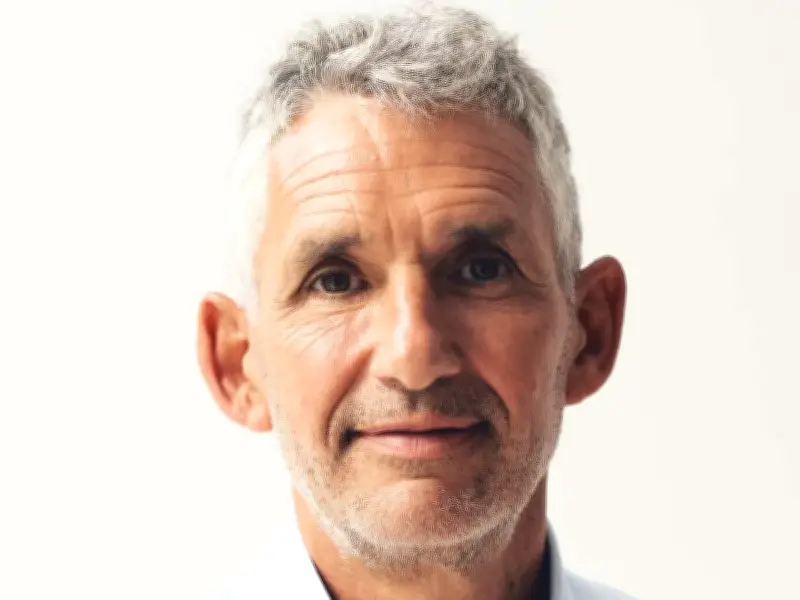
Gut health and diet expert Professor Tim Spector has debunked 'gut hacks' trending across social media after Matt Damon attributed his weight loss for The Odyssey to a three-month gut cleanse. In an interview with Andy Cohen, Matt Damon said his strict exercise regime to drop the pounds and embody Odysseus started with a 'gut cleanse' - which included cutting out gluten, sugar, caffeine, dairy and alcohol.
And health influencers across social media are encouraging people who experience bloating, fatigue and digestive issues to try 'gut hacks' to heal themselves. But expert Dr Tim Spector is speaking out against misinformation, saying the three 'gut hacks' are nonsense, and that healing your microbiome is actually a simple science.
Parasitic cleanse
The parasitic cleanse trend shows influencers recommending specific diets and supplements to rid people of 'parasites' living in their gut. "There's no good evidence that people need to routinely 'cleanse' themselves of parasites to improve their gut health," said Dr Tim Spector, the scientific co-founder of ZOE - a gut health science company.
"In fact, these cleanses can sometimes do more harm than good, particularly when they involve harsh laxatives or unproven products. If you have a parasitic infection, that's a medical issue that should be diagnosed with a stool test and treated with specific medication by a doctor, not with a herbal kit bought online.
"Genuine parasitic infections are uncommon in the UK, and the alarming images people share after a cleanse are almost certainly mucus and shed intestinal lining rather than parasites."For most people, the best way to support the gut microbiome is much less dramatic: eat a diverse range of plant foods and plenty of fibre, and cut back on ultra-processed foods."
Colonic irrigation
Videos circulating on social media show the 'amazing' results of colonic irrigation - where people flush their colon with water to remove waste. "Your gut doesn't need to be flushed out to be healthy. The colon is remarkably good at doing its job without an expensive cleanse," Tim said.
"There's also no good evidence that colonic irrigation improves the health of your gut microbiome, and it can carry risks including dehydration, infection and damage to the bowel. Our PREDICT research has shown that the gut microbiome is closely linked to many aspects of health, and that what you feed your microbes matters far more than anything you flush through them."Washing out your colon is also likely to disturb the community of microbes living there, which is the very thing you are trying to look after. Save your money and spend it on food that feeds them instead."
Drinking hot water in morning
A new trend doing the rounds shows people shocked by how good they feel after drinking hot water in the morning - especially their digestion. "Good hydration is important for digestion and for keeping your gut functioning normally," Tim said. "When you don't drink enough, things can slow down and some people may notice more bloating or digestive discomfort.
"So starting the day with a glass of water is a perfectly good habit, but the temperature isn't what makes the difference, and there's no evidence that hot water “cleanses” or detoxes anything. Your liver and kidneys do that job for you, free of charge."However, Tim does say that an interesting link between coffee and the gut microbiome has been observed.
"Coffee is a rich source of polyphenols and other compounds that can interact with your gut microbes. My advice is to start your day with a glass of water, at whatever temperature you prefer, and if you enjoy coffee, have that too," Tim said.
How to really 'heal your gut'
Tim says the best ways to support your gut are surprisingly simple. "Aim for a wide variety of plant foods, ideally around 30 different plants a week," Tim said. "That means plenty of vegetables, fruit, beans, whole grains, nuts and seeds, alongside fermented foods such as live yoghurt, kefir and sauerkraut."I try to have a few spoonfuls of something fermented with every meal," he said. The doctor also advises cutting back on ultra-processed foods. Your microbiome is responsive to what you eat, so you don't need to flush it out, cleanse it or follow an elaborate protocol.
"Give your microbes a diverse diet rich in plants and fibre, and they'll generally do a much better job of looking after you."