A pioneering Blue Mind project in Plymouth uses time by the sea to support people with mental illness, and one participant says the ocean has done more for his mental health than any medication ever has.
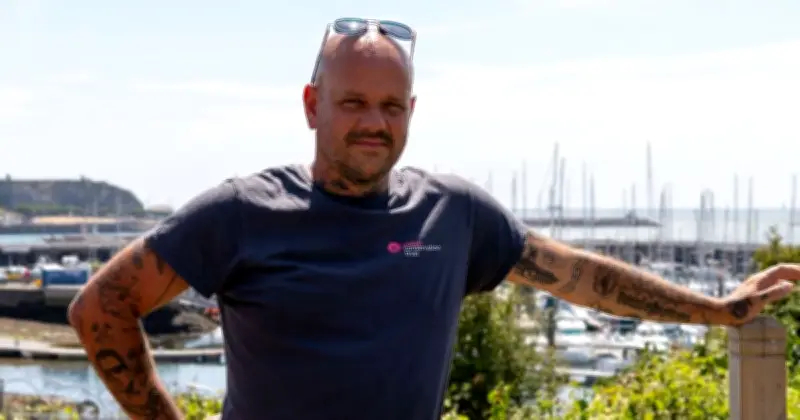
Dan, 42, who lives with borderline personality disorder, severe OCD and ADHD, took part in the Blue Mind Hub social prescribing programme run by the Ocean Conservation Trust (OCT). He was referred after his GP connected him with a social prescriber, a healthcare worker who helps patients find non-medical community support.
A Lifelong Struggle Turned Around by the Sea
Dan said: "I've pretty much been on medications my whole life, but the sea does more for my mental health than any pill ever has." He stressed that he would never tell anyone to substitute medicine for the ocean, but added: "There is enormous value in finding something that makes you feel connected to the world, rather than trapped inside your own head. For me, that turned out to be the sea."
The programme invites people in need of support to spend one morning or afternoon per week in blue spaces. Dan took part in two eight-week programmes called Step into Snorkelling and Blue Views, which included coastal walks, rock pooling, snorkelling, and virtual diving experiences using a VR headset.
Activities and Research Behind the Project
He went on a boat trip where he saw seals, raised lobster pots and collected water samples that were later examined under a microscope. He also learned about conservation and biodiversity.
The project is built around the Blue Mind Theory popularised by the late marine biologist Wallace J. Nichols, which suggests that being in, on or around water can have restorative benefits for mental health. Research has found that sensory elements such as the sound of waves can reduce levels of the stress hormone cortisol, and the colour blue has been linked to emotional calmness.
A 2023 study led by the University of Stirling found people who visited lochs and rivers over three months recorded improvements in their mental health. Research by the University of Exeter in 2019 found that living near England's coastline was linked with better mental health for those in the lowest earning households.
Impact and Future Expansion
Freyja Thomson-Alberts, ocean engagement manager at the OCT, said the programmes are delivered in groups of up to 10 people, including veterans and people living with early onset dementia. She noted that other blue prescription services in the UK primarily focus on being in the water, but the Plymouth programme is about being near the coastline.
Feedback from 34 participants who completed eight-week Blue Mind Hub programmes in 2025 showed 79% reported a significant positive impact on their wellbeing. The OCT is now hoping to expand the project to hubs in different parts of the country, including Falmouth.
Dan now uses the ocean "as a medicine as much as a hobby" and volunteers in the OCT's garden, which overlooks the sea. He said the real impact came after the programme: "I find myself going to the beach and getting in the sea a lot more, and I'm constantly on the lookout for fish and crabs and jellyfish, constantly thinking about conservation."