Robert Goodman, Pioneering Child Psychiatrist and Creator of Global Mental Health Tools, Dies at 72
Robert Goodman, a distinguished child psychiatrist renowned for developing simple yet powerful questionnaires to assess the mental health of children and young people, has died at the age of 72. His work, including the Strengths and Difficulties Questionnaire (SDQ) and the Development and Well-Being Assessment (DAWBA), has become foundational in epidemiological studies and clinical practices worldwide.
A Catalyst for Change in Mental Health Services
In the early 1990s, a series of tragic incidents, such as a man with poorly controlled schizophrenia being mauled at London Zoo, highlighted critical gaps in mental health services. This spurred a demand for better statistics, leading the Office for National Statistics to conduct its first survey on children's mental health in 1999. Goodman was enlisted to guide the team, leveraging his expertise in child psychiatry and his innovative assessment tools.
Initially, Goodman was hesitant about updating the "Rutter scales," screening questionnaires created by his mentor Michael Rutter. However, he quickly became engrossed in the challenge of measuring behaviour, ultimately transforming them into the SDQ. This one-page questionnaire was designed to be engaging, focusing not only on problems but also on a child's strengths and the impact of issues on their daily life.

Innovations in Diagnosis and Global Impact
Recognising the strain on psychiatric services, Goodman developed the DAWBA in 1996, a comprehensive package of interviews and questionnaires that uses computer algorithms to predict diagnoses. Despite the NHS declining to fund it, he invested over £100,000 of his own money to establish youthinmind.com, making both tools accessible online alongside a directory of mental health services.
The SDQ and DAWBA have been instrumental in major studies, such as the ONS's 1999 survey of 10,500 children, which revealed that 10% of children aged five to 15 had a mental disorder—a finding Goodman described as scandalous. These tools have since been adopted globally, with the SDQ translated into 89 languages, including Zulu and Norwegian, and used in more than 4,000 research studies.
A Life of Dedication and Altruism
Born in Edgware, north London, Goodman was a shy and bookish child who developed early interests in ecology and green principles. He excelled academically, winning a scholarship to Cambridge to study medicine and later training in Oxford. His career at the Maudsley hospital in south London, under Rutter's mentorship, solidified his focus on child psychiatry, where he specialised in conditions like hemiplegia and co-founded the charity HemiHelp.
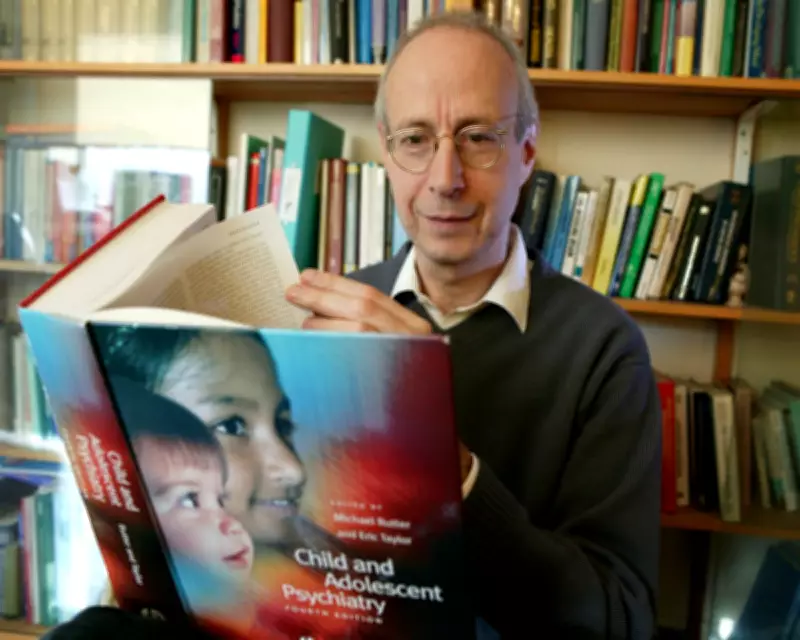
Standing at 6ft 6in, Goodman humorously referred to himself and colleague Stephen Scott as "13 foot of terror," though Scott noted his gentle nature. Together, they authored Child and Adolescent Psychiatry in 1997, with Goodman negotiating to make previous editions free to download, reflecting his Buddhist beliefs and altruistic spirit.
Beyond his tools, Goodman published over 140 academic papers on topics from autism to anxiety and was known for his engaging lectures, sometimes appearing with dyed hair to encourage students to question authority. He retired at 65 and was awarded the Michael Rutter medal for lifetime achievement in 2022.
Personal Life and Legacy
Goodman married psychotherapist Susan Lightbody in 1981, and they had three children. The family lived in Dulwich, where he stood as a Green candidate in local elections. He meditated daily in an old air-raid shelter in his garden and attended Buddhist retreats in France. In his later years, he developed dementia.
He is survived by his wife, children, four grandchildren, and his sister Alison. Robert Goodman's legacy endures through his transformative contributions to child mental health, ensuring his tools continue to aid professionals and young people across the globe.