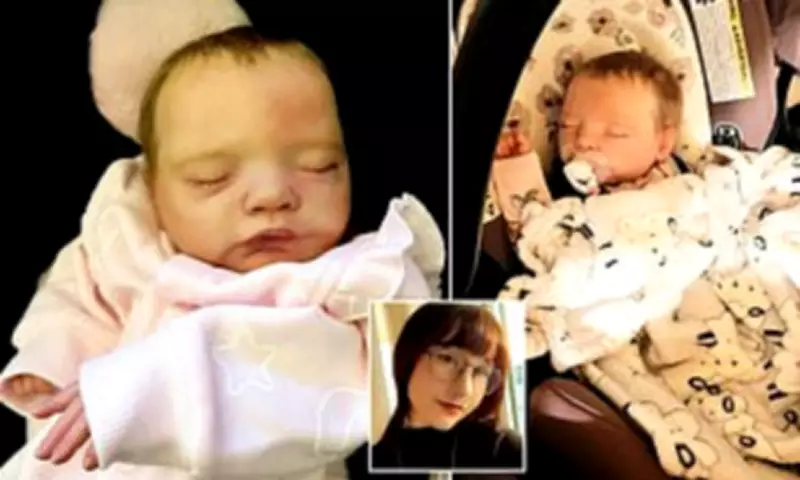
When Evelyn Roth suffered a devastating miscarriage at six months pregnant in March 2025, she feared the emotional pain might overwhelm her forever. However, a therapeutic suggestion from her counsellor led her to an unconventional source of comfort: lifelike Reborn dolls. Ms Roth, aged 19, and her boyfriend Logan, also 19, have since found solace in parenting two of these hyper-realistic dolls, each priced at $430 (£315), by engaging in activities like dressing them, pushing them in a pram, and even taking them out for dinner.
A Therapist's Recommendation
Ms Roth explained that her therapist recommended Reborn dolls as a coping mechanism after the miscarriage, noting they have helped many women navigate similar grief. "I bought a doll second-hand for $430, and it helped so much. It's probably the best decision I've ever made for myself," she said. The dolls, meticulously hand-painted to mimic a newborn's delicate complexion and weighted to match a real baby's heft of around 2.5kg, provide a tangible sense of calm. Holding them, Ms Roth described, feels akin to cradling a real infant, alleviating feelings of missing out on what might have been.
Public Reactions and Personal Connection
Hailing from Wisconsin, USA, Ms Roth shared that the dolls' realism often stuns people when she takes them out in public. "A lot of people think the dolls are real when I take them out in the stroller. When I explain, some people think it's weird, which is completely fair, but others are fascinated by it," she remarked. Many are drawn to hold the dolls, which she views as works of art. Her interest in Reborn dolls began in school, captivated by their authenticity, though the high retail prices—up to $2,000 (£1,460)—initially made ownership seem unattainable. Fortunately, a thriving second-hand market allowed her to acquire one, a move she deems transformative.

Doll Parenting and Emotional Boundaries
Ms Roth's primary doll is named Anadaya, and she keeps a second at her boyfriend's house, playfully changing its name and gender due to her indecisiveness. She previously owned a third doll but gifted it to a friend who also experienced a miscarriage, expressing deep empathy. To enhance the experience, she has amassed a wardrobe of about 50 outfits for the dolls, spending roughly $150 (£110) on second-hand clothes, and purchased a magnetic dummy. However, she draws a line at items like nappies and formula, believing those should be reserved for real children. "I get a lot of joy from dressing my dolls in cute outfits. It makes me feel like I'm not missing out on what could have been as much," she said.
Shared Grief and Future Plans
Her boyfriend Logan also finds comfort in the dolls, joining her on outings to dinner or walks. "He misses the opportunities we had when I was pregnant too, and he's trying to cope in the same way I am," Ms Roth noted. Despite the benefits, she cautioned against forming an unhealthy attachment, emphasising that the dolls are tools for healing, not replacements for a child. She holds them only when feeling the ache of loss, not constantly. Looking ahead, Ms Roth anticipates a time when she won't need the dolls anymore, planning to pass them on to another grieving parent. "I think once I have real children, I will probably sell my dolls," she concluded, recommending Reborn dolls for others in similar trauma, provided they are at a stable point in their healing to avoid dependency.