Psychologist's Personal Burnout Journey Reveals Widespread Workplace Crisis
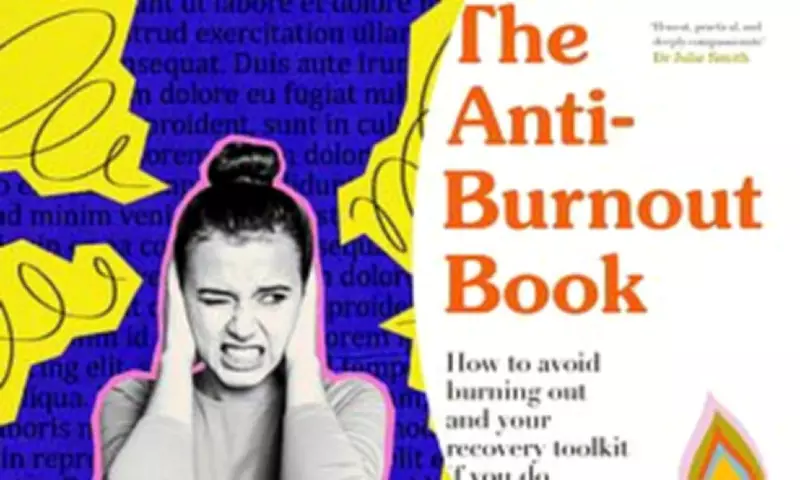
Dr Emma Hepburn, a clinical psychologist, was employed at a health organisation, focusing on the mental wellbeing of its staff, when she realised she herself was suffering from burnout. In her newly published book, she describes the tipping point: during a rare weekend getaway with friends, she felt unwell, retreated to a room alone, and began shaking violently before collapsing into bed, utterly exhausted.
Connecting the Symptoms of Burnout
Hepburn started to piece together the symptoms she had been accumulating for months. These included hair loss, an eye twitch, and a daily 'shutter' effect that slowed and slurred her speech. A visit to her doctor confirmed the diagnosis: burnout, resulting from excessive work over prolonged periods with insufficient rest.
The term 'burnout' was first introduced as a clinical concept in the 1970s. Today, it affects many individuals, with a Deloitte survey indicating that 77% of respondents have experienced it in their jobs. Additionally, a 2022 report found that 66% of working parents in the United States met the criteria for burnout. The World Health Organisation (WHO) defines burnout as specifically work-related, but Hepburn supports a broader interpretation that includes unpaid caregiving responsibilities and other life stresses.

The Zombie-Like Experience of Burnout
During her own burnout episode, Hepburn writes that she felt like a zombie. Her self-worth was severely diminished, and she could no longer find joy in activities she once loved. Simple tasks, such as preparing dinner for her children or responding to emails, felt like wading through thick sludge.
Her book incorporates questionnaires to help readers identify potential burnout signs. It also features illustrations, which may assist those too fatigued to engage with extensive text. Hepburn uses a doodle to explain that each person has a 'capacity cup' that can overflow from even minor commitments, like doing a favour or taking on an extra work project.
Stress as Cycling Up and Down Hills
Hepburn explores the analogy of stress being akin to cycling up and down a hill. When we push ourselves hard, such as working late nights on a laptop, we are cycling uphill. However, these efforts must be balanced with downhill periods of rest. She does not oppose stress entirely but warns that sustained high adrenaline levels are unsustainable for both body and mind.
Many people drift toward burnout, she argues, because they pursue 'the mythical THERE'—a belief that achieving a promotion or pay rise will bring lasting contentment. Hepburn's experience has shown that each time this goal is reached, a new 'THERE' appears on the horizon, perpetuating the cycle.
Strategies to Prevent Burnout
Confronting this reality is crucial for avoiding burnout, along with simpler actions: taking regular breaks, maintaining a healthy diet, establishing a consistent sleep routine, and redefining one's relationship with work so it is not the sole source of meaning in life. The Anti-Burnout Book is now available, offering insights and tools for those struggling with similar issues.