The Dark Side of Hustle Culture: When Productivity Becomes a Trap
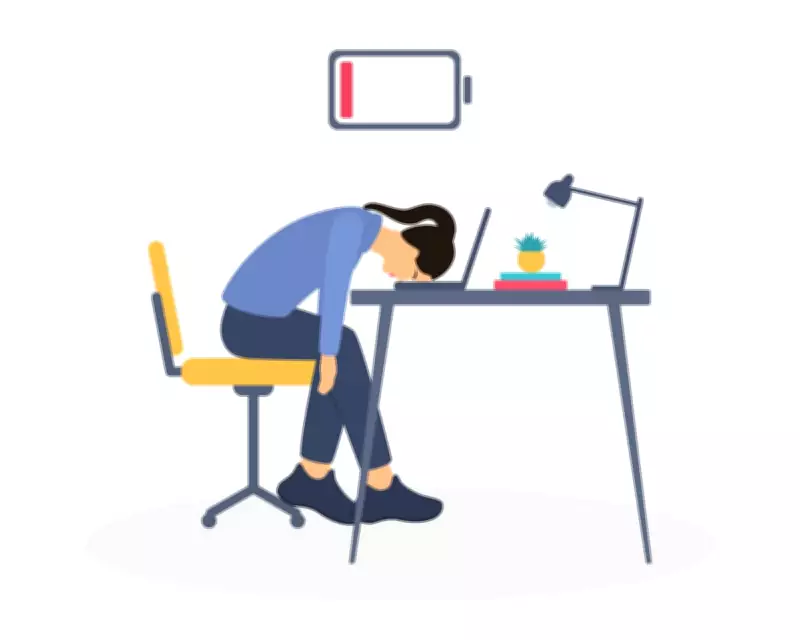
In today's fast-paced business world, endurance, grit, and 'pushing through' are often celebrated as keys to success. However, a growing number of professionals are finding that this relentless drive is leading to severe burnout and mental health struggles. Psychologists Gaynor Parkin and Dave Winsborough argue that hustle culture is destroying clients not because they fail at productivity, but because they succeed at it too well.
Case Studies: The High Cost of High Output
Consider Ariana, a high-profile professional who races through her days, squeezing in work calls and exercise during her baby's naps, only to restart the cycle upon waking. Despite exhaustion, she holds herself to internal standards of high output and pace. Similarly, Phil, a senior manager in a national health service, faced a health scare but struggled to prioritise rehabilitation amid back-to-back meetings and operational duties. Murray experienced debilitating panic attacks while juggling a complex workload, blended family responsibilities, and care for an ageing parent.
All three individuals described a pattern of strong internal drive to be productive, combined with daily habits of doing everything at pace. For Ariana, there was little slack in the system, while Phil and Murray had some flexibility, but psychologically, solutions felt unavailable. This phenomenon is not isolated; many people recognise burnout in others but fail to see it in themselves, offering wise counsel like 'slow down' or 'take a break' that evaporates when applied to their own lives.

The Psychological Trap of Productivity
The psychological trap lies in the belief that one's business is necessary, virtuous, and inescapable. Clients and many individuals have absorbed powerful messages equating productivity with worth, especially in business where endurance and grit are rewarded. Hustle culture often ignores or glamorises exhaustion, making it a default operating system that ceases to be a choice when everyone participates.
Creating Alternatives to Hustle Culture
How can we break free from this cycle? One initial shift involves reframing a productivity mindset as an over-used strength. Strengths like drive, reliability, high standards, and responsiveness can lead to success, but when applied rigidly without counterbalance, they dominate. For Ariana, Murray, and Phil, reframing began with curiosity: when is this strength helpful, and what alternatives exist? Injecting rest, restoration, reflection, play, or 'idleness' into daily routines can offer relief.
Another crucial shift is loosening rigid beliefs, moving away from black-and-white rules such as 'more is better' or 'rest is earned' towards flexible assumptions like 'recovery has value in its own right' or 'a slower pace can be legitimate, not lazy'. This flexibility matters because if rest is justified solely to boost productivity, true rest never occurs.
A third shift involves experimentation with small changes. Ariana tested stopping 10 minutes earlier or taking a lunch break, Murray tried finishing work an hour earlier to create a buffer, and Phil delegated tasks to engage in rehab, embracing the belief that 'it is reasonable for others to step up'. These steps are not about radical life redesign but freeing space in a system that has become too tightly wound.
Embracing Imperfection and Liberation
For those seeking deeper change, Oliver Burkeman's book Four Thousand Weeks offers insight. Drawing on the premise that there will always be more to do than can fit into a lifetime, Burkeman advises: 'Let your impossible standards crash to the ground. Then pick a few meaningful tasks from the rubble and get started on them today.' This act can be liberating, teaching that in a culture obsessed with doing, learning how to be is radical.
The deeper lesson for clients is simple yet challenging: play and recovery are not contingent on finishing an endless to-do list. It will never be finished, and that's acceptable. By valuing rest and flexibility, individuals can combat the harmful effects of hustle culture and foster healthier work-life balances.